free affirmations Emotional Intelligence

Present Tense Affirmations

I am aware of my emotions
I am alert to the feelings of those around me
I pick up on mood changes in myself and in others
I can reason with my emotions
My emotions are under control
I manage my feelings
Understanding emotions comes easily to me
I regulate the emotions of my peers
I respond appropriately to my emotions
I accurately interpret the emotions of others

Future Tense Affirmations

I will focus more on my feelings
I will acknowledge my emotions
I will react to the emotions of those around me
I am becoming confident in my emotional perception
I will intelligently evaluate others’ sentiments
I will be seen as emotionally aware
My emotions will be manageable
My ability to get along with others will improve
I will asses the emotions of my peers
I will be able to build stronger relationships with others

Natural Affirmations

I am naturally attentive to emotions
Emotional intelligence comes second-nature to me
I am tuned-in to the feelings of others
I simply manage my emotions
I just naturally know my emotional boundaries
I instinctively read my peers’ emotions
Others see me as emotionally aware
I am tuned-in to my emotional well-being
I have full confidence in my emotional judgment
Emotions are easy to dissect

support group http://www.bipolar4lifesupport.co

Posted in Affirmations | Leave a comment

free affirmations Emotional health

Present Tense Affirmations

I am happy with life
I am resistant to damaging influence
I am contempt with my life
I enjoy whatever life throws at me
I am able to build strong relationships
I recover from unsettling setbacks
I am easygoing
I handle stressful situations with poise
I am open to guidance from my peers
I am in control of my emotions

Future Tense Affirmations

I will be more emotionally stable
I will look on the bright side of things
I will be happy with what I have
I am becoming more emotionally healthy
I will be able to maintain healthy relationships
I will feel good about myself
I will see myself in a better light
I will appreciate life for all it’s worth
I will be more open to change
I will live life to the fullest

Natural Affirmations

I am naturally happy
I have high levels of confidence
I trust my abilities to adapt to change
Others see me as emotionally steady
My self-esteem is high
I am naturally laid-back
I can recover from stress
Change is easy to adjust to
I am self-disciplined
I appreciate all that life has to offer

support group http://www.bipolar4lifesupport.co

Posted in Affirmations | Leave a comment

Complimentary Therapies

Complementary therapies are a diverse range of health-related treatments which are not part of mainstream medical care. Generally speaking they are thought to increase well-being, aid relaxation and promote good mental health in all. They are also known as alternative, natural, non-conventional and holistic and can also be known as medicine, e.g complementary medicine.
•Rethink Mental Illness believes that complementary therapies can be beneficial to people experiencing mental health problems when used in addition to medical treatment.
•The effectiveness of complementary therapies is not well researched.
•There is evidence that St Johns Wort can be effective in treating depression.
•The National Institute of Health and Clinical Excellence (NICE) has recommended the use of mindfulness based CBT (meditation) for depression.
•We look at a small selection of complementary therapies which are popular for the treatment of mental health problems but there are many more available.

These pages are created by Rethink Mental Illness’ Advice and Information Service in accordance with the Information Standard. Last reviewed in January 2013. Next review January 2015.

Why use complementary therapy for mental illness?

It is widely thought that complementary therapies can provide a sense of relaxation and increased well being which can contribute positively to a person’s mental health.

Furthermore, many complementary therapies involve a more holistic approach to treating people which means to treat the whole person and consider physical, psychological and spiritual needs rather than focussing on the symptoms of the illness. Many people with mental illness find this beneficial and Rethink Mental Illness supports a holistic approach to treating patients.

We will look at some of the most popular and established complementary therapies, in alphabetical order, and consider their usefulness for some mental illness. However, please note that this is not an exhaustive list and there may be other therapies available which work for you.

TYPES

Acupuncture

Acupuncture is part of what is often referred to as Traditional Chinese Medicine (TCM). Acupuncturists believe that illness occurs when the body’s “qi”, or “vital energy”, cannot flow freely. By inserting ultra-fine sterile needles into specific acupuncture points, an acupuncturist seeks to re-establish the free flow of “qi” to restore balance and trigger the body’s natural healing response

A review was carried out into the use of acupuncture to treat depression. Two of the trials reviewed found that acupuncture could provide an added benefit to medication, when compared to medication alone. Overall, there was not enough evidence for the review to recommend acupuncture as a treatment for depression.

A review was also carried out into the use of acupuncture for people with schizophrenia. Some of the studies did suggest that acupuncture combined with antipsychotic medication may be more effective than antipsychotics alone. However, the research reviewed was uncertain so there was not enough evidence for the review to recommend acupuncture for people with schizophrenia.

Aromatherapy

Aromatherapy is the use of aromatic (pleasant-smelling) essential oils which are extracted from plants such as flowers, leaves, roots or bark. It is thought that each oil has a different therapeutic property which can be used to improve health and well being. Certain oils are historically linked to symptom relief for a wide variety of mental and emotional symptoms such as depression, anxiety and insomnia. Aromatherapy oils are absorbed through massages, bathing or direct inhalation.

A small study looked at a group of people with anxiety and/or depression who received massages with oil that contained essential oils associated with symptoms such as anxiety and depression. This group was compared with another group of people with anxiety and/or depression who received massages with oil that did not contain these essential oils. The results suggested that the group that received the essential oils showed more improvement in their anxiety and/or depression symptoms than the other group.

There is very little research into the effects that aromatherapy can have on conditions such as schizophrenia.

Homeopathy

Homeopathy is based on the theory that an illness can be treated by using tiny amounts of a substance which causes similar symptoms to it. Homeopathy is also based on the principles of treating the whole person and a consultation would involve a thorough assessment of a person’s lifestyle, personality and physical health. A treatment is then selected based on all the information gathered and is tailored for the individual

A recent NHS review of evidence concluded there was still not enough evidence to recommend the use in depression.

Massage

Massage is a form of structured and pressurised touch, or kneading, of the body which is generally used to relax and to relieve muscle pain. There are many different types of massage ranging from “Swedish massage” which involves light strokes aiming to relax the muscles in order to relieve tension to “Shiatsu” which, like acupuncture, believes that putting pressure on certain points will help to balance a person’s energy. Often massage is combined with aromatherapy which is thought to enhance the well being effects of the treatment.

Spiritual/Energy Healing

People who practice energy healing believe that in addition to a physical body we also have an energy body. This is made up of individual chakras which are responsible for different aspects of our emotional and physical well being. When there is emotional or physical disharmony in a person these chakras become blocked or unbalanced. It is believed the practitioner acts as a channel and harnesses universal healing energy to unblock and balance the chakras. They do this by placing their hands above the body at certain positions throughout a treatment. One of the most well known forms of energy healing in England is Reiki.

Anecdotally many people report a strong sense of relaxation during the treatment and a feeling of well being afterwards. A study found that people who received Reiki appeared to have reduced symptoms of depression and stress after 6 weekly sessions compared a group of people that did not had placebo sessions. This difference was also present a year later.

There is little research into the effects of energy healing for people with mental illness.

Western Herbal medicine

This the use of plant extracts to treat medical problems including mental illness. The most well known herbal medicine for treating mental health problems is St. John’s Wort (hypericum). A review of studies that looked at St John’s Wort as a treatment for depression found that St John’s Wort is just as effective as anti-depressants and has fewer side effects.

However, the active ingredient in St. Johns Wort can be harmful for some people if combined with the substance tyramine which is found in some foods such as:
•extracts of meat and yeast (e.g. Oxo, Marmite)
•broad bean pods, smoked or pickled fish
•hung poultry or game
•some cheeses
•some red wines
•some beers.

Also, St John’s Wort can interact with other prescribed medicines such as the oral contraceptive pill. You should check with your doctor before taking St John’s Wort.

Reviews have been carried out to look at whether other herbal medicines, could be useful in treating anxiety. Valerian has been found to be as effective as diazepam, but only one small study could be reviewed. More research is needed to be able to say if this is an effective and safe treatment option for anxiety disorders. Kava may be an effective treatment for anxiety but again, more research is needed and its long-term safety needs to be studied.

Meditation and Mindfulness based CBT (MCBT)

There are different types of meditation however most share the practice of sitting quietly and focusing your mind on either your breath, a mantra (a repeated phrase) or an object. When thoughts arise the person is encouraged to gently note them without judgement and let them drift away whilst the attention is then returned to the breath or object. It is claimed that with practice people can learn to quieten a busy and stressful mind and gain a stronger connection to the present moment without unwanted thoughts intruding. This practice is widely known as “mindfulness” or “mindfulness meditation” and can be practiced at home on your own or in a group.

More recently the practice has been combined with some techniques of cognitive behavioural therapy to treat depression and this has come to be known as mindfulness based CBT (MCBT). Based on the principle that recurring depression is associated with the return of negative thinking, feeling and behaving, participants learn to recognize these ‘automatic pilot’ modes, step out of them and respond in healthier ways.

It is now recommended by the National Institute of Clinical Excellence (NICE) as a treatment option for depression . MBCT should be an 8-week group program with each session lasting 2 hours, and four follow-up sessions in the year after the end of therapy.

There has been little research into the use of meditation in other mental illnesses.

Yoga is form of meditative and physical exercise which has its routes in India as a spiritual practice. Movements and postures are performed slowly and coordinated with an emphasis on controlling the breath. There are different types of yoga which often differ on how much emphasis is placed on aspects such as the physical exercises or the breathing.

Yoga practitioners claim that yoga can enhance all aspects of a person’s well being included mental health by reducing stress and improving mood.

TRYING

How can I try complementary therapy?

Most complementary therapies are delivered by practitioners operating privately. Before you make an appointment with a private therapist it is recommended you read the section on choosing a therapist here.

Private therapists can often be expensive, ranging from £35 – £60 for an average hourly session. If you are looking for free or low cost options, sometimes the NHS provides complementary therapies in certain areas, particularly if the therapy is recommended by NICE (the National Institute of Health and Clinical Excellence), so it is worth checking with your GP first or contacting your local Patient Advice and Liaison Service (PALS) who deal with enquiries and concerns from member of the public about local NHS services.

Local mental health charities or alternative therapy centers may provide free or low cost complementary therapies. Search http://www.mind.org.uk or explore what is available in your local area.

THERAPIES

Choosing a private complementary therapist

Unlike mainstream medical practitioners, complementary therapists do not have to register with a statutory body to practice.

However, in 2008 The Complementary and Natural Healthcare Council (CNHC) was established, with support from the Department of Health, as the main regulatory body for a selection of complementary therapies which include massage, aromatherapy, shiatsu and yoga as well as others not mentioned in this section.

The CNHC works with professional bodies to regulate the sector by:
•setting nationally recognised qualification standards to practice
•having a voluntary register of practitioners that have those standards
•having an independent disciplinary procedure to deal with complaints.

To register with the CNHC practitioners must also undergo criminal and disciplinary record checks and provide a character reference. Once a person is registered they are able to use the CNHC kite mark on all their publicity material.

Many individual therapies also have professional bodies which represent the interests of the practitioners in their field and also make recommendations for qualification standards needed to practice. They also hold registers for practitioners who have recognised qualifications. See below for contact details of these.

As the CNHC is relatively new and membership is voluntary not all qualified practitioners will be registered at the moment. If your chosen therapist is not a member of the CNHC, you could at least make sure they are members of their professional body and have recognised qualifications.

In Britain, acupuncture has its own self-regulatory body with a register of members who have been trained to meet industry agreed standards. Their details are in the Useful Contacts section below.

Other points to consider when choosing a complementary therapist include:
•Check the cost of treatment beforehand to make sure you are being fairly charged. You may have to shop around a bit.
•Ask about the qualifications, membership of professional bodies and how long they have been practising.
•Always make sure the practitioner has appropriate insurance. Membership criteria for CHNC and other professional bodies normally include a practitioner being appropriately insured.
•Talk it over with your doctor or nurse and ask for their advice, especially if you are going to have a therapy which involves taking pills or medicines.
•Choose the complementary therapy that suits your individual needs. Other people may be able to give you an idea of what worked for them.
•Don’t be misled by promises of cures. No reputable therapist would claim to be able to cure severe mental illness.

Posted in News & updates | 2 Comments

free affirmations Self Belief

Present Tense Affirmations

I always succeed
I am confident
I achieve massive success
I am capable of reaching any goal
I am ready for anything
I am always positive
My mind is completely focused on success
I am able to handle whatever life brings my way
I am a beautiful person
Others see me as confident and successful

Future Tense Affirmations

I will believe in myself
I will develop an unshakeable self belief
Each day I feel more powerful and capable
I am transforming into someone who can achieve anything
I will achieve whatever I set my mind to
I am starting to feel more and more confident in my abilities
I will always love, respect, and believe in myself unconditionally
Self belief is transforming me into a highly successful person
Others are beginning to notice my confident attitude
Developing self belief will help me to achieve my goals

Natural Affirmations

I believe in myself completely
Achieving success is normal for me
Self belief comes naturally to me
I believe that I can achieve anything I want
Others see me as a highly capable person
I am the kind of person who confidently goes after success
It is normal for me to feel great about myself
I find it easy to pursue my goals with confidence
I am a high achiever
I always find a way to succeed

Posted in Affirmations | Leave a comment

free affirmations Fear of rejection

Present Tense Affirmations

I am free from fear of rejection
I am socially confident
I take risks even when I feel fear
I remain relaxed even though I might be rejected
I always stay positive in intimidating social situations
I am confident in new situations
I am good at talking to new people
I always take the risk of going after something I want
I accept rejection with a positive attitude
I think positively about myself no matter how others may feel

Future Tense Affirmations

I will overcome my fear of rejection
Every day I become more confident and outgoing
Taking social risks is becoming easier
I am finding myself more relaxed in social situations
Introducing myself to new people is becoming easier
I will stay positive even if I am rejected
I am becoming naturally confident and outgoing
I am beginning to enjoy the excitement of meeting new people
I am starting to let my guard down and take chances
Each day I become more confident in the face of uncertainty

Natural Affirmations

I am naturally carefree
Confidence comes naturally to me
I accept myself no matter what happens
I know that rejection is a natural part of life
I know I will succeed eventually
I speak my mind without fear of rejection
Feeling confident is the most natural thing in the world
Others are attracted to my positive and inviting energy
When new opportunities come my way I take action
People see me as someone who isn’t afraid to take risks

Posted in Affirmations | Leave a comment

free affirmations Stop worrying what people thing

Present Tense Affirmations

I am confident with who I am
I live life without concern of what others think of me
I am relaxed and happy in all social situations
I always go after what I want
I am a positive thinker and only think about the best possible outcome
I am free from worry about what others may think about my plans and goals
I make my own decisions
I am a person who thinks for himself
I am happy with who I am
I am just naturally care free

Future Tense Affirmations

I will live life free of worry about what others think
I am becoming more confident by the day
I will make decisions without worrying about what others may think
I am finding myself more relaxed in social situations
Each day I worry less and less about what others think
I will go for what I want
I will become care free
I am turning into someone who thinks only positive thoughts
I am transforming into someone who loves themselves
I will learn to enjoy life and forget about what people might think about me

Natural Affirmations

Being care free comes naturally to me
I find it easy to go after what I want
My mindset is that of a positive and happy person
I have and always will love myself
Caring about what others think is something I am free from
Positive thinking is something I naturally do
Being free from the fear of what others think has made my life great
People see me as someone who goes after what they want
Accepting myself is something that comes naturally to me
I find it easy to make decisions on my own terms

Posted in Affirmations | Leave a comment

free affirmations Stop Worrying

Present Tense Affirmations

I am letting go of my worries
I am free from worry
My mind is peaceful and focused
I am calm even when I have a problem to solve
I am relaxed even when life becomes difficult or stressful
I am able to resolve problems and worries logically
I let go of worries knowing that I can always come back to them later
I am at peace with myself
My mind is relaxed and thinking clearly
I am working calmly towards resolving my worries and concerns

Future Tense Affirmations

I will stop worrying
I will be free from worrying
I will learn to deal with my worries in a logical way
I am beginning to feel free from stress and anxiety
Every day I become more and more relaxed
I will let my worry go because I know that obsessing about it doesn’t solve it
I will approach my worries calmly
Letting go of worry is becoming easy
Relaxing my mind is transforming my life
Others are noticing that I am less anxious and worried

Natural Affirmations

I am naturally calm
I have a clear and relaxed mind
I can let go of my worries and come back to them later if needed
Letting go of worry is something I can just naturally do
I enjoy relaxing my mind
Letting go of my worries helps me to deal with life more effectively
I love the feeling of calming myself and letting go of all my stresses
I deserve to relax and stop worrying
Staying calm and relaxed is improving the quality of my life
Freeing myself from stress and anxiety will make me healthier and happier

Posted in Affirmations | Leave a comment

Talking Treatments

This section gives information about talking therapies. It explains the different kinds of treatment available and how to get them. This section explains how you can get treatment on the NHS and privately.
•Talking therapy involves talking about problems with a trained professional. These problems are usually linked to your mental and emotional health.
•Talking therapies try to figure out what may have caused your problems in the first place and learn ways of managing them.
•There are different types of talking therapy. Finding the right therapy will depend on your problem, what is available in your area and what you want.
•Cognitive behavioural therapy (CBT) is widely available on the NHS. CBT focusses on the “here and now”. CBT looks at how automatic thoughts can affect how you feel and aims to change these.
•Psychotherapy is another type of talking therapy. Psychotherapy focuses on your early relationships and experiences and how they impact on current relationships.
•You will need to go to your GP or key health care professional, such as a social worker or nurse, to get therapy on the NHS.
•You can find a private therapist, prices range from £50-£100 an hour. Some therapists are willing to offer reduced rates if you are on a low income.
•You can get talking therapy from a therapist, social worker, nurse, psychologist, psychiatrist or wellbeing practitioner. You should only get therapy from someone who is properly trained.

This section covers:
•What is talking therapy?
•What can I expect from talking therapy?
•Are there different types of talking therapies?
•Are there other types of therapy?
•How do I get therapy?
•Are there guidelines on talking therapy for different mental illnesses?
•What if I have problems getting therapy on the NHS?
•How do I choose a talking therapy?
•Are therapists regulated and accredited?
•Are there any risks associated with talking therapies?

These pages are created by Rethink Mental Illness’ Advice Service in accordance with the Information Standard. Last reviewed in February 2014. Next review February 2016.

ABOUT

Talking therapy is a general term to describe any psychological therapy that involves talking. This includes:
•counselling
•psychotherapy
•cognitive behaviour therapy
•dialectical behaviour therapy

People find talking therapies useful to treat mental health or behavioural problems. Talking therapy can either be used on its own or with medication.

What can I expect from therapy?

At the start of therapy you will talk to a therapist about what your problems are. The therapist will ask you specific questions to try and figure out what caused the problem and what is blocking your recovery.

These questions help your therapist come up with a treatment plan for your therapy. You and your therapist should agree:
•What you expect from one another;
•Your commitment to the therapy; and
•How to end the therapy if you want to.

You can go to individual one-to-one therapy or group therapy. Some therapies will be a combination of one-to-one and group sessions. The length of therapy will vary from four sessions to 18 months depending on the type of therapy you do.

TYPES OF THERAPY

Are there different kinds of therapy?

There are many different types of talking therapies. Some of the most common types of talking therapy are:
•Counseling
•Cognitive Behavior Therapy
•Computerise Cognitive Behavior Therapy
•Psychotherapy
•Family Intervention Program / Multi systemic Therapy
•Dialectical Behaviour Therapy
•Creative therapies

Counseling

Counseling is a common therapy you can get through your GP. Counseling is for people who are generally well but are going through a difficult time such as bereavement, relationship breakdown, redundancy or life change. Usually you can only get a certain number of counseling sessions (six to 12 sessions). You can expect your counsellor to help you to understand how you are feeling.

Cognitive Behavioural Therapy (CBT)

CBT can help you to change how you think (‘cognitive’) and what you do (‘behaviour’), which are both linked to how you feel. CBT looks at problems and difficulties in the ‘here and now’ more than your past or childhood. CBT will help you look at how you think about yourself, the world and other people and how that affects your reaction to situations.

CBT is often useful for treating a wide range of problems and conditions. CBT can help with:
•poor anger control
•depression
•anxiety
•post traumatic stress disorder
•panic attacks
•psychosis
•phobias

CBT is widely available on the NHS. CBT should only be delivered by someone who is properly trained such as a therapist, nurse or social worker. Sessions are usually weekly and last an hour. An average number of sessions is four to 15 but this depends on what you need. There is more information on how many sessions of CBT are recommended below.

Computerised CBT

You can do CBT on your computer at home, this is called Computerised Cognitive Behavioural Therapy (cCBT). Research has shown some CCBT programs help to treat mild depression and anxiety.

The Department of Health recommends that a psychological wellbeing practitioner guides you through cCBT. The NHS recommends cCBT courses which you can do under the supervision of your GP or a wellbeing practitioner.
•Living Life to the Full Interactive is a CBT-based course for overcoming mild to moderate depression and anxiety. You complete the six-session course under the supervision of your GP or a qualified therapist.
•Overcoming Bulimia is an online CBT-based course to help people with bulimia and other eating disorders. The course includes eight sessions, which you complete at your own pace.
•Overcoming Anorexia is an online course, based on CBT, for carer of people with anorexia nervosa.
•Mood GYM is a free self-help computer program to teach CBT skills to anyone at risk of having depression and anxiety. MoodGym is an independent resource developed and delivered by the Australian National University, and users are able to access the site free of charge. It has five sections and interactive game, anxiety and depression assessments, downloadable relaxation audio, a workbook and feedback assessment.

The National Institute for Health and Care Excellence (NICE) gives guidance on treatment for the NHS. It recommends http://www.beatingtheblues.co.uk for depression or http://www.fearfighter.com for anxiety. Your local NHS Trust has to make these available to you unless there is a good clinical reason not to. If you have any problems accessing cCBT contact your local Patient Advice and Liaison Service (PALS). You can also contact the Rethink Mental Illness Advice Service on 0300 5000 927.

Psychotherapy

Psychotherapy looks at how your early or past experiences affect you now. There are different types of psychotherapy. Psychotherapy is not like counseling or CBT. Psychotherapy helps you understand yourself more and is done over a longer time period. Psychotherapy can be useful for people who have a long term or recurring problem.

As you may be expected to talk about possibly difficult or upsetting events you may feel psychotherapy is not suitable for you. If you are considering psychotherapy you should talk to the therapist about what to expect before you start.

Family intervention Program (FIP) / Multi systemic Therapy (MST)

Family intervention programs (FIP) were originally set up to help families deal with a relative who has drug, alcohol or gambling addictions, eating disorders or other harmful behaviour.

The FIP has been adapted to help families caring for someone with schizophrenia. Research shows that family interventions may reduce the risk of relapse and going back into hospital for people with schizophrenia.

Some local authorities or NHS Trusts offer Multi systemic Therapy (MST). MST aims to help families with similar problems as FIP. MST is helpful when there is a young family member who behaves in a difficult or harmful way. FIP and MST are based on an individual or group changing their behaviour by learning from other people in social situations. A therapist comes to your house and works with your whole family to tackle these problems. A therapist may come several times a week for three to six months depending on your needs.

Dialectical Behaviour Therapy (DBT)

Dialectical Behavior Therapy (DBT) is a form of talking therapy for people with borderline personality disorder and significant self harming behavior.

During DBT you learn how to control your behavior and cope with distress. You learn how to reduce harmful behaviours like self harm and also how to deal with relationship problems. You would be expected to go to group sessions, one-to-one sessions, and education groups. You are offered telephone support between sessions during DBT. NICE says DBT can be helpful for people with borderline personality disorder but your local NHS Trust may not offer it. You can contact your local PALS to find out if your local trust offers DBT.

Are there other types of therapy?

Creative therapies

Creative therapies use areas such as art and drama to:

• Make you more in touch with how you feel
• Improve how you communicate with other people
• Make you feel less anxious
• Make you feel better about yourself.

Art Therapy

Art therapy encourages you to express emotion and explore your problems using a wide range of art materials. Art therapy can be helpful to people who may have difficulty expressing themselves in words.

Drama Therapy

Drama therapy uses drama or theatrical techniques (such as role play, mime, story telling) to help you express yourself and understand how you feel.

There is a very wide range of other therapies available and the one that suits you may not be in the list above. You can get a more information about different therapies available by contacting the UK Council For Psychotherapy or British Association of Counseling and psychotherapy. Their details are in further information.

ACCESSING AND TREATMENTS

How do I get therapy?

NHS therapy

The main way to get therapy on the NHS is to talk to your GP or mental health worker. If you are under a community mental health team your care coordinator or psychiatrist will be responsible for organising NHS therapy. If you are not with a community mental health team your GP will be responsible for helping you get therapy. After you talk about what you want they can pass your details to a therapist or local therapy service, this is called a referral.

You should tell whoever is making the referral if you would like a particular type of therapy. You can then talk about what is available in your area and he or she can pass your details to the most appropriate service.

Improving Access to Psychological Therapies (IAPT)

The Government’s ‘Improving Access to Psychological Therapies’ (IAPT) programme has made psychological therapy more available on the NHS. IAPT services mainly offer CBT for anxiety and depression.

The service can be run by the local NHS Trust or a non-NHS agency, like Rethink Mental Illness, who work with the local NHS Trust. IAPT should be available in your area. You can often self refer or ask your GP to refer you. To find out more about who is providing the IAPT service in your area contact your GP, local PALS service or go on the IAPT Website.

Private Therapy

You can choose to pay to see a therapist privately. The benefits of private therapy are:
•Increased choice
•Shorter waiting times
•More flexibility about who you go to

However, the clear drawback is the cost, the average price of a session is £50 upwards. Some therapists have a sliding scale and have reduced fees for people on low incomes. You can find organizations that hold lists of therapists that offer private therapy in further information.

You may be able to see a counselor at a local mental health group, such as MIND or Rethink Mental Illness. You may not need a GP referral but this depends on what services are available in your area. For more information go to http://www.mind.org.uk or http://www.rethink.org.

What if I have problems with accessing therapy on the NHS?

You may come across some problems getting talking therapy on the NHS. Some of these problems can include:
•Long waiting lists
•You did not get enough sessions
•Your GP does not understand mental health conditions or treatment
•Talking therapy is not included in your care plan
•Your care coordinator does not think you need therapy
•The therapy you want is not available in your local area.

There are some things you can do such as:
•Get the support of an advocate
•Ask for a second opinion of your treatment plan
•Ask for a review of your care plan approach
•Make a complaint

You can read the following pages for more information about:
•Advocacy
•The Care Program Approach (CPA)
•Complaining about the NHS or Social Services
•Second opinions

onine support group http://www.bipolar4lifedupport.vo

Posted in News & updates | Leave a comment

Medication choice and managing problems

Medication can play a key role in treating mental illness. Unfortunately, sometimes people have problems with taking this medication that make them feel that it’s not right for them. This section considers ways of trying to resolve problems with medication. Here, the word ‘doctor’ means psychiatrists and general practitioners (GPs).
•Medication is a key part of the treatment of mental illness, but it is not the only treatment. A lot of people find ‘talking treatments’, self-help and complementary therapies helpful.
•People with schizophrenia, bipolar disorder, depression and anxiety disorders are normally offered medication by their doctor. However, not all illnesses are treated this way. For example, people with a sole diagnosis of personality disorder are not normally offered medication.
•Your doctor should explain the risks and benefits of taking your medication before you start taking it.
•You can expect to be given an opportunity to ask questions about your medication and to have these questions answered.
•Unfortunately, all medications carry a risk of side effects. It is important to try to find the right balance between reducing symptoms and managing side effects.
•If you have a problem with your medication, talk to your doctor about it. If you find this difficult, you might wish to ask a friend, relative or advocate to help you.
•You may have to try a few different medicines before you find the one that is right for you.
•If you cannot resolve disputes informally with your doctor you could try writing them a letter about our concerns or making a complaint.

DECIDING

What things should my doctor take into account when prescribing medication for me?

Your doctor will consider a number of things when deciding which medication to offer you and what the dose should be. This may include:
•Evidence about which drugs work to treat your condition
•Which medications you have tried before, if any
•Your physical health
•How much you smoke, drink alcohol or take recreational drugs
•Any ‘interactions’ that might happen with other medication you are currently taking
•The side effects associated with the medication
•Your opinion e.g. about what side effects are tolerable for you
•Guidance produced by the National Institute for Health and Clinical Excellence (NICE)

A doctor might recommend a particular type of treatment based on their knowledge and experience. However, they should not put pressure on you to accept a particular drug or treatment. You should be able to negotiate which, if any, medications you want to try.

Some people worry that if they decide not to take the medication that a doctor recommends, they will be detained under the Mental Health Act 1983 (‘sectioned’). This is unlikely, and you must not be threatened with sectioning just because you will not accept a particular treatment. However, if your illness puts you or others at risk of serious harm and if you do not accept any appropriate treatment, you may be assessed for detention under the Act.

What should my doctor tell me before I take my medication?

Your doctor is under a legal duty to ensure that you consent to treatment and that they are fulfilling their ‘duty of care’ to you. In order to meet these duties, your doctor should explain the benefits and risks involved in taking medication. Your doctor should tell you why you are being offered the medication and what the common or severe side effects are. You should also read the patient information leaflet that comes with your medication, which will go into more detail about possible side effects. The doctor will not be able to predict whether your medication will work for you or what side effects it may cause, because this will differ from person to person.

The way that the doctor provides you with information about medication will depend on:
•What information you want and need
•The nature of your illness
•The kind of medication being offered

When providing information, the doctor should not make assumptions about:
•What you would like information about
•What you think is important
•Your level of knowledge or understanding

The doctor should check that you have understood the information that they have told you about the medication, invite any questions from you and answer questions honestly. As long as you have the capacity to consent to treatment, your doctor should not withhold any important information from you unless there is a risk of serious harm to you. Serious harm means more than just a risk of you refusing treatment and it is quite rare for doctors to withhold information for this reason. If your doctor does withhold any information from you, they should state clear reasons for this in your medical notes.

You can ask your doctor questions about your medication during any appointment. You may wish to put together a list of questions to ask before you go to your appointment. An example set of questions can be found at the end of this section.

What if my medication doesn’t seem to be working yet?

Medication sometimes takes a while to work. A doctor would expect to see some effect within the first three weeks of treatment with an antidepressant or antipsychotic drug . However, they will often wait until up to 4-6 weeks of your medication having little or no effect before changing it, depending on the drug and whether there are urgent reasons for changing it.

If you feel as though your medication should have taken effect sooner than it has, talk to your doctor about whether a change needs to be made. If there are urgent reasons why you think the medication needs to be changed, make sure your doctor knows about these.

Your doctor might think it is necessary to increase your dose or try a different medication at this point. Remember that you have the right to ask questions and choose your medication based on what you think is right for you

What things should my doctor take into account when prescribing medication for me?

Your doctor will consider a number of things when deciding which medication to offer you and what the dose should be. This may include:
•Evidence about which drugs work to treat your condition
•Which medications you have tried before, if any
•Your physical health
•How much you smoke, drink alcohol or take recreational drugs
•Any ‘interactions’ that might happen with other medication you are currently taking
•The side effects associated with the medication
•Your opinion e.g. about what side effects are tolerable for you
•Guidance produced by the National Institute for Health and Clinical Excellence (NICE)

A doctor might recommend a particular type of treatment based on their knowledge and experience. However, they should not put pressure on you to accept a particular drug or treatment. You should be able to negotiate which, if any, medications you want to try.

Some people worry that if they decide not to take the medication that a doctor recommends, they will be detained under the Mental Health Act 1983 (‘sectioned’). This is unlikely, and you must not be threatened with sectioning just because you will not accept a particular treatment. However, if your illness puts you or others at risk of serious harm and if you do not accept any appropriate treatment, you may be assessed for detention under the Act.

What should my doctor tell me before I take my medication?

Your doctor is under a legal duty to ensure that you consent to treatment and that they are fulfilling their ‘duty of care’ to you. In order to meet these duties, your doctor should explain the benefits and risks involved in taking medication. Your doctor should tell you why you are being offered the medication and what the common or severe side effects are. You should also read the patient information leaflet that comes with your medication, which will go into more detail about possible side effects. The doctor will not be able to predict whether your medication will work for you or what side effects it may cause, because this will differ from person to person.

The way that the doctor provides you with information about medication will depend on:
•What information you want and need
•The nature of your illness
•The kind of medication being offered

When providing information, the doctor should not make assumptions about:
•What you would like information about
•What you think is important
•Your level of knowledge or understanding

The doctor should check that you have understood the information that they have told you about the medication, invite any questions from you and answer questions honestly. As long as you have the capacity to consent to treatment, your doctor should not withhold any important information from you unless there is a risk of serious harm to you. Serious harm means more than just a risk of you refusing treatment and it is quite rare for doctors to withhold information for this reason. If your doctor does withhold any information from you, they should state clear reasons for this in your medical notes.

You can ask your doctor questions about your medication during any appointment. You may wish to put together a list of questions to ask before you go to your appointment. An example set of questions can be found at the end of this section.

What if my medication doesn’t seem to be working yet?

Medication sometimes takes a while to work. A doctor would expect to see some effect within the first three weeks of treatment with an antidepressant or antipsychotic drug . However, they will often wait until up to 4-6 weeks of your medication having little or no effect before changing it, depending on the drug and whether there are urgent reasons for changing it.

If you feel as though your medication should have taken effect sooner than it has, talk to your doctor about whether a change needs to be made. If there are urgent reasons why you think the medication needs to be changed, make sure your doctor knows about these.

Your doctor might think it is necessary to increase your dose or try a different medication at this point. Remember that you have the right to ask questions and choose your medication based on what you think is right for you

SIDE EFFECTS

My medication is working, but the side effects are difficult for me to deal with. What do I do?

The first thing to do is talk the situation through with your doctor. It might be that something can be done to help to reduce the side effects. For example, your doctor could change your dose or type of medication, or offer you other drugs to help with the side effects. When deciding what to do, it is important to take into account that another medication may not work for you and that all medication carries a risk of side effects. Lifestyle changes may also help you.

Some side effects are particularly common with certain medications and there are some ways you could try to improve the situation if you are affected:

Tiredness / Sedation
Talk to your doctor about whether you can take your medication in the evening in order to reduce how tired you feel in the daytime. Making sure that you are on the right dose of your medication might also be helpful, to make sure that you are not taking more than you need to be.

Sexual side effects
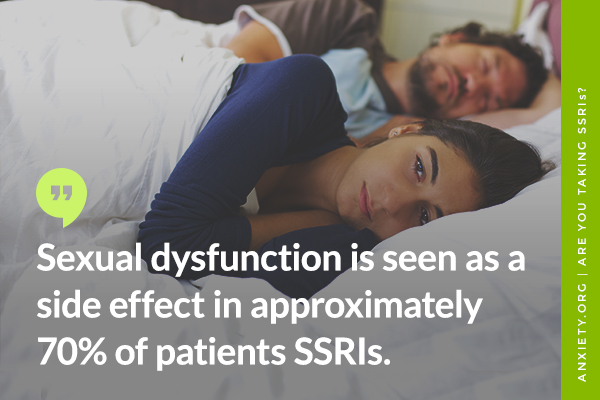
Some people might find sexual problems embarrassing to talk about. Sometimes these are caused by medication, and sometimes they are caused by a physical or psychological issue. Talk to your doctor about what might be causing your problems and how you can try to resolve them. Although you might find it difficult, doctors will have discussed this sort of problem many times before.

Weight gain
Medication, especially antipsychotic drugs, can cause weight gain. The reasons for this are not clear, but it is thought that some antipsychotics can cause people to become hungrier. It is important to try to eat well and ensure that you have healthy snacks available so that you are not tempted to eat junk food. Also, talk to your doctor about what can be done to lessen the weight gain. Your doctor may refer you to a dietitian or offer you an ‘exercise prescription’, for example.

Clinical guidance states that people with bipolar disorder and schizophrenia should receive an annual physical health check.

The side effects of my medication are unbearable. Can I stop taking it?

You should be very careful about this because there can be severe consequences if you stop taking your medication suddenly without taking the advice of a doctor. For most medications, withdrawal of the medication should be done slowly. In some cases, the process will take months in order to be done safely. In other cases, side effects will be very serious and so the medication will have to be withdrawn more quickly than usual.

If you are having serious side effects, contact your doctor and make an appointment to discuss the problem as soon as possible.

CHALLENGING

What are the first steps towards challenging my doctor about a medication decision?

Guidance produced by the General Medical Council (GMC) states that doctors should be open and honest about why they have made a decision. They should listen to your concerns and take any reasonable requests into account. Sometimes, however, a doctor and a patient can disagree about what should happen during treatment, or mistakes can be made.

It is best if possible to try to resolve any disputes informally at first. If you have regular appointments, you could use your next one to discuss this. If you have not got an appointment coming up, then you can make one. Prepare for your appointment with questions you would like to ask and a list of your concerns. You may wish to write some of these things down to help you remember them. Perhaps you could ask a carer, friend or relative to go to the appointment with you if you think that it will help. You could also see whether there is an advocate in your area who can help. If you have a care coordinator, perhaps they could support you at an appointment.

Negotiate with the doctor and try to find out the reasons why they have made their decision. If the doctor seems to be refusing to negotiate about a particular issue, find out whether there are good reasons for this.

More formal ways of trying to resolve an issue include writing a letter to your doctor asking for your concerns to be taken into account, possibly by making reference to guidance produced by a governing body such as the GMC or the National Institute for Health and Clinical Excellence (NICE).

It is best, wherever possible, to keep a good relationship between you and your doctor. So it may be best to try the least antagonistic way of resolving a problem to begin with and to be diplomatic when raising issues. If your doctor is obstructive or will not listen to your concerns, then you can try more formal ways of resolving the problem.

What can I do if my doctor won’t help to resolve my problem?

If your dispute with your doctor is about your diagnosis or treatment, you may wish to ask whether you could be referred for a second opinion.

Ultimately, if your relationship with your doctor has broken down completely, a dispute cannot be resolved or if you feel as though you have been treated badly, you could use the NHS complaints procedure.

If you think your doctor has seriously breached his or her professional code of conduct, you could also consider reporting them to their governing body, the GMC. This option is only appropriate where a doctor has acted very badly by, for example, committing a criminal offence, making serious mistakes repeatedly or being dishonest. It is not a way of resolving simple disagreements about medication.

I believe I have been treated negligently by my doctor, what can I do?

If you feel that you have suffered loss because your doctor has acted in a way that no reasonable doctor would act, you may wish to consider taking legal action.

Our sections on clinical negligence and getting legal advice and assistance will provide you with further information.

My doctor says that the treatment I want isn’t available on the NHS, what can I do?

Unfortunately, due to limited resources, the NHS may not always be able to make all treatment options available in your area. If your local NHS services do not offer a type of medication that you would like to try, you could try making an ‘Individual Funding Request’ in order to get this funded by the NHS. You can find further information on this in our Rights in Relation to NHS Treatment section.

MENTAL HEALTH ACT

When you are detained under certain sections of the Mental Health Act 1983 (MHA), you can be treated without your consent using a medication that your doctor thinks is most appropriate for you. However, you should still be asked whether you consent to treatment before it is given to you. It is important that your doctor asks you questions and looks over your medical notes so that the right medication can be chosen for you.

You can try to resolve disputes about medication in the ways set out in this section. However, your ability to stop medication is affected by your status under the MHA. You should have access to an Independent Mental Health Advocacy (IMHA) scheme if you would like an advocate to help you to discuss medication problems with your doctor. Your friends and family could also help you if you are willing for them to be involved with your care.

CHECKLIST

•What is my diagnosis and what does this mean?
•Why have you chosen this particular medication for me?
•What is the usual dose of this medication?
•Which symptoms should this medication help with?
•Are there treatment options that I could try that don’t involve drugs?
•What are the likely side effects? Will they be short-term or long-term?
•What are the chances of experiencing a particular side effect? E.g. weight gain, sexual side effects.
•Are there any other medications that I could try instead if I wanted to?
•How long will it take to work?
•How long will I have to take it for?
•Will I be offered a repeat prescription?
•What should I do if it doesn’t work for me?
•What should I do if I get bad side-effects?
•How often will my medication be reviewed?
•(If applicable) Can I drink / smoke when taking this medication?
•(If applicable) Will the medication interact with any other drugs I am being prescribed or herbal remediesI am taking?
•(If applicable) Can I drive while taking this medication?
•How does the medication work?

Posted in News & updates | Leave a comment

Bordeline Personality Fact Sheet

Borderline personality disorder (BPD) can mean that you are prone to strong emotions, mood swings and feelings you can’t cope with easily and may feel distressed a lot of the time.
 Around 1 in 100 people have BPD.
 There may be different reasons why someone develops BPD.
 There are a number of different approaches to treating BPD, most of which include different types of one-to-one and group talking therapies.
 Complications can arise if you have BPD, including problems with substance misuse and self-harm.
This factsheet covers:
1. What is borderline personality disorder (BPD)?
2. What are the symptoms of BPD and how is it diagnosed?
3. What causes BPD?
4. How is BPD treated?
5. What are the treatments for BPD?
6. What if I am not happy with my treatment?
7. What risks and complications can BPD cause?
8. Information for carers, friends and relatives
1. What is borderline personality disorder (BPD)?
Generally speaking, your personality is defined by the way you think, feel and behave. These characteristics shape the way you view the world and the way you interact with others. It is when these characteristics have a
Borderline Personality Disorder (BPD)
significant effect on the way you cope with life, manage relationships and respond emotionally that you may be diagnosed with a personality disorder.
There are different types of personality disorders, which are divided into categories or ‘clusters’. BPD falls under the dramatic/ emotional/ erratic cluster. It is also referred to as ‘emotionally unstable personality disorder’.
The term ‘borderline’ originally referred to the condition being on the borderline between psychosis (where someone is out of touch with their normal reality) and neurosis (experiencing emotional distress and anxiety).
Around 1 in 100 people have BPD. It is thought to be one of the more widely recognised and researched personality disorders. Research suggests that more women than men have BPD.1
If you have BPD, you may find that you:
 Self harm or feel suicidal regularly
 Find it difficult to cope with stress
 Find it difficult being around and getting along with other people
 Experience strong emotions, mood swings and feelings you can’t cope with easily
 Try and change how you feel through drinking or using drugs
 Have very strong views on something and feel there is no middle ground
 Find it difficult to stay in work, have a long term relationship, or maintain a tenancy
 Feel isolated and fearful
Sam’s experience
On a bad day, my distress levels go through the roof. The simplest of things like making breakfast will make me want to self harm. My emotions feel jumbled up and I don’t understand why I feel so upset. It makes me feel drained. It’s difficult to explain how I feel.
It can be different for everyone. You might realise you have problems, but assume nothing can be done.
You can find more information on other personality disorders in our ‘Personality disorders’ factsheet, which you can download for free from http://www.rethink.org or call 0300 5000 927 and ask for a copy to be sent to you.

2. What are the symptoms of BPD and how is it diagnosed?
If your GP thinks that you may have BPD, they should send your details to the community mental health team (CMHT). This is sometimes called a ‘referral’.
You may then be seen by a specialist doctor, such as a psychiatrist, for an assessment. Doctors will diagnose a personality disorder based on guidelines which standardise decisions about diagnosing mental health problems. The main guidance doctors use is in the ‘International Classification of Diseases’ (ICD-10) by the World Health Organisation (WHO) and the ‘Diagnostic and Statistical Manual of Mental Disorders’ (DSM-5) by the American Psychiatric Association.
For the doctor to diagnose you with BPD, he or she must be sure that you are experiencing five of the symptoms below:
 Extreme reactions to abandonment, whether real or perceived
 A pattern of unstable and intense personal relationships with others
 Unstable self-image or sense of self
 Impulsivity in at least two areas that are potentially self-damaging
(for example, spending, sex, substance abuse, reckless driving, binge eating)
 Recurring suicidal behaviour, gestures, threats, or self-harming
 Long lasting feelings of emptiness
 Inappropriate, intense anger or difficulty controlling anger (for example, frequent displays of temper, constant anger, recurrent physical fights)
 Intense, highly changeable moods
 Stress related paranoid thoughts
All five must be severe for you to get a BPD diagnosis.
Doctors will need to talk to you about your experiences and long term history or talk to others close to you, with your consent. As with all mental illnesses, there are no direct medical tests (such as a blood test) to check whether you have a personality disorder.
It is not clear when people first experience BPD. People aren’t usually diagnosed with it before the age of 18, but some research suggests it can start at an earlier age.2 If you are under 18, you should still get treatment, but it will be from child and adolescent mental health services (CAMHS) rather than adult mental health services.3
If you feel unhappy with your diagnosis, you should discuss any concerns with health professionals involved in your care. You can ask why they have provided the diagnosis. An advocate could be helpful in this type of situation. You can find out more about advocates in section 6.

3. What causes BPD?
We don’t know exactly why some people develop BPD. Some research shows that genes play a part, and that it does sometimes seem to run in families.4 Many people diagnosed describe experiences of past traumas or events. These can often include difficulties growing up, including childhood neglect or physical, emotional or sexual abuse. This is not the same for everyone though. Some people find that problems get worse after a chain of stressful life events, such as bad relationships, problems with work or the loss of someone close. The most important thing is to try and get help and support if you are experiencing any of the symptoms of BPD.

4. What are the treatments for BPD?
Professionals from the CMHT, along with you and your family (if you agree to them being involved), should together decide what treatment to give you. Your GP should still be involved with your physical health needs and support in a crisis.
You may find that you get treatment from a specialist personality disorder service or unit. These services are made up of professionals such as psychologists, psychiatrists and therapists who will have specialist experience in helping people with personality disorders. Sometimes you might be able to go direct to one of these services instead of seeing your GP. You can call us to find out what services are in your area and how you can access them.
Most treatments for BPD include one-to-one and group psychological treatments or ‘talking therapies’. All involve talking with a therapist, but are slightly different from one another. Some have a defined structure to them, while others are more flexible. Some of these are specifically for people with BPD. Others are also helpful for anxiety or depression. In some areas, there are long NHS waiting lists for these treatments.
Some common treatments are:
Dialectical Behaviour Therapy (DBT)
DBT is a psychological treatment that focuses on enhancing your skills in regulating emotions and behaviour. It aims to address and change patterns of behaviour by finding a balance, or resolving differences (this is what is meant by ‘dialectical’). The therapy can help you gain control of behaviour such as self-harm and substance misuse. Recent studies show that DBT can significantly help people diagnosed with BPD.5 The therapy usually takes place over a year with weekly one-to-one and group meetings. Normally, you access individual one-to-one therapy appointments, education groups and telephone support.6
Cognitive Analytical Therapy (CAT)
CAT focuses on changing repeating patterns that were set up in childhood as a way of coping with emotional difficulties. You and the therapist will work together to recognise these patterns and then to try and change them. CAT helps you recognise relationship patterns that continue throughout life and are difficult to change. You will identify goals from the start.
Mentalization-Based-Therapy (MBT)
Mentalizing is about making sense of people’s behavior in terms of their likely thoughts, intentions, needs and desires. It is about being aware of what’s going on in your own head and in the minds of others (known as ‘mentalising’). Sometimes when you feel distressed, your ability to ‘mentalize’ can be severely reduced. It can be nearly impossible to think in a reasoned way about others, which can lead to problems. MBT combines group and individual therapy and aims to help you better understand yourself and others. The approach assumes that mentalizing is a learned skill, and that people can learn it through therapy.
Dynamic psychotherapy
This is one of the longest established therapies and is a term that covers therapy of an analytical nature. It is a form of in-depth therapy which focuses on the unconscious and past experiences and the effect on current behavior and thinking. For people with BPD the therapist provides more structure and is more ‘active’ than usual. You are encouraged to talk about childhood relationships and experiences during the sessions. The aim is to help you understand how experiences in the past can unconsciously affect your behavior and thinking.7
Therapeutic Communities
These are places people with long-standing emotional problems can go to (or sometimes stay) for several weeks or months. Sometimes you may visit for just a few hours a week. Most of the treatment happens in groups. People learn from trying to get on with other people in the treatment group. It differs from ‘real life’ in that any disagreements or upsets happen in a safe place. People in treatment often have a lot of say over how the community runs.8
Medication
There is no recommended or licensed medication as treatment for BPD. However, due to the nature of BPD and how it often overlaps with one or more other mental health problems, you might receive medication to help with symptoms such as anxiety and depression. If your doctor prescribes any medication, he or she should tell you how it might help and what side effects to expect. Different types of medication include:
Antidepressants
These can help with low mood and emotional difficulties, while some of the selective serotonin reuptake inhibitor antidepressants (SSRIs) can help you be less impulsive and aggressive.9
Mood stabilisers
Medication such as lithium, carbamazepine, and sodium valproate can make you feel less impulsive and aggressive.
Antipsychotics
You might receive antipsychotics if you are experiencing symptoms of psychosis, which is when you might be hearing or seeing things that aren’t there.
You can get more information about antidepressants, mood stabilisers, antipsychotics and psychosis at http://www.rethink.org.
5. What treatment should I be offered?
The National Institute for Health and Care Excellence (NICE) produces guidance on recommended treatments for BPD. You can find this guidance at http://www.nice.org.uk.
NICE guidance states that if your BPD causes you significant problems, you may be offered a psychological treatment in a special program.
How often you have sessions will depend on your needs and what is suitable for you. Psychological treatment lasting about a year or longer is best for people with BPD.10
Women with borderline personality disorder who self-harm on a regular basis may be offered dialectical behavior therapy (DBT).11
The type of therapy or treatment you can access will depend on your difficulties and where you live. This should be based on an approach that you, the therapist and your healthcare team agree to in advance.
NICE guidance states that doctors should not give anyone medication specifically to treat BPD.
Crisis
In crisis, you can contact your GP or healthcare team. They should understand the crisis from your point of view, and explore with you why you are distressed. They should be sensitive about why you are having a crisis and encourage you to think about solutions for your problems. They should try to help you to work through your problems rather than immediately offering you a place in a crisis unit or hospital.
If you feel you are having a mental health crisis, or if you need physical attention (due to self harm, injury or overdose), you can also go to the Accident & Emergency (A&E) or casualty department of the local hospital or call emergency services.

6. What if I am not happy with my treatment?
If you ever feel unhappy with how your treatment or care is being handled, or feel that the relationship between yourself and a professional is not working well, you could call the Patient Advice and Liaison Service (PALS) at your NHS trust. They can try to resolve any problems or questions you have. You can find your local PALS’ details at http://www.nhs.uk/Service-Search/Patient-advice-and-liaison-services-(PALS)/LocationSearch/363 or the Rethink Mental Illness Advice Service could search for you. You can contact us on 0300 5000 927.
You might find a general/community advocate helpful if you are unhappy with your treatment. Advocacy can help you understand the mental health system and enable you to be fully involved in decisions about your care. An advocate is someone independent from mental health services who can help to make your voice heard when you are trying to resolve problems. They may be able to help with writing letters for you or attending appointments or meetings. You can find more information about advocacy in our ‘Advocacy’ factsheet.
There may be a local advocacy service in your area which you can contact for support. There may be a local advocacy service in your area which you can contact for support. You can search online for a local service or the Rethink Mental Illness Advice Service could search for you.
If you are not happy with your treatment, you can refer to the NICE guidance to see if you are being offered the recommended treatments. You can find all of their guidelines at http://www.nice.org.uk.
If you are unhappy with the fact that you have been given a diagnosis of BPD, or feel that it is incorrect, then you could consider requesting a second opinion. No one has a legal right to getting a second opinion, but it may be worth exploring if there are doubts or questions. You can find out more about getting a second opinion, having a choice in your medication or making a complaint at http://www.rethink.org.
It might also help to contact one of our specialist advisers to discuss problems you are having with your care and treatment. You can call us on 0300 5000 927 between 10 and 2pm Monday to Friday or email advice@rethink.org.

7. What risks and complications can BPD cause?
Diagnosis of BPD
Being told that you have BPD might leave you feeling confused, upset and distressed. Some people feel that BPD symptoms can sound like being deliberately difficult, bad-natured and manipulative. For this reason, some people reject the diagnosis and feel it is stigmatising. Others however find that having the diagnosis allows them to recognise a set of problems that they can work on and overcome.
Healthcare professionals should be sensitive about the impact of diagnosing someone with BPD.
People often have other mental health problems alongside BPD. This can sometimes lead to mistakes in diagnosis. People might have symptoms of depression, anxiety, eating disorders, post-traumatic stress disorder (PTSD), substance misuse disorders and bipolar disorder. The similarities between BPD and PTSD have led some to suggest that BPD should be regarded as a form of delayed PTSD.12
Some doctors feel that giving someone the diagnosis of a personality disorder can cause problems getting support in the future. They may feel there is still some stigma attached to the condition. You yourself may feel that a diagnosis of personality disorder can cause barriers to receiving the right support. However, this does not mean that your diagnosis should be changed just to get the right support. The Department of Health produced guidance in 2003, making it clear that people with personality disorders should receive appropriate care and should not be excluded from services just because of their diagnosis.13
Self-harm
Self-harm is common amongst people who have BPD.14 Self-harm can help people to manage painful feelings that may be triggered by specific events or strong negative emotions. It can also act as a way of coping with distressing events and communicating that stress. You can find more information about self-harm from http://www.rethink.org.
Drugs and alcohol
People coping with difficult emotions and feelings sometimes drink too much or take drugs. People can behave impulsively after drinking or taking drugs, and might self-harm or threaten suicide. People who are dependent on alcohol or drugs are much more likely to have BPD.15 More women who drink a lot or take drugs will have a BPD diagnosis than men.16 If you drink heavily or use drugs, you may find it difficult to get specialist BPD treatment. You may also get long-term physical health problems. Health professionals call having a mental illness and a problem with drink or drugs ‘dual diagnosis’. You can find more information about dual diagnosis in our ‘Dual diagnosis’ factsheet.
Recovery
People with BPD who experience significant problems may require a large amount of support from services and from family and friends.
Many people stop going to therapy services.17 Although often wanting help, people with BPD often fear rejection from health professionals, especially if they have had previous negative experiences. Assessments can be traumatic and upsetting, because people have to talk about their experiences.
In some areas, people do pre-therapy preparation to understand the link between emotions and decisions. This helps people recognise their emotions before starting therapy.

8. Information for carers, friends and relatives
As a carer, friend or family member of someone living with BPD, you might find that you also need support.
You may find it useful to learn about the disorder as much as possible. This will help you gain a better understanding of why things are happening the way they are and to also know when the person might need extra support. This may help you be more aware of possible triggers or actions and create an environment you can discuss things more openly.
You can find out information on things like risky behavior, self-harm and how to support someone with a mental illness at http://www.rethink.org.
It is important to seek emotional support for yourself if are struggling to cope. You could try contacting one of the organisations listed in the ‘useful contacts’ section below and also check whether there are any local support groups for carers, friends and relatives in your area. New education and support programmes for families are starting in some parts of the country. You can contact us to find out what services or groups are in your area.

National Personality Disorder Website provides information and resources relating to personality disorders. There is also a discussion forum.
Web: http://www.personalitydisorder.org.uk/
Emergence is an organisation that supports people living with personality disorder and carers, friends and relatives.
Web: http://www.emergenceplus.org.uk
BPD World is committed to raising awareness and reducing the stigma of mental health with a focus on borderline personality disorder. It provides online information, advice and support and has an online forum.
Email: support@bpdworld.org
Web: http://www.bpdworld.org
Tara (Treatment and Research Advancements) for BPD is an American education-based and support community for carers and families of people living with BPD.
Web: http://www.tara4bpd.org
Secret Shame is a comprehensive website dealing exclusively with self- harm. It is a valuable information resource with an up to date list of support groups in the UK, but also a place to talk to people with similar experiences through chat rooms and bulletin boards.
Web: http://www.selfharm.net
Turning Point is a social care organisation working with individuals and their communities across England and Wales in the areas of drug and alcohol misuse, mental health and learning disabilities.
Standon House
21 Mansell Street
London
E1 8AA
Tel: 020 7481 7600
Email: info@turning-point.co.uk
Web: http://www.turning-point.co.uk
1 National Institute for Health and Clinical Excellence (2009) Borderline Personality Disorder. The management of Borderline Personality Disorder in adults, children and adolescents, in primary and secondary care. CG78. London: National Institute for Health and Clinical Excellence.
2 Chanen, A. and McCutcheon, L. Prevention and early intervention for borderline personality disorder: current status and recent evidence. British Journal of Psychiatry. 202, s24-29
3 See reference 1
4 See reference 1
5 McMain SF. et al. Dialectical behavior therapy compared with general psychiatric management for borderline personality disorder: clinical outcomes and functioning over a 2-year follow-up. Centre for Addiction and Mental Health, Canada. 2012
6 See reference 1
7 UK Council for Psychotherapy. Psychodynamic psychotherapy. http://www.psychotherapy.org.uk/iqs/dbitemid.644/sfa.view/different_types_of_psychotherapy.html (Accessed Jan 2013)
8 Royal College of Psychiatrists. Personality disorders http://www.rcpsych.ac.uk/mentalhealthinfo/problems/personalitydisorders/personalitydisorder.aspx (Accessed Jan 2013)

Posted in News & updates | Leave a comment