12 Surprising Facts About Depression By Madeline R. Vann, MPH Reviewed by Farrokh Sohrabi, MD

At first glance, major depression may seem black and white. But people with depression know that it’s more complex than you think.

Depression is often misunderstood as just feeling sad. But it’s a complex condition, and the facts about depression, depression symptoms, and depression management might surprise you.

What Is Depression?

Doctors diagnose major depression (also called major depressive disorder) based on criteria in the American Psychiatric Association’s Diagnostic and Statistical Manual of Mental Disorders, Fifth Edition, or DSM-V. A depression diagnosis is made when at least five of the following symptoms occur nearly every day for at least two weeks:

  • Depressed mood
  • Loss of pleasure in all or most activities
  • Significant weight change or change in appetite
  • Change in sleep
  • Change in activity
  • Fatigue or loss of energy
  • Diminished concentration
  • Feelings of guilt or worthlessness
  • Suicidality

In order to diagnose major depression, either depressed mood or loss of pleasure in activities must be one of the symptoms.

12 Things You Might Not Know About Depression

While the definition of major depression may seem simple enough, depression has profound and varying impacts. Here are some surprising facts:

  1. Depression has different triggers. People have a higher risk of depression if they’ve recently been through a stressful life event, if they’ve had depression in the past, or if a close family member has been depressed. Sometimes depression develops without any obvious cause.
  2. Genes provide some (but not all) of the answers. The genetic predisposition to depression is becoming better understood and might explain why one person becomes depressed and another doesn’t, says Ole Thienhaus, MD, professor of psychiatry at the University of Arizona in Tucson. A family history of depression matters, but it’s not always the only factor. For example, identical twins — siblings who have exactly the same genes — will both develop depression only about 30 percent of the time, according to the National Alliance on Mental Illness.
  3. Depression affects the body. Headache, stomach problems, shortness of breath, and general physical tension can all be symptoms of depression, according to the National Institute of Mental Health.
  4. Depression might be a “gut feeling.” A complicated relationship between the brain, the central nervous system, and the “good” bacteria in the gut could contribute to depression, according to a review of research published in January 2016 in the World Journal of Gastroenterology. A varied diet that includes probiotics and prebiotics may play a role in managing depression, the researchers theorize.
  5. Depressed brains look different. Imaging studies of the brain can show some of the structures and brain circuits that work differently when a person is depressed, says a review of research published in June 2015 in theAmerican Journal of Psychiatry.
  6. Depression is linked to other health problems. People with chronic conditions like diabetes, heart disease, and multiple sclerosis may also have a higher risk of depression.  
  7. Depressed people might not look depressed. “Depression is a hidden illness,” says Jeremy Coplan, MD, professor of psychiatry at SUNY Downstate in New York. Some people can seem upbeat and cheerful, but inside they’re struggling with the symptoms of depression.
  8. Exercise helps manage depression. “Exercise improves mood state,” Dr. Thienhaus says. He explains that exercise helps stimulate natural compounds in the body that can make you feel better. Aim for at least 30 minutes of physical activity most days. “We typically recommend that people with depression exercise, develop a healthy diet, and go to bed at a regular time.”
  9. More than one antidepressant medication may be needed. Many people with depression don’t get relief from their first or second antidepressant. People who take a second medication without relief are considered to have treatment-resistant depression, Dr. Coplan says. His research, published in May 2014 in the journal Frontiers in Behavioral Neuroscience, suggests that for some depressed people, the physiology of their brains means that certain antidepressant medications won’t work to treat depression or must be used in combination with other medications to achieve and maintain relief.
  10. Therapy is needed, too. Sometimes antidepressant medications will be used first to alleviate depression enough for therapy to be helpful, Coplan says. But psychotherapy, cognitive behavioral therapy, or other therapeutic strategies like transcranial magnetic stimulation are also needed for effective depression treatment.
  11. Warming up could help. People who are depressed may have an altered thermoregulatory system. Exposure to heat may have potential as a sort of antidepressant, says Charles Raison, MD, professor of psychiatry at the School of Medicine and Public Health, University of Wisconsin-Madison. More research is needed, but hot yoga, a warm bath or shower, saunas, and hot tubs are low-cost ways to try this for yourself.
  12. Depression is a leading cause of disability. The World Health Organization considers depression to be a leading cause of disability worldwide. “People routinely say that depression is the worst thing that’s happened to them,” Coplan says. “And the reason that’s offered is that their brains don’t work properly. They can’t make decisions and they aren’t sure of themselves — everything requires huge mental effort.”

Last Updated: 2/22/2016

Posted in News & updates | Leave a comment

10 Questions About Antidepressants, Answered By Marie Suszynski Reviewed by Pat F. Bass, III, MD, MPH

Are antidepressants safe? Will I become addicted to depression medication? Get expert answers to common questions about depression treatment.

There’s no doubt that the use of antidepressants is on the rise — roughly 67 percent of people with major depression use medications as their primary form of treatment, says the National Alliance on Mental Illness (NAMI).

Yet despite this popularity, taking antidepressant drugs isn’t without risks and can lead to a lot of questions about safety and use. That’s why it’s essential to work with your doctor to make a well-informed decision about depression medication and to remain knowledgeable as you stay the course.

Types of Antidepressants

The two classes of drugs most commonly prescribed for depression are selective serotonin reuptake inhibitors (SSRIs) and serotonin and norepinephrine reuptake inhibitors (SNRIs), says Rajnish Mago, MD, director of the mood disorders program and an associate professor of psychiatry and human behavior at Thomas Jefferson University in Philadelphia. These medications work on the brain chemicals serotonin and norepinephrine, according to the National Institute of Mental Health. Another common antidepressant drug affects the chemical dopamine in the brain.

Tricyclics and monoamine oxidase inhibitors (MAOIs), two older classes of antidepressants, usually aren’t prescribed as first-line treatment.

FAQs About Depression Medication

Here are some of the questions psychiatrists hear most often about depression medication. Use these as a launching pad to starting a conversation with your own doctor.

Q: Are there side effects of antidepressant drugs?

A: Short-term side effects may develop during the first two weeks of taking an antidepressant drug, including headaches, nausea, hand tremors, and insomnia. If you experience any of these symptoms, remember that they’re temporary. Call your doctor and explain what’s happening, Dr. Mago says. There may also be long-term side effects such as weight gain, low libido, and fatigue that can be associated with taking SSRIs and SNRIs.

Antidepressant medication should only be taken if the benefits outweigh the risks, so be sure to tell your doctor what you’re experiencing. If side effects are intolerable, he or she may change your medication.

Q: Will depression get worse before it gets better?

A: Some people may feel that their depression symptoms worsen at first because of the initial side effects and because it can take two to six weeks for the medication to take full effect. Keep in mind that things will get better, Mago says.

Q: Are antidepressant drugs addictive?

A: Mago often hears this question from people, and says the answer is “no.” While you’ll have to taper off an antidepressant when you’re ready to stop taking the medication to avoid a recurrent episode of depression, it’s not the same as being addicted.

Q: Will antidepressant medication change my personality?

A: Antidepressant drugs don’t change your personality per se, but they can make some people feel emotionally numb, Mago says. “Some people who take antidepressant medication say they don’t feel depressed, but they don’t feel happy, either,” he notes. It’s rare, but when this does happen, it’s usually associated with drugs that work through the brain chemical serotonin. In that case, changing to a drug that affects dopamine may help.

Q: How long will I need to take medication for depression?

A: The goal is 100 percent improvement of your depression symptoms, Mago says, which may take several months. Once you’re there, he recommends continuing the medication for another 4 to 12 months before tapering off with your doctor’s guidance.

Someone who’s had at least three episodes of major depression may need long-term preventive antidepressant treatment, which would mean taking medication for several years.

Q: What if I still experience depression symptoms?

A: If you’ve been taking antidepressant medication for longer than six weeks and you’re still depressed, you may need a higher dose or a different medication. Tell your doctor if you’re experiencing symptoms and ask if it’s time for a change.

Q: What if I skip a dose of antidepressant medication?

A: Some people wrongly believe that they should only take an antidepressant on the days they’re feeling depressed, but you should take it every day. In general, if you miss a dose, take it as soon as you remember. But some antidepressant drugs shouldn’t be taken after a certain time of day because they may cause insomnia.

Q: Can I drink alcohol with antidepressant medication?

A: The effects of alcohol on a person who’s taking an antidepressant drug will vary. “Some people may feel no difference, while others may say one drink feels like three,” Mago says. What’s more, alcohol is a depressant and can cause feelings of depression, counteracting the benefits of your medication. But if having a drink at dinner is important to you, discuss it with your doctor first. And remember to drink in moderation, don’t drive, and don’t drink alone.

Q: Are antidepressants safe during pregnancy?

A: Antidepressant drugs have been associated with preterm birth, heart abnormalities, and even autism, Mago says. Talk to your doctor if you are pregnant or trying to conceive so you can make the right treatment decisions together.

Q: Can I take a supplement with antidepressant medication?

A: Some dietary supplements should not be taken with antidepressant drugs. For example, an SSRI should never be taken with the supplement St. John’s wort because they work in similar ways, Mago says. But taking fish oil is probably okay, he says. Always ask your doctor before combining any supplements with prescription drugs.

Last Updated: 2/22/2016

Posted in News & updates | Leave a comment

10 Healthy Foods to Boost Your Mood

Foods That May Help You Manage Depression

Not only does a healthy diet help control your waistline, but smarter food choices may also help ward off symptoms of depression. The best nutritional plan to prevent depression is likely to be a varied diet with plenty of fruits, vegetables, whole grains, nuts, beans, and foods rich in omega-3 fatty acids. While you increase these healthy foods, cut down on the processed and prepackaged foods you eat, according to dietary recommendations for depression published in August 2015 in the journal Nutritional Neuroscience.

“Eating several servings of fruits and veggies daily, along with whole grains, lean meats, and occasional treats is the best way to support good mental and physical health throughout life,” says Felice Jacka, PhD, president of the International Society for Nutritional Psychiatry Research (ISNPR) and the Australian Alliance for the Prevention of Mental Disorders. Dr. Jacka’s research into the relationship between diet and depression has pointed to the importance of healthy foods and a varied diet to boost mood. “The way that food interacts in our bodies to support or reduce health is highly complex,” she says. “This is why reducing the focus to single nutrients or food components is of limited value.”

Along with a prescribed treatment plan, certain foods may help manage depression by providing a variety of important nutrients. Start by putting these 10 foods on your menu .

Nuts

Jacka recommends consuming fresh nuts on a daily basis. Nuts are healthy foods densely packed with fiber, protein, and healthy fats — just keep track of calories, which can add up quickly. Try to get about 1 ounce a day of mixed nuts, including walnuts and almonds. Munch on nuts containing omega-3 fatty acids, such as walnuts and almonds, for the greatest long-term benefits.

Grass-Fed Beef

High-quality proteins are building blocks for a mood-boosting diet, Jacka says. She highlights grass-fed beef as an example of a healthy protein to include for balancing depression and diet. According to Jacka’s research team, grass-fed beef contains more of the healthy fats, such as omega-3 fatty acids, that might play a role in managing depression.

Fish

Fish is one healthy food that can help fight depression, according to research published in January 2014 in The American Journal of Clinical Nutrition. Fish plays a role in many traditional regional diets, such as the Mediterranean, Norwegian, and Japanese diets, that have been studied and recommended for their anti-depressive benefits. Try eating a 3-ounce serving of fish two or three times a week, Jacka says.

Whole Grains

Choosing whole grains and high-fiber foods over refined sugar and flour products is good for your body and brain health. “Keeping your blood sugar stable by not eating too many sweets or highly refined carbohydrates is a good place to start,” says Marjorie Nolan Cohn, RD, CDN, a dietitian in New York City. “Blood sugar-stabilizing foods can affect mood by helping to regulate brain neurotransmitter secretions.” Women should get 25 grams of fiber daily, while men need 38 grams, according to the Academy of Nutrition and Dietetics.

Fruit

The more fruit you eat, the lower your risk of depression, according to a review of research examining the correlation between fruit and vegetable consumption and depression. The results of the data analysis appeared in September 2015 in the journalNutrition. Fruit is rich in vitamins, minerals, and micronutrients, making it a great food to indulge in when you want a sweet sensation. Eating a variety of fruits, including berries, is ideal, Jacka says. Aim for 1½ to 2 cups of fruit daily, recommends the U.S. Department of Agriculture (USDA). Start with a banana — a healthy sweet treat that’s been linked to improving mood.

Vegetables

“Eat a wide array of vegetables, with lots of leafy greens and high-fiber root vegetables,” Jacka says. The same research analysis that linked higher fruit intake with reduced depression risk suggested that eating more vegetables correlates with the same outcome. When you’re feeling blue, a carrot might be the last thing on your mind, but the variety of vitamins and minerals in vegetables, as well as their fiber content, may help protect you against low mood and depression. You’ll want 2 to 3 cups of vegetables daily, the USDA says.

Fermented Foods

“The new and rapidly emerging field of research into gut health suggests that diet is essential in maintaining healthy intestinal microbiota, which appears to influence behavior as well as health,” Jacka says. Fermented foods like kimchi, sauerkraut, tempeh, kombucha, and certain yogurts are good sources of healthy bacteria called probiotics.

Beans and Peas

The Mediterranean-style diet has many advantages, including a potential role in preventing and managing depression over your life span, according to a study published in February 2013 in The Journal of Nutrition, Health & Aging. Legumes, including lentils, beans, peas, and chickpeas are a large component of the Mediterranean diet. What’s more, legumes and other high-fiber foods (including oatmeal, asparagus, and bananas) support gut health by providing prebiotics, which feed the healthy bacteria in your gut.

Depending on your age and gender, you should be eating 1  to 2 cups of beans per week, according to the USDA. Reach for some warming lentil soup or scoop up hummus with raw veggies at your next meal.

Hot Cocoa

Research published in May 2013 in the Journal of Psychopharmacology looked at the mood and cognitive benefits of having a chocolate drink every day for a month. Chocolate contains a type of antioxidant called polyphenols, which are thought to boost mood. The 72 female participants were divided into three groups, drinking cocoa with 0 mg, 250 mg, or 500 mg of polyphenols. Those who drank the chocolate with the highest polyphenol count experienced the greatest boost in mood, feeling calmer and more content.

Coffee

A cup of caffeinated coffee could boost your mood, both short and long term. On a short-term basis, the caffeine provides an immediate pick-me-up — and can provide a social mood boost if you’re at a coffee bar. Plus, a review of data from 12 studies of caffeine and depression suggests that coffee may help protect against depression. According to the results, reported in January 2016 in the journal Molecular Nutrition & Food Research, you’ll get the most protection with about 2 cups (400 milliliters) of coffee per day.


Posted in News & updates | Leave a comment

DIY Tips for Living Well With Depression

Daily steps to help fight depression can be an important part of treatment in addition to what your doctor prescribes.

Depression is different for everyone, so managing it should also be unique. Medication, talk therapy, and other approaches are essential for treating major depression. But that doesn’t mean you can’t enhance your everyday habits to help boost your mood.

Lifestyle changes can go a long way toward a happier you, says Nicholas R. Forand, PhD, a clinical psychologist and an assistant professor in the Department of Psychiatry and Behavioral Health at The Ohio State University Wexner Medical Center in Columbus. “The good news is that if you keep these changes up, they can make you less likely to become depressed in the future.”

Implementing daily healthy habits is good for the mind, body, and spirit, says Eric Bouwman, a licensed clinical social worker at Kaiser Permanente in Colorado. “By adjusting your diet, sleeping pattern, and caffeine intake, your body can start to regulate itself normally,” he says.

Small Steps to Help Fight Depression

Each day you make a choice to do all you can to be healthy and happy. From simple to silly, these tips can help you manage depression:

  • Set achievable goals. Don’t overwhelm yourself with lofty ambitions. As “the old saying goes, ‘You can only eat an elephant one bite at a time.’ The same thinking should apply to improving your mental or physical health,” Bouwman says.
  • Do something you enjoy. “Small, enjoyable activities are often the first to go when someone starts to get depressed,” Dr. Forand says. “Re-engaging in these things can have a big influence on how you feel.” Schedule a regularly recurring activity that you enjoy, be it a new hobby, an exercise class, or a lunch date with a friend.
  • Laugh. When you’re feeling down, a laugh can lift you up. “Laughter really is great medicine,” says Judy Sturm, president of the Depression and Bipolar Support Alliance (DBSA) of Greater Chicago, who’s been in recovery from bipolar disorder for the last 14 years. For her, laughter is “an even better release than crying.” Share a funny story, tell a joke, or just engage in something silly.
  • Create a routine. “Structure is good,” Forand says. “It makes your life predictable.” Jot down your schedule as a list or on a calendar, or make a note or schedule reminders on your phone — anywhere it’s visible to you. “Writing your schedule down can also help you stay motivated to stick with it,” he says.
  • Be kind. Don’t underestimate the power of simple kindness. “Kindness to others, in any way, shape, or form, is great therapy,” Sturm says. “Holding a door open for someone, picking up a stranger’s dropped item, telling someone they’re dragging their coat on the floor — their gratitude can help your attitude.” Sturm also recommends donating money, goods, services, or time to an organization or project that inspires you.
  • Practice smiling. “This may seem a little strange, but I do smiling practice,” says Douglas Cootey, creator of the blog A Splintered Mind. “A fake smile begins to work its magic on the brain until the smile becomes real. I feel so silly making grin after grin in front of the mirror that it elevates my mood.” Cootey also likes to take silly selfies. “Between the two activities, I can limber up my face to counter the somber effect of depression and feel better about myself in the process,” he says.
  • Try natural ways to treat depression. Massage may help ease symptoms of depression and anxiety, according to the University of Maryland Medical Center. Add some aromatherapy oils (try lavender, orange, or basil) to further engage your senses and relax your mind and body. Or just head outside and let nature work its wonders on your spirit. Cootey says he tries to get outdoors as much as possible to boost his mood and energy level.
  • Add stress management techniques. “Stress is a major cause of depression,” Forand says. The DBSA suggests deep breathing, yoga,meditation, guided imagery, and any other activity that helps you de-stress.
  • Maintain your relationships. “Social interaction is very important and something depressed people often don’t prioritize,” Forand says. And when you make plans to socialize, keep them, he says: “Avoiding something usually makes you feel worse.”
  • Treat yourself well inside and out. Each day dedicate a little energy toward your appearance. “If you look good and feel clean and comfortable, you’ll feel better,” Forand says. Don’t neglect the staples of a healthy lifestyle — get plenty of sleep, eat a nutritious diet, and make time for regular exercise — and don’t forget to take your medication.

Last Updated: 2/22/2016

Posted in News & updates | Leave a comment

How Mindfulness and Meditation Help My Depression

A morning routine that includes self-awareness and living in the moment helps this Austin woman control negative thinking and reduce depression symptoms.

Spike Gillespie, 52, of Austin, Texas, has been living with depression for much of her life. It goes way back, she says. “Probably to my teens, because that’s when I started binge drinking as a way of self-medicating,” she recalls.  But Gillespie says it wasn’t until she started seeing a therapist in 1995 that she was diagnosed with major depression.

In the beginning years of her depressive episodes, Gillespie would fall into bed and could barely function for weeks at a time.

Her life changed almost 15 years ago when she started practicing mindfulness and meditation as part of her depression management. Now, she spends time every day meditating and being mindful, or living in the moment.

Mindfulness meditation is about staying in the present and becoming aware of your body, says Anne McVey, PhD, a psychologist at The Ohio State University Wexner Medical Center in Columbus. You can use this practice to train your mind so that when negative thoughts and emotions start to creep in, you recognize them and are able to push them out, she says.

Lara Fielding, PsyD, a clinical psychologist and clinical supervisor at UCLA, explains that mindfulness meditation “helps individuals step back from the ruminative thinking processes widely found to underlie a depressive episode.”

Gillespie is convinced her daily devotion to mindfulness and meditation has helped her prevent recurrent depressive episodes. “I just don’t get deeply depressed anymore,” she says.

Devoting More Time to Meditation

Gillespie was introduced to meditation when she was in her mid-30s. It was part of a taekwondo class she took. “We would open and close each class with 60 seconds of mindful breathing,” she says. In 2000, she added yoga to her routine. Each class ended with a guided meditation, deepening her interest in the concept.

For the first few years of her home practice, she meditated just three to five minutes most days. Realizing how much it helped, she began meditating for longer and more often.

“Just this year I bumped up my schedule even more,” she says. Now it’s up to two hours most days. She sets bells on her meditation app, Insight Timer, for three minutes, and they ring at least seven times — and usually much more — before her session is over.

She practices meditation and mindfulness exercises each morning before other priorities get in the way: “It’s like exercise, if I don’t do it now, I won’t do it,” she says. Also, she adds, “it’s a nice transition between sleeping and bustling about.”

After Gillespie wakes and has coffee, she sits on a pillow in her pajamas and meditates. She focuses on her breathing and body sensations and on the moment at hand; she doesn’t let her mind wander to depressive thoughts. “It gives me this very grounding start to the day,” she says. “It gives me the feeling, ‘I’m okay. I’m okay. I’m okay.’ It has a very calming effect and carries me through the day.”

Gillespie’s passion for meditation led her to start the blog Meditation Kicks Ass in 2013, and a year later she published a memoir, Sit. Stay. Heal: How Meditation Changed My Mind, Grew My Heart, and Saved My Ass.

Meditation and Medication

Mindfulness meditation training — also called mindfulness-based cognitive therapy — can be effective in treating major depressive disorder and a viable alternative toantidepressant medication in some people, Fielding says. “But if you’re experiencing moderate to severe depressive symptoms, which are impeding your ability to function, antidepressant medication remains the first line of defense, she says.

For many people, she says, a combination — medication taken together with a formal meditation practice — can change the nature of their depressive thinking.

Just 30 minutes of meditation a day appears to improve symptoms of depression, says Madhav Goyal, MD, MPH, an assistant professor of medicine at Johns Hopkins University and lead author on an analysis of previously published research in JAMA Internal Medicine in March 2014. The Hopkins researchers found meditation appeared to provide as much relief from depression symptoms as antidepressants did in other studies.

And mindfulness meditation may be just as good as maintenance medication when tapering off antidepressants, according to a study published in The Lancet in July 2015.

Starting informally and building to longer practices (like Gillespie did) can be very effective, Fielding says. The more you practice mindfulness and meditation, the more it helps, McVey adds.

“If meditation doesn’t become a practice that you do every day, you’re going to lose the benefit because like anything else, practice makes perfect,” she says.

Last Updated: 2/22/2016

Posted in Coping mechanisms | Leave a comment

Precision Medicine in Psychiatry

In 2015, the Obama Administration launched the Precision Medicine Initiative, a major research effort aimed at changing the way we treat disease and improving health. Precision medicine tailors treatment to individual patients based on a variety of information, including genetic information. It is often described as the ability to provide the right treatment to the right person at the right time.

Much of the precision medicine work to date has been in cancer treatment. But work is also underway to use precision medicine in other areas, including the treatment of mental disorders.

Patients & Families

Learn about common mental disorders, including symptoms, risk factors and treatment options.

Learn More

Today, accurate biological tests for most mental disorders are not available, and a single approach does not work for everyone. Each person’s unique genetic, physical, mental, experience, lifestyle and other factors contribute to their response to specific treatments. By taking information on these various factors together, doctors will be able to better predict which treatment will work for which individual. There is emerging research out there to help doctors do just that.

For example, new imaging technologies allow researchers to see the brain at work, and to look at differences in how an individual’s brain is functioning and use those differences to predict what treatments may work best.

Former National Institute of Mental Health Director Thomas Insel, M.D., in a 2015 Director’s Blog, noted that precision medicine for mental disorders will likely “not come from a single genomic glitch. Rather, like many other areas of medicine, many genes each contribute only a small amount of vulnerability as part of an overall risk profile that includes life experiences, neurodevelopment, and social and cultural factors.” Information will come from many sources, including symptoms, genetic make-up, physiology, cognitive assessment, family dynamics, environmental exposures, and cultural background.

Among the research underway across the country, Mayo Clinic researchers are looking at precision medicine to improve depression medication treatment. Genetic differences can cause people to react differently to medication—some may respond well to a particular medication while others may experience difficult side effects. Researchers are exploring the potential of using genetic testing and electronic health records to individualize depression treatment with medications. If doctors were able to determine which medications were more likely to work for particular individuals, they could avoid the difficult process of trial and error that is often necessary today.

Stanford University has undertaken an initiative looking at mental health and prevention of premature mortality. People with serious mental illness on average die a decade or more earlier than people without mental illness. Researchers are working to identify at-risk individuals and families and to develop interventions to preempt and prevent problems. They will focus on several areas including suicide, disorders that co-occur with mental illness, grief and survivorship, and the social and economic consequences of mental illnesses.

Columbia University researchers are focusing precision medicine efforts on several conditions that are strongly genetic—autism, schizophrenia, and obsessive-compulsive disorder. Jeffrey Lieberman, M.D., Chair of Psychiatry at Columbia and former APA President, noted in a panel discussion in 2015 that precision medicine in psychiatry offers a “much more precise way of diagnosing and a much more efficient way of determining what treatment patients should receive.”

Posted in News & updates | Leave a comment

Writing for Mental Health

Keeping a journal, or journaling, can be a powerful tool to help maintain and improve overall wellness and to help address specific mental health challenges.

Keeping a journal is simply the act of writing daily about your experiences, observations, thoughts and feelings. It allows you to reflect on not only what happened during the day, but how you reacted, what you were thinking and how you were feeling.

Journaling can provide general wellness and self-improvement benefits, such as making you more self-aware, boosting creativity and helping you build better habits. Journaling can help you better understand your feelings and emotions and help you manage stress. Writing about things that have frustrated or upset you can help you to let go of some of the stress and gain perspective.

journaling-blog-2.jpg

Journaling can also help to address specific mental health concerns and it is sometimes used as part of psychotherapy. A journal can help you track how you’ve been feeling and functioning over time and how you may have handled difficulties in the past. It can also help you identify areas that you want to focus on or change.

In psychotherapy, a therapist may assign specific journal writing prompts for homework. A journal can be used to record symptoms you’ve experienced (e.g., when, how severe, the situation or factors that might have contributed), experiences with side effects of medications, or progress made in other areas supporting recovery such as exercise or healthy eating. Writing in a journal can provide an opportunity to reflect and consider alternative approaches and how changes in your thinking or behavior might contribute to different outcomes.

Getting Started

So if you’re ready to give it a try, where do you start? You can journal at your computer or tablet, in a simple notebook or a fancy bound journal. Some people prefer the act of handwriting and while it offers privacy (can’t be hacked), it also doesn’t have a back-up if something happens to it. If you prefer to write on your phone or a tablet, that are numerous apps available to help or you can simply keep a text file.

Some examples of thought questions or prompts to help with journal writing:

  • What was the biggest challenge I faced today?
  • Did I feel anxious, frustrated or angry today?
  • Did I have a positive interaction with another person today?
  • Did I have a negative interaction with another person today?
  • Is there a decision I’m trying to make today?
  • Was there something or someone what made me laugh today?
  • I am most worried about…..
  • I am grateful for…..
  • I am disappointed about…..

Tips for Journal Writing

  • There is no single right way to journal. Journaling is for you, you don’t have to share with anyone.
  • Try to write daily if possible — 20 minutes a day is often recommended. Write quickly, write what feels right, and don’t stress over grammar or punctuation.
  • Occasionally go back and reread what you’ve written before – can help provide perspective on where you are now.

While journal writing may seem awkward at first, it will likely get easier over time. It can be part of an overall wellness approach along with such things as good nutrition, exercise and adequate sleep. And it’s something you can try on your own almost anywhere with very little cost, very little time commitment, no prescription, no side-effects—and with lots of potential benefits.

Posted in News & updates | Leave a comment

Think Positive: How Positive Psychiatry Promotes Recovery

September is National Recovery Month, a time to celebrate those recovering from mental health issues and to remind everyone that recovery is possible. Recovery is a process. An important part of recovery is helping people understand their own strengths to improve mental and physical health.

Recovery is a goal of positive psychiatry, one approach to caring for people at high risk or currently facing issues with their mental health.

What is positive psychiatry?

“Traditional” psychiatry focuses on identifying and treating disorders like anxiety and depression. Although this is an important step toward wellness, helping someone get rid of their depression doesn’t necessarily teach them how to live a happy and productive life. Rather than focusing on disease, positive psychiatry teaches people to harness their strengths, leading to changes that can help promote wellness.

What strengths do I have that can help me to be healthy?

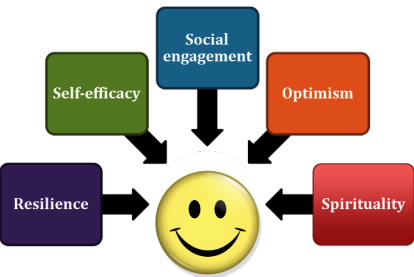
Research has shown that qualities like resilience and optimism are associated with living longer, having less pain and having greater ability to fight disease. Examples of traits that can be harnessed to promote wellness include:

positive-psychiatry
  • Resilience: positive adaptation to adversity
  • Self-efficacy: the ability to achieve a goal
  • Social engagement: close relationships with friends, family and community
  • Optimism: belief that things will improve and/or be successful
  • Spirituality: belief in a higher power, searching for meaning and purpose in life

What “treatments” are used in positive psychiatry to promote recovery?

In positive psychiatry, there are many different ways to help people recognize and use their strengths. The right path depends on the individual. Here are some examples:

  1. Change the way you think. This can involve things like goal setting, “practicing optimism” or keeping a gratitude journal.
  2. Get moving! Exercise has been shown to be just as effective for mental health as medications for things like mild depression and ADHD. Meditation and yoga are great for stress reduction and can help maintain a healthy immune system.
  3. Eat right. Junk food, processed meats and foods high in sugar have been associated with symptoms of depression. People who follow a “Mediterranean diet” have been found to have lower rates of depression and fewer problems with brain functioning as they get older.
  4. Practice good sleep hygiene. Establish a regular relaxing bedtime routine and avoid caffeine too close to bedtime. Check out more tips to improve your sleep from the National Sleep Foundation.
  5. Build social networks. Being involved in social or community activities or routine group activities has been shown to reduce anxiety and even chronic pain.
Posted in News & updates | Leave a comment

Music Therapy: Can It Really Reduce The Levels of Anxiety Among Patients?

For a lot of people, music therapy is an effective tool to make them feel better. While such claim has long been a mere opinion, a recent study has turned it into a fact that could help not just the emotionally challenged people, but also the ones that have physical illnesses to fight against. In the study, researchers have found that playing music while doing biopsy can reduce levels of anxiety.

According to Economic Times India, it was found that music was specifically helpful to breast cancer patients during biopsy for diagnosis and treatment. 207 women undergoing biopsy were chosen as the subjects of the study. The effect of live and recorded music on their anxiety levels was observed.

The subjects were divided into three groups: the control group, the recorded music group, and the live music group. The recorded music group was asked to listen to a recorded song on an iPod, while the live music group had a music therapist playing a live song at their bedside. The control group refers to the patients who did not listen to music during biopsy.

When compared to the control group, it was noticeable that the recorded music and live music groups experienced a huge reduction of anxiety by 42.5 per cent and 41.2 per cent. Researchers said the presence of a musical therapist can greatly help in the surgical setting, for music therapy may enhance the quality of patient care through collaborating with perioperative nurses.

The study was written in a paper published in the AORN Journal. According to Science Daily, it is a two-year randomized study regarding the effect of music on anxiety. The paper was written by two music therapists and a nurse anesthetist, who conducted the research at the University Hospitals Seidman Cancer Center.

The findings show that implementing music therapy programs has a significant effect on surgical patients. Music can indeed go far when it comes to giving benefits to numerous people.


Posted in News & updates | Leave a comment

Music, the Mind and Healing

You don’t need to be a musician to appreciate the significant impact music can have on our lives. Music can elicit strong memories, calm us, or energize a crowd. Many of us can name certain songs that bring up strong feelings or memories.

The varied benefits of music are well-known and the practice of music therapy has been around a long time. New research is bringing a greater understanding of the many ways music can help improve medical and mental health conditions and quality of life.

Music therapy is the clinical and evidence-based use of music interventions to address physical, emotional, cognitive, and social needs of individuals, according to the American Music Therapy Association. Music therapy can involve playing music, singing, creating music, moving to music, listening to music, or teaching a person to play music. Therapies can be tailored to address specific disorders or injuries.

Patients & Families

Learn about common mental disorders, including symptoms, risk factors and treatment options.

Learn More

Research has shown that when people listen to music that they prefer they have reduced the need for pain mediation, need less anesthesia, and experience less stress during medical procedures. Music can also help lessen the perception of pain and help alleviate depression in people experiencing chronic pain. Music is used to help people recover when they have lost speech ability because of a stroke or traumatic brain injury. Specific types of music therapy can foster development of alternative neural pathways in healthy parts of the brain when some parts of the brain are damaged.

Music therapy can also help stroke survivors recover motor skills, and the rhythm of music has been used to help people with Parkinson’s initiate movement. Music can increase the effectiveness of physical rehabilitation by helping to motivate people (similar to the way music can help motive you during exercise.)

Ani Patel, psychology professor and author of the “Music, Language and the Mind,” noted in a recent interview on the Diane Rhem show, “the great emotional power of music may be because it doesn’t just activate one emotion system in the brain, it seems to activate almost every single emotion system at the same time in ways that very few other things can.” Patel also noted that music is not a replacement for other treatments, but a way of enhancing aspects of healing.

music-and-the-mind-2.jpg

Music can help people with insomnia. A recent review of research found that music can improve sleep quality in people with insomnia and it has the advantage of being safe and easy to administer. For people with schizophrenia, music relaxation has been found to improve sleep and emotional measures, including depression and anxiety.

Participation in a 10-week group drumming program was found to improve depression, anxiety and social resilience among people receiving mental health services. The improvements were maintained at a 3-month follow-up.

Music has been used extensively to help people with dementia. Music can elicit both memories and emotions and can provide a connection and means of communication when other abilities (language, memory) are declining. Music therapy for people with dementia can reduce anxiety, depression and agitated behavior.

If you’re looking for more information on the power of music therapy or to find a music therapist see the American Music Therapy Association.

Posted in Coping mechanisms | Leave a comment