Let your emotions out affirmations

Present Tense Affirmations
I always express my emotions
I let others know how I am really feeling
I always speak my mind
I show the world who I truly am
I allow others to see the real me
I stand up for myself and tell people how I feel
I am in touch with my deepest emotions
I stand up for what I believe in
I am comfortable confronting others and telling them how I feel
I show my true self to family and friends


Future Tense Affirmations
I will let my emotions out
I am transforming into someone who is unafraid of being their true self
I will always express my opinion
I am finding it easier to tell others how I am feeling
I will always stand up for myself
I am developing the courage to show people the real me
It is becoming easier to say what I want
I will always tell others what I really think
Letting my emotions out is starting to feel normal
I will show people the real me


Natural Affirmations
Expressing my emotions comes naturally to me
I love sharing my feelings with others
Telling others what I think is important to me
Letting out my emotions is healthy
Expressing my emotions is improving the way I feel
I am the kind of person who just tells others how I feel and what I want
It is important that I voice my opinion
It feels good to show people the real me
I have the courage to be myself at all times
I stand up for what I believe in
Posted in Affirmations | Leave a comment

Guidelines for choosing a Cognitive Behavioral Therapist

After the decision to seek therapy has been made, an individual may feel unsure about how to choose a therapist. People seeking therapy often find that they have no standards to use in evaluating potential therapists. There are many competent therapists practicing therapy using different approaches.

The purpose of this guide is to provide you with information that might be useful in selecting a cognitive-behavior therapist. No guideline can provide strict rules for selecting the best therapist for a particular individual. We can, however, suggest questions you might ask and areas of information you might want to cover with a cognitive-behavior therapist you are considering seeing before you make a final decision.

What Is Cognitive-Behavior Therapy?

There is no single definition of cognitive-behavior therapy. Although some common points of view are shared by most cognitive-behavior therapists, there is wide diversity among those people who call themselves cognitive therapists, behavior therapists, or cognitive-behavior therapists. The therapists themselves may say they practice cognitive therapy, or behavior therapy, or cognitive-behavior therapy, or some other approach, all of which fall under the umbrella of CBT. The definition that follows is meant to give you a general idea of what cognitive-behavior therapy is. It is not, however, an absolute definition.

CBT is typically a short-term, problem-focused therapy that relies of scientific research. The focus is on the difficulties in the present, although in understanding these difficulties occasionally early life experiences are discussed. The goal of therapy is to teach the individuals to be their own therapists by providing strategies to evaluate their thinking and manage problematic behaviors. The emphasis is on providing you with the tools you need to make progress towards the goals you set.

Qualifications and Training Necessary for Particular Mental Health Professionals

Cognitive-behavior therapy can be done by a number of different mental health professionals. Competent cognitive-behavior therapists are trained in many different disciplines, and the distinction between different types of mental health professionals can sometimes be confusing. Therefore, we have listed below a brief description of the training received by different types of professionals who offer cognitive behavior therapy. Keep in mind that the emphasis on CBT during training will vary between the disciplines listed below.

Psychologists

Psychologists have doctoral degrees (Ph.D., Ed.D., Psy.D.) from graduate programs approved by the American Psychological Association and, soon, the Canadian Psychological Association. Clinical psychologists also have a one-year clinical internship, and one to two years of supervised postdoctoral experience is generally required to receive a license. Licensing or certification procedures vary and are the responsibility of state or provincial governing bodies.

Clinical Social Workers

A clinical social worker must have a college degree plus at least two years of graduate training in a program accredited by the Council on Social Work Education.

Certified social workers have a master’s or doctoral degree in Social Work (MSW, DSW, or Ph.D.) from a program approved by the Council on Social Work Education, have had two years of post-degree experience in the practice of social work, and must have passed an examination given by the Academy of Certified Social Workers (ACSW). Licensing procedures vary from state to state and province to province.

Psychiatrists

A psychiatrist must have a medical degree. Although, technically, an individual can practice psychiatry having had four years of medical school and a one-year medical internship, most psychiatrists continue their training in a five-year residency program in psychiatry. Psychiatrists who have Board certification have had two years of post-residency experience practicing psychiatry and must have passed an examination given by the American Board of Psychiatry and Neurology. But please note that the board certification for psychiatrists does not include any specifics about their training in or knowledge of CBT.

Professional Counselors

Professional counselors usually have master’s (M.E.D., M.A.E., M.A., or M.S.), specialist (Ed.S.), or doctoral (Ph.D. or Ed.D.) degrees from an accredited university. Certified counselors typically have graduate training in counseling, and must have passed an examination given by the National Board of Certified Counselors. Licensing procedures vary from state to state and province to province.

Practical Information About the Training

The degrees and training described above give some sense of what is required to get that degree, but no information at all about how the therapists approach their clients or treat their clients’ problems. That is covered a little below, but, it bears repeating: ask questions.

Practical Information About Therapists

You have the right to obtain the following information about any potential therapist. This information may be obtained from the referral person, over the phone with the therapist, or at your first visit with the therapist. Although you may not feel that all this information is relevant, you will need a substantial amount of it to evaluate whether a particular therapist would be good for you.

Your first session with a cognitive-behavioral therapist should always be a consultation. This session does not commit you to working with the therapist. The therapist will likely ask a number of questions to get a clear idea of the problem. The goals in the first session should be to find out whether this particular therapist is likely to be helpful to you and if you feel comfortable and confident with the therapist. During this session you may want to discuss the therapist’s approach to treating you, your goals for treatment, possible timetables, and potential pitfalls to these goals.

Questions to Ask When Deciding on a Therapist

A cognitive-behavior therapist will devote the first few sessions to assessing the extent and causes of the concerns you have. Generally, your therapist will be asking quite specific questions about the concerns or problems causing you distress and about when and where these occur. As the assessment progresses, you can expect that you and your therapist will arrive at mutually agreeable goals for how you want to change. If you can’t agree on the goals of therapy, you should consider finding another therapist.

The following are things you need to know about a prospective therapist:

  • Training and Qualifications


You should find out whether the individual therapist is licensed or certified by your state. If the person is not licensed or certified by your state or province, you may want to ask whether the person is being supervised by another mental health professional. Some clinicians will be certified in cognitive behavior therapy.

The emphasis on cognitive-behavior therapy varies within each discipline. As such, the amount of training or type of professional discipline will not provide information on the therapist’s familiarity and experience with CBT. Therapists with a strong foundation in CBT will not mind being asked questions about their qualifications and will freely give you any professional information that you request. If a therapist does not answer your questions to your satisfaction, or refuses to answer your questions, you should consult another therapist.

  • Fees


Many people feel uncomfortable asking about fees. However, it is important information that a good therapist will be willing to give a potential client. The following are financial questions you may want to cover with a therapist. This information may be obtained over the phone or during your first visit. You will want to know:

  • How much does the therapist charge per session?
  • Does the therapist charge according to income (sliding scale)?
  • Does the therapist charge for the initial session? (Since many therapists do charge for the initial session, you should get this information before your first visit.)
  • Is there a policy concerning vacations and missed or canceled sessions? Is there a charge?
  • Will your health insurance cover you if you see this therapist?
  • Will the therapist want you to pay after each session, or will you be billed periodically?

  • Other Questions


The following are other questions you may want to ask a therapist:

  • How many times a week will the therapist want to see you?
  • How long will each session last?
  • How long does the therapist expect treatment to last? (Some therapists only do time-limited therapy, whereas others set no such limits.)
  • What are some of the treatment approaches likely to be used?
  • Does the therapist accept phone calls at the office or at home?
  • When your therapist is out of town or otherwise unavailable, is there someone else you can call if an emergency arises?
  • Are there any limitations on confidentiality?

As Therapy Proceeds

Once the initial goals are decided upon, you can expect the therapist to discuss with you one or more approaches for helping you reach your goals. Central to cognitive behavior therapy is home-based work. Many other forms of therapy do not involve exercises between sessions but it is an important part of CBT. As CBT is a skills-based therapy, people will be required to practice these skills. This practice occurs at a pace that is individual to you. As you continue therapy, you can expect your therapist to consistently evaluate your progress toward the previously established goals. If you are not progressing, or if progress is too slow, your therapist will most likely suggest modifying or changing the treatment approach. At each of these points you may want to ask yourself the following questions:

  • Do you understand what the therapist has asked you to do?
  • Do the therapist’s instructions seem relevant to your objectives?
  • Do you believe that following these instructions is likely to help you make significant progress?
  • Has the therapist given you a choice of alternative therapy approaches?
  • Has the therapist explained possible side effects of the therapy?

What to Do If You Are Dissatisfied With Your Therapist


  • Talk With Your Therapist


People can feel angry or frustrated at times about their therapy. If you do, you should discuss these concerns, dissatisfactions, and questions with the therapist. A good therapist will be open to hearing them and discuss your dissatisfaction with you.


  • Get a Second Opinion


If you feel that the issues and problems you have raised with your therapist are not being resolved, you may want to consider asking for a consultation with another professional. Usually the therapist you are seeing can suggest someone you can consult. If your therapist objects to your consulting another professional, you should change to another therapist who will not object.


  • Consider Changing Therapists


Many people feel that it is never acceptable to change therapists once therapy has begun. This is simply not true. Good therapists realize that they might not be appropriate for every person.

The most important thing you need to ask yourself when deciding to continue with a particular therapist is, “Am I changing in the direction I want to change?” If you do not feel that you are improving, and if, after discussing this with your therapist, it does not appear likely to you that you will improve with this therapist, you should consult another therapist.

How to Get the Names of Cognitive-Behavior Therapists

If you don’t already have the name of a therapist, you might try some of the following suggestions:

  • Call us, the Association for Cognitive and Behavioral Therapies. ABCT is not a certifying organization, but ABCT provides lists of all full members by state and, in Canada, by province, including information on specialties and populations served. You might call persons listed to ask for a referral. Our referral is found at www.findcbt.org.
  • Each state or province will have a list of mental health providers separated by discipline (e.g., social workers, clinical counselors, psychiatrists and psychologists). Many of these professional organizations have a referral service.
  • Call the university psychology, social work, or medical school psychiatry departments in your area and ask for a referral. Ask to speak with someone in clinical or counseling psychology, or the chairperson of the department of psychiatry.
  • Call your local community mental health clinic. The clinic may have a cognitive-behavior therapist on the staff or be able to give you a referral.
  • Look in the National Register of Health Service Providers in Psychology, published by the Council of National Health Service Providers in Psychology, 1120 “G” Street, NW, Suite 330, Washington, DC 20005. Persons listed might be able to give you a referral.
  • Look in the National Association of Social Workers Register of Clinical Social Workers published by the National Association of Social Workers, 750 1st Street, NE, Suite 700, Washington, DC 20002. Persons listed might be able to give you a referral.
  • Ask for recommendations from your family physician, friends, and relatives.
  • Look at the American Board of Professional Psychology (click on Cognitive and Behavioral Psychology). This can be found at http://www.abpp.org.
  • Look at the Academy of Cognitive Therapy, which can be found at

Posted in News & updates | Leave a comment

Stress

Everyone experiences stress. Stress can come from anywhere: day-to-day activities, relationships, work, life changes, illness, even from fun events.

Everyone reacts differently to it. Many people don’t even know they are stressed until they begin to experience serious symptoms. Symptoms can be psychological, physical, or both.

What Are the Symptoms of Stress?

Symptoms can include irritability, lack of concentration, worrying, minor headaches, eating too much or too little, not sleeping well, lower back pain, rashes, an upset stomach or ulcers, migraine or tension headaches, high blood pressure, and chest pains, to name a few. Stress can also make physical problems worse, lower your resistance to disease, and affect how well your body responds to sickness and how well you recover from minor setbacks.

Stress affects us all in one way or another. Some people deal well with their stress. Some people have learned to identify their stressors (those things that cause people to feel stress) and deal with them appropriately. Unfortunately, many of us do not deal effectively with the stressors in our lives.

Stress Management Techniques

Things I Can Do on My Own

Do you work too much? Do you get so busy with the kids that you are too tired to go out and have fun or relax? Do you put things off until the last minute? Do you avoid dealing with problems? Do you feel stuck in your life? Do you plan too much but feel ineffective?

People can manage their own stressors by taking time out of their busy lives and identifying potential conflicts, changes, worries, or time constraints that they have. First, figure out what your stressors are; then, see if the stressor is within or outside of your control.

For example, if your job is based on deadlines, unless you decide to change jobs, the stressor is outside of your control. In this case, while you can’t control the stressors, you may be able to do things to make them more manageable. For instance, in a job with tight deadlines, you might schedule 5-minute breaks, just to catch your breath and relax. Also, you might try to get to bed earlier so that you are more refreshed and less tired; you might even try to delegate more or see if the work flow can be rearranged to make things move more smoothly. A key is to determine what is within your control to change and what isn’t, and then try to affect those things that are within your control.

What is within your control is what you do for yourself to help get rid of the stress on a regular basis. Some people work out at a gym, others meditate. So you can influence how stressors affect you. A lot of times it is something we are doing to ourselves that makes something even more stressful. In the example we just discussed, perhaps you did not take a break to eat a healthy lunch, or you are really mad that a co-worker left extra work for you, but feel there is nothing you can do about it. In the first example, you could try to schedule a break or eat more healthy snacks; in the second example, you could talk with your colleague about the extra work.

We all know about eating healthy, sleeping enough, exercising, relaxing, enjoying friends and family, and taking care of our bodies. However, many of us don’t do these things and, consequently, we add to our stress level. Some people can figure out what to do on their own, but many of us require a behavioral psychologist to help us put together our own unique program that matches our individual needs.

There are several techniques that can be taught by trained behavior therapists or cognitive behavior therapists to help you identify and effectively deal with your stress.

Therapy Techniques I Can Learn

There are many techniques available to manage stress. Below are some that are commonly used by behavior therapists to help their patients reduce stress. You and your therapist must thoroughly assess which of these would be most useful for your life and your unique stressors.

1. Progressive Relaxation Training and Controlled Breathing Techniques effectively reduce physical tension, anxiety, and overall stress level. Progressive Relaxation Training involves a series of exercises that train your body and mind to become gradually more relaxed. It requires an initial time investment, but, with practice, can be effective in reducing stress. Controlled Breathing requires less time at first, and works well with people who can clear their mind and learn to regulate their breathing, thus relaxing the rest of the body. Sometimes this is harder to do because many people who are used to being stressed tend to breath in a shallow and quick manner. Your therapist is trained to determine which individuals respond better to which treatment, and can also help determine which technique is likely to benefit you most. Some therapists may use biofeedback techniques to help determine which techniques work best for you.

2. Cognitive Restructuring works very well with accumulated stress and for people who tend to overreact or underreact to situations. In cognitive restructuring, your therapist will help you look at situations to see when you might be incorrectly viewing a problem and help you see the problem for what it is. For instance, many of us make assumptions or have unnecessary worries that go far beyond what the situation calls for. Your therapist can help you identify when your thoughts and feelings are inappropriate to the situation and when they actually contribute to your stress. They can teach you a method to catch yourself when you do it, and teach you how to use logic to revise your reaction to a level appropriate to the situation. This treatment works well for people feeling stuck in their lives, who fly off the handle, and who get upset even with little things. Because this technique teaches you to question how you think about things (or how you feel about things), this also helps people feel more comfortable standing up for themselves and about their ability to be effective in their own lives.

3. Assertiveness Training and Communication Skills Training can be used jointly with one of the above techniques or may be effective when used alone. Both techniques teach you how to deal with difficulties in a fair and tactful way, where everyone’s rights are considered. Many people avoid dealing with stressful situations, such as asking for more money or asking the *neighbors to keep their cat away from the bird feeder. They feel they have no right to ask for what they want, fear they will make matters worse, or fear rejection. Learning how to approach others, speak up for oneself, and use good speaking and listening skills can be extremely effective in reducing the stress that results from interacting— or the mere prospect of interacting—with others.

4. Problem-Solving Techniques are extremely helpful in combination with the above or on their own to help people, couples, groups, and families reduce stress. You learn techniques that help you focus on solutions instead of focusing on the problem. Because we often focus on the problem, rather than thinking of solutions, we increase stress and feel hopeless, helpless, or out of control. The therapist can teach you how to use these techniques and discover ways to focus on solutions, which will help overcome the stressors or, at least, minimize their effects.

Posted in News & updates | Leave a comment

Health Anxiety what is it

Health Anxiety: What Is It?

Anxiety is the body’s natural response to the perception of threat. Because most people consider their physical health to be of great importance, it is not surprising that most people experience anxiety about their health from time to time. Most people’s health anxiety is fleeting, in that reassurance from a medical professional alleviates any distress and worry.

Other people, however, experience anxiety about their health that is intensely distressing, frequent, and persistent. Such “clinical health anxiety” is especially common for people with psychological disorders such as illness anxiety disorder (IAD), obsessive-compulsive disorder (OCD), generalized anxiety disorder (GAD), panic disorder, or somatic symptom disorder (i.e., hypochondriasis, pain disorder). In health anxiety (which is not an official diagnosis itself), the person experiences excessive, unreasonable fears of, and a preoccupation with, having or acquiring a serious illness such as heart disease, cancer, or some other physical malady. The fear and anxiety is usually based on a misinterpretation of a harmless (or minor) bodily sensation (e.g., heart fluttering, dizziness, headache) and it persists in spite of appropriate medical evaluation and determination that no medical problem is present.

People with health anxiety typically engage in a number of behaviors to try to reduce their distress. Examples include frequently visiting doctors, excessively researching diseases and their symptoms on the Internet, repeatedly seeking reassurance from loved ones, and excessively checking and inspecting aspects of their body (e.g., lumps, moles) and its by-products (e.g., smell or color of excrement). Although medical reassurance and checking may temporarily reduce the health-related concerns, these behaviors do not usually quell the anxiety in the long run.

An alternative fear-reduction strategy used by some people with health anxiety is to avoid information related to illnesses (e.g., news segments about global pandemics) because of the intense distress that such information causes. They may also avoid hospitals and other important aspects of medical care (e.g., giving self-breast exams) out of fears of catching a disease or confirming their worst fears that a disease is present.

Health anxiety is not the same as “faking,” nor are those with health anxiety necessarily “crying wolf” to seek attention. Health anxiety exists on a continuum from mild to extremely severe. In the most severe instances, people with health anxiety cannot hold a job or sustain meaningful relationships. They might relocate to live close to medical centers, fearing that a serious illness or death could befall them at any point.

As mentioned above, health anxiety might be related to a number of psychological or medical conditions, including:

• GAD. People with GAD struggle with worries about many aspects of their life, often seeking reassurance to make life more bearable. Health is one of the possible areas of concern in this condition.

• OCD. OCD may include fears of contamination and illnesses similar to health anxiety. The two problems might also overlap in terms of checking and reassurance-seeking rituals.

• Panic disorder. People with panic disorder suffer panic attacks and thereafter have a tendency to misinterpret physical sensations (e.g., racing heart) as the symptoms of a serious medical problem (e.g., heart attack). The fears in panic disorder are usually of acute, immediate bodily sensations associated with physiological arousal, whereas worries in health anxiety tend to include a broader range of bodily sensations and diseases.

• Conversion disorder. People with conversion disorder usually report a loss of physical functioning (e.g., loss of movement and/or feeling in a limb) and other unexplained physical symptoms that can lead to fears regarding health status.

• Delusional disorder, somatic type. People with health anxiety may express strong conviction that they have medical maladies (even despite medical reassurance to the contrary), but at other times are able to consider the possibility that they are mistaken. People with delusional disorder, however, are more convinced that their health-related fears are realistic and are unable to consider alternatives. Somatic delusions, which are those focused on the body and its functions, also tend to be more bizarre (e.g., believing the body is infested with parasites) than the typical concerns in health anxiety.

• Depression. Some people with depression worry about their health and experience unexplained physical symptoms. These health concerns most often occur when depressive episodes are at their worst.

• Underlying medical condition. Just because someone has severe health anxiety does not automatically mean that they do not have any medical illnesses. Consequently, health care professionals should assess for underlying medical conditions (e.g., neurological or endocrine disorders) that may be causing the distressing physical symptoms. However, no more than routine medical assessment is necessary. Care should be taken not to fall into the trap of excessive medical reassurance seeking (and reassurance giving) as mentioned above.

Who Is Affected by Health Anxiety?

Lifetime prevalence rates of clinically severe health anxiety in the general population vary widely, ranging from .02% to 7.7%. This wide range is the result of the fact that estimates come from different types of samples. Prevalence rates are highest in primary care settings and among those who already have a bona fide medical condition (e.g., Crohn’s disease). Clinical levels of health anxiety affect men and women about equally and generally have an onset sometime in adulthood.

What Are Its Effects on the Sufferers and Their Loved Ones?

As mentioned, health anxiety causes significant distress and impairment in social, occupational, and other daily functioning. Those with overwhelming preoccupations about health status might frequently visit doctors to perform laboratory tests (e.g., echocardiogram) or seek medical reassurance (i.e., have the doctor tell them they are healthy), which can be quite costly over time. Significant others of those with health anxiety, such as friends, romantic partners, and family members, may also be affected. For instance, they may have to leave work in the middle of the day to take loved ones to medical appointments, contribute personal income to medical expenses, or experience relationship distress related to accommodating health-related requests (e.g., constantly providing reassurance, assisting with excessive decontamination rituals in the home).

Who Can Diagnose Health Anxiety?

It is important to consider health anxiety as a diagnosis when frequent and intense preoccupation with unexplained physical symptoms persists despite a thorough medical examination that fails to identify any disease or abnormality. In these instances, general practitioners may recommend seeing a psychiatrist, psychologist, or other mental health professional. These individuals will conduct a diagnostic assessment that may include certain questionnaires or an interview as well as a review of one’s medical records. Although many people referred for psychological assessment may understandably become frustrated, or even upset, that their doctor believes the problem is “all in their head,” it is important to remember that health anxiety is a valid—and treatable—condition.

What Treatment Options Exist for Health Anxiety?

Certain antidepressant medications can be helpful in reducing health anxiety symptoms, but the reasons that these medications work are presently not clear. Advantages of medication treatment include general safety and ease of use, as well as minimal time required for follow-up (i.e., one only needs to coordinate with prescribers for refills). Disadvantages of medication include limited expectations for improvement, the need to remain on these agents continuously, incurred financial costs over the long run, and possible short- and long-term side effects.

The first-line psychological treatment for health anxiety is cognitivebehavioral therapy (CBT). CBT is a skills-based approach that helps people learn to adopt different ways of thinking and behaving in response to health anxieties. CBT may involve education about how the body works, how diseases and illnesses affect the body, and how behaviors—such as checking, avoidance, and reassurance seeking—are not solutions to the problem. CBT also helps people with health anxiety to identify and challenge misinterpretations of benign bodily sensations as well as more deeply held maladaptive beliefs about health, illness, and medicine more generally. Exposure—a technique commonly used in CBT for health anxiety—also helps people to reintroduce feared or avoided stimuli (e.g., body sensations, places) and refrain from engaging in maladaptive health-related behaviors (e.g., body checking). In essence, CBT teaches the person to better manage their fear, which often leads to long-term fear reduction and improvement in life functioning.

Advantages of CBT include its general long-term effectiveness and relatively brief duration (usually 12 to 20 sessions). This treatment has been well studied and shown to improve health anxiety in the majority of people (although not all) who receive it. The main disadvantage of CBT is that it requires more effort than taking a medication. CBT asks clients to learn and practice alternative ways of thinking and behaving in response to their health anxiety, which takes some level of motivation and effort. A qualified mental health professional should be able to describe the advantages and disadvantages of each treatment approach in greater detail.

provided by http://www.mentalhealthsupportcommunity.com open chat live forum board and news letters sent out weekly

Posted in News & updates | Leave a comment

Mindfullness

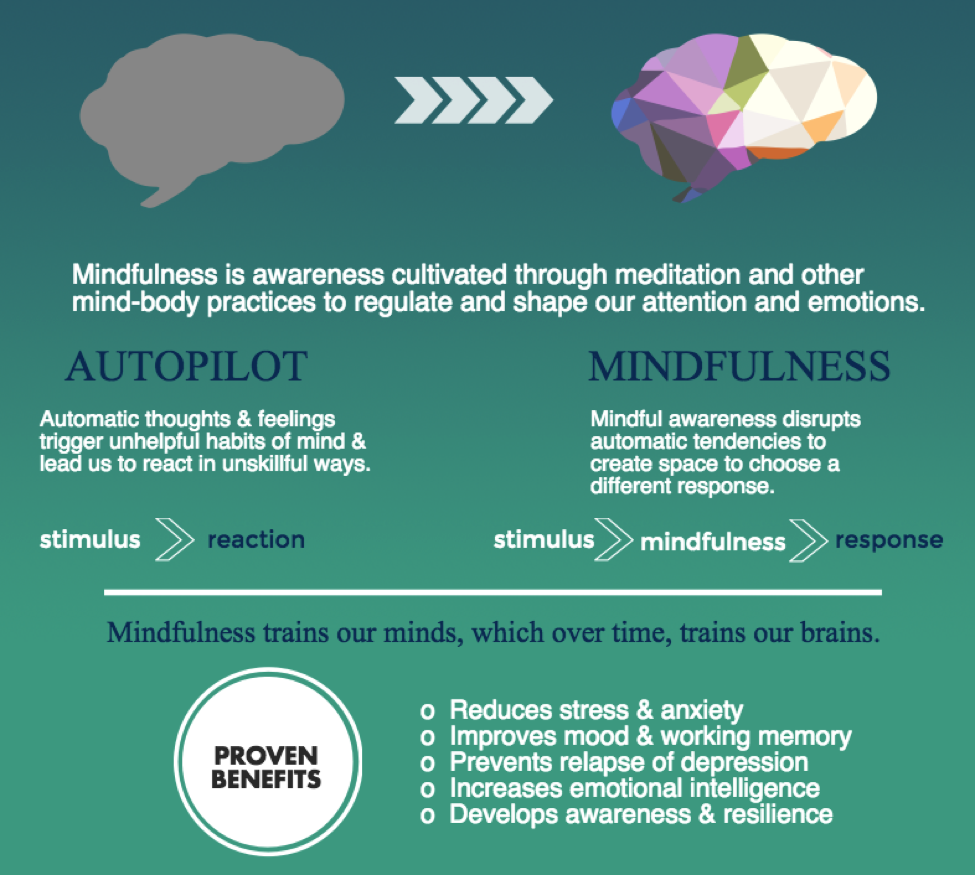
Mindfulness is a way of paying attention to whatever is happening in our lives, inside and out, in the present moment. When we connect with the present, we become aware of habitual patterns of thought, emotion and behaviour.

With mindfulness, we train ourselves to pay close attention to what is going on in the present moment; just as it is. Much of our suffering is a result of regrets about the past, worries about the future or judgments about the present. When we are mindful we become aware of and explore these habitual thought patterns and ways of reacting. This attitude of curiosity allows us to create new and healthier ways of responding to life’s challenges.

Mindfulness is not a religion—anyone, with any belief system, can enjoy its benefits, many of which are based in research.

Mindfulness is the awareness that emerges from intentionally training to regulate our attention and emotion and a willingness to encounter, at least temporarily, whatever is arising so we can come to fully know our direct experience.Dr. Patricia Rockman

what_is_mindfulness

How is mindfulness practised?

Mindfulness practice, like physical exercise, requires repetition and time to produce noticeable changes in everyday life. Over time, thanks to neuroplasticity, practising mindfulness can change the physical structure of one’s brain.

Mindfulness is practised mainly through consciously focusing one’s attention on a particular object, such as the breath, body, emotions, thoughts, or sounds, or by bringing an open and receptive attention to the coming and going of thoughts, emotions, and physical sensations.

The opposite of mindfulness is forgetfulness, wandering attention, or autopilot. A Harvard study found people’s minds are wandering an average of 47% of the time, and that “a wandering mind is an unhappy mind.”

When practising mindfulness, the attention will naturally be pulled to stimuli that are greater than our capacity to stay focused on a chosen object (e.g. breath or body sensations). This will happen again and again. At some point, we notice or wake up to the fact that our attention has moved into such places as daydreaming, our to-do list or a recent argument with a friend. This is the crucial moment when one crosses over from automatic pilot to mindful awareness. Only then can we bring our attention back to our intended object of focus. This act of returning our attention, over and over again, is the central practice, the thing that builds our mindfulness.

Is there evidence supporting the benefits of mindfulness?

The beneficial effects of meditation and mindfulness-based therapies are supported by a growing body of evidence. Over two decades of clinical research has shown that it can benefit people suffering from anxiety, recurrent depression, chronic pain, substance abuse and other conditions. Benefits include:

  • Stress reduction
  • Reduced rumination
  • Decreased negative affect (e.g. depression, anxiety)
  • Less emotional reactivity/more effective emotion regulation
  • Increased focus
  • More cognitive flexibility
  • Improved working memory
Posted in Coping mechanisms | 1 Comment