What To Do In A Crisis
The first objective in a mental health crisis is to make sure everyone is safe – you, your family, others in the community and the person in distress. This is best accomplished by making sure the person in crisis is seen by a mental health professional, who can assess his or her condition and the potential for harm to self or others.
IF YOU OR OTHERS ARE IN IMMINENT DANGER, CALL 911 IMMEDIATELY.
If your instincts tell you a situation is dangerous, it probably is and you should call 911 immediately. If there is no immediate threat of danger, it is still important to make sure the person is seen by a mental health professional. Several options exist to help a loved one in crisis or approaching crisis get the appropriate help and care:
Call the person’s doctor, psychiatrist, clinic, therapist or other professional who may already be working with him or her. This is the preferred option when you are concerned about someone and there is time to formulate a response plan, and you do not believe he or she is an immediate threat to self or others. Even when there is not time to set up an appointment, a doctor can help by ordering immediate medication changes or bypassing the hospital emergency departments for direct admission to an inpatient unit. This option works best when there is a signed release for you to speak with health professionals, or some form of guardianship. But even without informed consent, you can still alert professionals to your concerns.
Make a first appointment with a private practitioner, clinic, or other outpatient provider. If the situation is not urgent, you may still be able to pursue an outpatient option by making an intake appointment with a local community-based provider. This could be a way to help someone in the early stages of an impending crisis without involving more intrusive emergency or crisis services. An RtoR Resource Specialist can help you identify Family-Endorsed mental health professionals and programs in your area that might be available to help. For more information, Contact a Resource Specialist.

Call the 2-1-1 Information Line.
2-1-1 is a three digit phone number that connects callers to information about critical health and human services available in their communities. This call-in service is available in 47 states, including the four states in the RtoR service area (CT, MA, NJ, NY). In some states, like Connecticut, 2-1-1 provides additional services, such as mobile crisis intervention for children and adolescents in mental health crisis and centralized intake for homeless individuals and families seeking emergency shelter and housing. Regional and state 2-1-1 organizations may provide additional direct services, such as mobile crisis response for children and youth. For more information on this service in the state of Connecticut go here: 2-1-1
Call a hospital to hold an inpatient bed. If you believe your loved one requires inpatient treatment and he or she is willing to be voluntarily admitted, it may be possible to reserve a bed in a local psychiatric hospital or unit of your choice. In this scenario you will probably need a treating doctor or clinician to make a referral and you may have to provide your own transportation to the hospital. If privately insured, it is a good idea to call the insurance carrier ahead of time for a list of inpatient services and providers covered by your plan. Many private psychiatric hospitals have direct admission policies for voluntary patients, which make it possible to bypass hospital emergency departments.
Patient preference is a big factor in whether or not people follow through with treatment, so it is always worthwhile to try for voluntary admission whenever possible. Direct admission is often quicker, more respectful and humane, less stressful for patient and family, and potentially much less traumatizing than admission through a hospital emergency department. Open beds at the best inpatient facilities are often limited, so you may have to call a few days prior to admission to reserve a space. An RtoR Resource Specialist can help you identify Family-Endorsed inpatient options in your area. For more information,Contact a Resource Specialist.
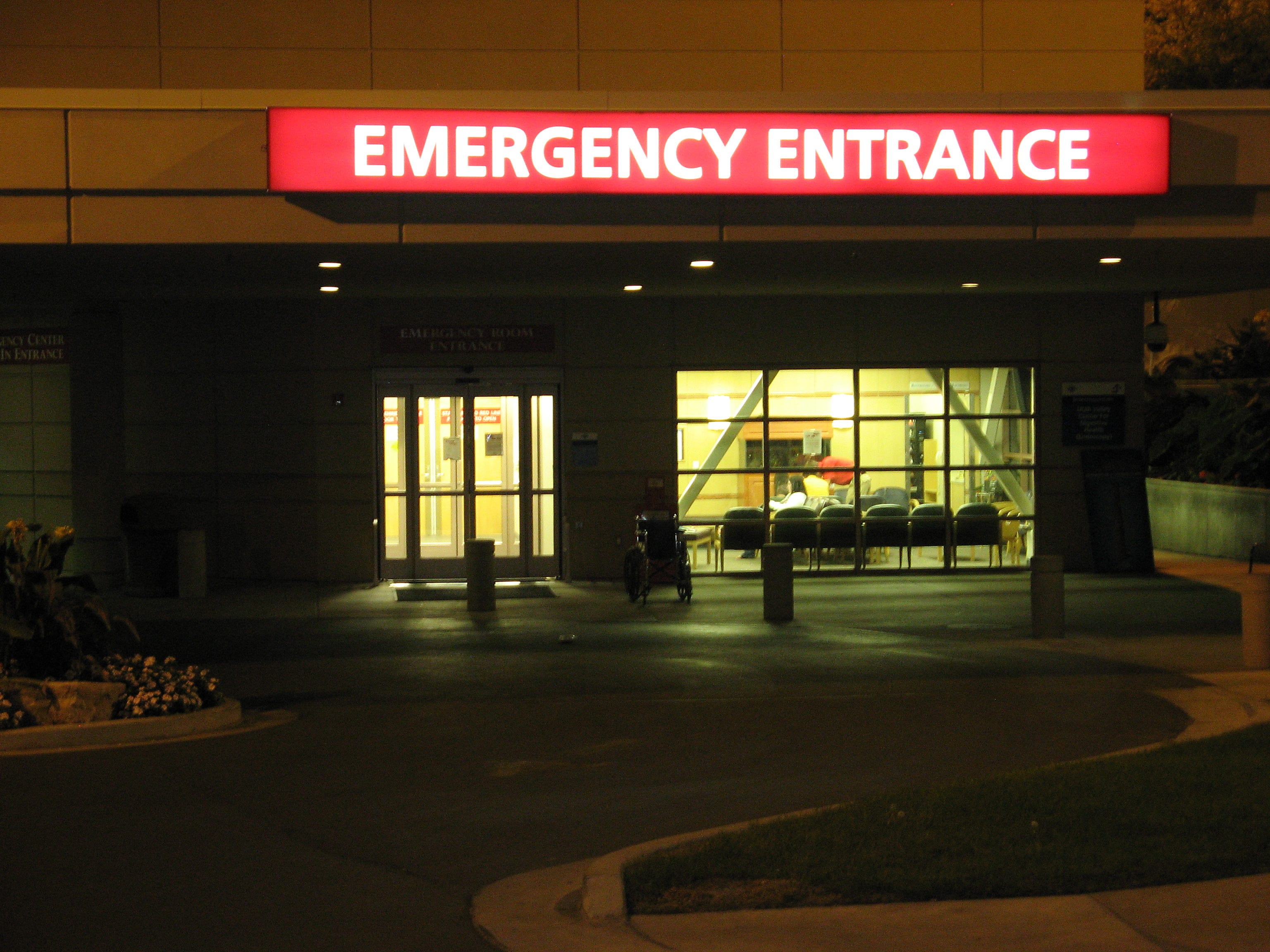
 Transport the person to a hospital Emergency Department. Hospital EDs are a main point of entry to inpatient mental health care. EDs have the means to safely stabilize patients in acute crisis prior to transfer to inpatient care. But wait times can be very long (in some cases days) and the busy ED environment can be unsettling to many patients in crisis. For this reason, you might consider trying outpatient treatment or direct admission to a psychiatric unit first, if either is an option.
Call the local crisis service. For those cases when a person resists or refuses treatment, but is not an immediate threat to self or others, your community’s local crisis service may be able to help. These services offer a form of intensive, short-term counseling for the purpose of stabilizing or preventing a crisis or potentially dangerous mental health condition, episode or behavior. Many communities have a “Crisis Team” staffed by professionals trained to respond to crises and perform screening, triage, assessment, and counselling to stabilize or prevent a crisis situation. Sometimes these services are provided by phone or in a health care setting, but many towns and cities have mobile teams that to go outbound into the community, private homes and places of business. Crisis teams often work together with police and EMS, and can often arrange for a person’s transfer to an Emergency Department or inpatient unit, with or without his or her consent, depending on the situation.

Call the National Suicide Prevention Lifeline (1-800-273-TALK). Although identified as a suicide prevention service, the Lifeline is actually a good resource for all types of mental health crises. The national line routes callers to the closest center in their network. The centers can provide information on a variety of mental health resources in the area, not just those related to suicide prevention. The National Lifeline is a good option to call in a crisis when local crisis services are unavailable.
Call 911. In a true mental health emergency or crisis, if you believe that you, the person in question, or anyone else is threatened, call 911 immediately. Once 911 has been called and police or other responders arrive on the scene, you do not control the situation. You can encourage officers to view the situation as a mental health crisis, not a crime, and respectfully express your views on the outcome you desire, but you should not interfere with responders in the performance of their duties.

If You Call 911*
The Treatment Advocacy Center, a national nonprofit dedicated to eliminating barriers to the treatment of severe mental illness, has developed guidelines for calling 911 in a mental health emergency. You can read more about what to do in a mental health crisis on the Center’s Respond In A Crisis page.
ASK who in the department is trained to deal with people who are having a mental health crisis. For example: “I am calling about an emergency involving mental illness. Do you have someone assigned to handle mental health emergencies?”
MAKE IT CLEAR it clear that you are calling about someone having a psychiatric crisis. For example: “My daughter has bipolar disorder, she is not taking her medication and she is manic.”
DESCRIBE the behavior you are seeing that most closely matches the laws in your state that are used to hospitalize someone for emergency psychiatric care or to initiate civil commitment proceedings. For example, don’t say, “My son is a danger to self.” Say, “My son says he is going to blow his brains out and I know he has a gun in his car trunk.” Or, “My daughter is setting fire to wastebaskets all over the house.”
EXPLAIN why you cannot handle the situation yourself. For example: “I am frightened he will hurt me,” or “She is throwing things at the walls and I cannot get her into a car.”
BE VERY CLEAR that you are seeking involuntary psychiatric hospitalization and NOT arrest.
TIPS for Using Crisis Services
 Seek voluntary participation in treatment
- Write a crisis intervention plan
- Enlist supporters
- Call ahead to reserve a bed
- Be prepared
- Take action early
- Ask for CIT-trained responders
- Stay calm
Seek voluntary participation in treatment. If possible, encourage the person in crisis to seek voluntary treatment, as this helps preserve self-respect and dignity, preserves family ties, and leads to better recovery outcomes.
Write a crisis intervention plan before an actual crisis occurs. The plan should describe the steps to take and people to contact in a mental health crisis, stored in a binder with the following information:
- Current diagnosis and diagnostic history.
- History of hospitalizations and other treatments.
- List of current medications and dosages, with past medication history, if possible.
- Copies of all service plans, assessments, and evaluations, including school IEPs and 504 plans.
- Names and contact information for all mental health professionals and agencies working with the person.
- Insurance information and copy of the insurance card.
- The plan might also contain a description of specific warning signs or triggers for the person, preferred treatment strategies and choices, coping mechanisms and strategies for managing behaviors, and a list of people and organizations the person and family can turn to for support in a crisis.
Obtaining signed releases of information in advance of a crisis, authorizing you to speak with health professional, will greatly facilitate this process. Parents of children with serious and persistent mental health issues might even prepare a crisis kit containing the binder, crisis plan, change of clothing, pajamas, basic hygiene supplies, and a favorite stuffed animal.
Enlist Supporters. Another proactive measure is to identify and recruit extended family members, friends or neighbors who can help out in a crisis before the need arises. Family supporters can reinforce messaging to the person in crisis, help make sure everyone is safe and other family members are looked after, and provide respite for primary caregivers. A blog post of 12/8/14, When Parents Reach Their Limits: Recruiting Parent Supporters… covers this topic in greater detail.
Call ahead to reserve a bed at a psychiatric hospital. This can prevent long wait times in uncomfortable emergency departments and help ensure that your loved one is admitted to the inpatient setting of choice. This is also a good time to call the insurance company regarding care and covered services. An RtoR Resource Specialist can help you identify Family-Endorsed inpatient options in your area. For more help, Contact a Resource Specialist.
Be prepared with information about the person’s diagnosis, the reasons for your concerns, medications and recent treatment history, risky or unusual behaviors, triggers, and any calming or soothing strategies that may work for him or her.
Take action early. If you need assistance from local crisis, place the call as early in the week and as early in the day as possible. Many crisis teams have limited resources and are available only during normal business hours. The first three calls of the morning can tie up a single mobile outreach team for the rest of the day. If you see signs on Thursday morning that a loved in headed for a crisis, you might want to call then rather than wait until the crisis arrives on Friday afternoon, when a mobile team will be unable to visit until Monday morning.
Ask for CIT-trained responders. Emergency responders, such as police and EMS personnel, are often dispatched with mobile crisis interventions teams. Although the clinicians on these teams are highly skilled with specialized training in psychiatric crisis response, the emergency responders often are not. You can often improve the response and avoid escalation of the crisis by requesting emergency responders who have been trained and certified in CIT (Crisis Intervention Team training).
 Stay calm. A person in a state of crisis might not be able to think or communicate clearly. You can help prevent an escalation of the crisis by empathizing with the person’s feelings and staying calm while you wait for responders to arrive. NAMI of Minnesota recommends using the LEAP (Listen-Empathize-Agree-Listen), which was developed for mental health professionals, responders and family members to respond to people in psychiatric crisis. NAMI Minnesota also offers this list of De-escalation Techniques that may be helpful in a crisis…
Tips for De-escalating a Crisis
- Keep your voice calm
- Avoid overreacting
- Listen to the person
- Don’t argue or try to reason with the person
- Express support and concern
- Avoid continuous eye contact
- Ask how you can help
- Keep stimulation level low
- Move slowly
- Offer options instead of trying to take control
- Avoid touching the person unless you ask permission
- Be patient
- Gently announce actions before initiating them
- Give the person space