Hypomania And Hypomanic Episodes Defined

Not everyone who becomes manic experiences the full-blown syndrome of a manic episode. Hypomanic individuals show an expansive, energized and sometimes elated mood, with rapid thinking and pressured speaking in evidence. At a minimum (for the label hypomania to be appropriately applied), this expanded mood state must persist for at least four straight days.

As is the case with manic episodes, hypomanic episodes are also characterized by the presence of characteristic symptoms. At least three of the following must be present (for at least four days) before the diagnosis of hypomanic episode is appropriate:

  • an inflated or expansive and even grandiose (but not delusional; not completely out of touch with reality) sense of self
  • reduced sleep needs compared to normal
  • talks more than usual
  • subjective sensation of racing thoughts (often called a “flight of ideas”)
  • distraction or derailment of thought occurring significantly more often than normal
  • an increase in goal-directed activity, or physical agitation
  • a marked increase in participation in risky but pleasurable behavior (such as unprotected sex, gambling, unrestrained shopping, etc.)

You’ll notice that these are essentially the same criteria that are applied to manic episodes. What is suggested (and what is intended) by this duplication of criteria is that what separates a hypomanic episode from a manic episode is mostly the degree of intensity (or energy) present in the behaviors the manic person emits (and not in their variety). When the observed energy level is above average but still within normal limits, you have a hypomanic state on your hands. When the energy level goes off the normal scale entirely, you have a manic episode.

People experiencing a hypomanic state are not necessarily unrelentingly sunny in disposition; they may experience irritable mood states too, as is also the case with full manic episodes. However, whatever level of irritability may be present during a hypomanic episode is by definition nowhere near as severe as what might occur during a fully manic episode.

Since hypomania is less severe than mania, people experiencing a hypomanic episode may retain sound judgment and not engage in self-destructive behavior. In fact, their sharpened intellect and ability to function with little sleep contributes to hypomanic individuals’ increased productivity compared to non-manic people. This is to say, hypomania can create a distinct advantage in the workplace, because it helps people to be maximally productive and get more things done than their peers. This positive aspect of hypomania is often seen as a benefit by people who have bipolar disorder. Hypomanic individuals are likely to be creative risk-takers, who can bring creative ideas to fruition. Numerous historical and contemporary figures, including composer Ludwig van Beethoven, pioneering physicist Issac Newton, authors Charles Dickens and Edgar Allen Poe, artist Vincent van Gogh, statesmen Abraham Lincoln, Winston Churchill and Theodore Roosevelt, and media mogul Ted Turner have been documented to have experienced severe and debilitating recurrent mood swings. Some authors (e.g., John Gartner, MD [Hypomanic Edge] have even suggested that America’s unique entrepreneurial character and spectacular economic achievements achieved over the last century are due in large part to a high incidence of hypomania among American entrepreneurs. While we can neither confirm or discard this interesting speculation, we can say that there is more to hypomania than a simple business advantage. When you are hypomanic on a regular basis, you have a mild form of what can be a disabling illness. There is no guarantee that your hypomania will stay stable as hypomania. When left untreated, the underlying causes that produce hypomania can and do sometimes worsen until full manic episodes occur.

Posted in News & updates | Leave a comment

Movement On An Energy Continuum: Bipolar Disorder, Mania And Manic Episodes

Although popular culture tends to equate mania with happiness and depression with sadness this isn’t really the best way to think about what is happening in bipolar disorder. Bipolar Disorder involves not so much a swing between happy and sad states, as it does a swing between high and low energy states. When in a high-energy state, people appear happy because they are motivated and excitable, whereas in a low energy state, people feel sad, and lack motivation and enthusiasm. As the energy level of a manic episode increases, the early happy mood tends to degenerate into a more agitated and psychotic state which may be experienced more as terrifying than happy, but which is nevertheless very energizing. Similarly, as a depressive mood state increases, people may go from merely feeling badly about themselves to literally not being able to leave their bed. Thus, the happy and sad moods that are thought to characterize mania and depression respectively are results of different energy states and not necessarily primary features of the disorder.

The high and low energy states characteristic of bipolar disordered moods are often thought of as places that exist upon a continuum of energy levels. Manic moods are characterized by high energy states, while depressive moods are characterized by low energy states. As bipolar moods shift from depressed to manic and back to depressed again, part of what is happening, according to this way of seeing things, is that there is a smooth shifting of the bipolar person’s energy state moving up and down the energy continuum. Each end of this energy continuum can be considered to be a pole, or end point (in the same way that the North and South Poles are the end points of the earth), hence the origin of the term “Bipolar” (meaning, involving movement between two poles).

Mania and Manic Episodes

Because high-energy manic states exist on a continuum, it is possible for someone to be a little manic or very manic. People who are very manic are said to be experiencing a manic episode. People who are only a little manic are said to be experiencing a Hypomanic Episode. The term ‘hypo’ means “under”, so the term “hypomanic” translates to “less than fully manic”.

There are defined criteria (in the DSM) that must be met in order to say that someone is experiencing a full manic episode. For example, manic episodes must be present for at least one week’s duration before they can be diagnosed (although they may last far longer than that). Up to several months duration are possible.

A variety of symptoms are possible during a manic episode. At least three of the following symptoms need to be present before the diagnosis can be made:

  • an inflated, expansive, grandiose (and possibly delusional) sense of self
  • reduced sleep needs compared to normal
  • pressured speech (talking so fast the words don’t have time to get out the mouth)
  • subjective sensation of racing thoughts (often called a “flight of ideas”)
  • distraction or derailment of thought occurring significantly more often than normal
  • an increase in goal-directed activity (purposeful behavior), or physical agitation
  • a marked increase in participation in risky but pleasurable behavior (such as unprotected sex, gambling, unrestrained shopping, etc.)

Manic episodes typically do not come on all at once. Rather, there is a progression of manic symptoms that occurs over a period of time. During an early manic phase of a bipolar condition, a person may become highly energetic, have a million ideas, become very talkative, stay up all night, feel sexually and generally potent, and become very productive. As the manic episode progresses and gains in strength, manic individuals tend to lose their inhibitions and whatever judgment they might normally have, and pursue one or more ill-advised and risky, but immediately pleasurable courses of behavior. Severely manic people may become sexually promiscuous, for instance, leading their becoming pregnant (or impregnating someone else) or becoming infected with a sexually transmitted disease. They may spend impulsively on shopping, travel, gambling, or drugs, causing massive credit card debts, and leaving a trail of bounced checks and large cash withdrawals from the ATM in their wake. In their enthusiasm to socialize, manic people may chatter on and on about things that are inappropriate to share with strangers, (e.g. personal beliefs, sexual experiences, etc.) They may also display inappropriate anger, or agitation, and even lash out and become violent in some cases. For example, a manic individual in a bar might pick a fight with little provocation. In the most severe cases of mania, hallucinations, delusions, and outright psychosis occur, further complicating the situation. The inappropriate and out-of-control behavior characteristic of people experiencing a manic episode makes the costs associated with mania sometimes devastatingly high.

Posted in News & updates | Leave a comment

Understanding Mood Episodes In Depression

The American Psychiatric Association publishes the Diagnostic and Statistical Manual of Mental Disorders (DSM), which describes the criteria necessary for the diagnosis of all mental disorders, including Major Depression. In the DSM, Major Depression appears as a member of the Depressive Disorders category, which also includes the Bipolar Disorders, Dysthymic Disorder, Cyclothymia and Depressive Disorder Not Otherwise Specified. These various mood disorders are all similar in that they all have something to do with disordered mood, and more specifically, with depressed mood. They are distinguished by the extent and severity of a person’s mood disturbance, and by the direction (up or down) of the moods involved.

Here is a key point: The mood disorder diagnoses are essentially defined as patterns of mood disturbances observed through time. Clinicians choose from among the various mood-related diagnoses on the basis of their observation of patients’ sequence of mood episodes. Most people with mood disorders will have (or have already had) a history of multiple mood episodes. Individual mood episodes last for several weeks or months and then give way to normal mood, or to another mood episode.

In order to fully understand how mood disorders are defined, you first have to understand the concept of mood episodes. There are four kinds of mood episodes described in the DSM: Major Depressive, Manic, Hypomanic, and Mixed. Major Depressive episodes are characterized by the classic symptoms described above. Manic episodes are characterized by a persistently elevated, expansive, or irritable mood, lasting at least 1 week (or any duration if hospitalization is necessary). In addition, three (or more) of the following symptoms must be present (four symptoms must be present if the person’s mood is only irritable):

  • Inflated self-esteem or grandiosity
  • Decreased need for sleep (e.g., feels rested after only 3 hours of sleep)
  • More talkative than usual or pressure to keep talking
  • Racing thoughts
  • Distractibility (i.e., attention too easily drawn to unimportant or irrelevant external stimuli)
  • Increase in goal-directed activity (either socially, at work or school, or sexually) or feelings of agitation/restlessness
  • Excessive involvement in risky activities (e.g., shopping sprees, sexual indiscretions, or foolish business investments)

Hypomanic episodes are a milder form of manic episodes. Both share the same list of symptoms described above. However, the DSM criteria for Hypomanic episodes state that the person’s mood disturbance occurs throughout at least 4 days (rather than 1 week as with a Manic Episode).

Mixed episodes are essentially a combination of manic and depressive episodes that become superimposed so that symptoms of both are present (at different times) during the same day. More specifically, the criteria are met both for a Manic Episode and for a Major Depressive Episode nearly every day during at least a 1-week period.

Major Depression is a distinct and separate condition from Bipolar Disorder and the other mood disorders. By definition, people diagnosed with Major Depression show only a history of one or more major depressive episodes. People with Major Depression never have a history of manic or mixed episodes, and neither do they show signs of hypomania. People with Major Depression also have relatively severe mood symptoms. People who show signs of depressive mood on a regular basis but who do not meet the formal criteria for a depressive mood episode cannot be diagnosed with Major Depression. Such individuals will instead tend to have some other mood diagnosis, such as Dysthymic Disorder.

In this article, we focus on the Unipolar forms of depression; namely Major Depressive Disorder, Dysthymic Disorder, and Depressive Disorder Not Otherwise Specified. The other mood disorders tend to be variations on the theme of bipolar disorder and are discussed in our Bipolar Disorders Topic Center. Throughout our discussion it is important to keep in mind that the term “depression” is not particularly specific. There are multiple kinds of depression; and the diagnosis of a particular disorder varies depending on the severity, duration, and persistence of symptoms.

Posted in News & updates | 2 Comments

Classic Symptoms Of Major Depression

Major Depression

The classic symptoms of Major Depression are described in the Diagnostic and Statistical Manual of Mental Disorders (DSM-IV-TR)*, the widely accepted standard guidelines for psychiatric diagnoses. Symptoms associated with Major Depression cause clinically significant distress and impairment in social, occupational, or other areas of functioning.

Major Depression

Major Depressive Disorder (MDD) Criteria

A person is diagnosed with Major Depressive Disorder (MDD) when they experience five or more of the following symptoms nearly every day for the same two-week period, and at least one of the symptoms is depressed mood or loss of interest or pleasure:

  • Difficulty sleeping or excessive sleeping.
  • Fatigue and lack of energy.
  • A dramatic change in appetite resulting in a 5% change in weight (gain or loss) in a month.
  • Feelings of worthlessness, self-hate, and guilt.
  • Inability to concentrate, think clearly, or make decisions.
  • Agitation, restlessness, and irritability.
  • Inactivity and withdrawal from typical pleasurable activities.
  • Feelings of hopelessness and helplessness.
  • Thoughts of death or suicide.

Variations of Depression

Depressive symptoms can vary tremendously from one individual to the next. While one depressed person may experience feelings of sadness, hopelessness, and helplessness, another may feel angry, irritated, and discouraged.

  • Depressive symptoms may also seem like a change in someone’s personality.
    • For example, a typical person might begin to lose his or her temper about things that normally would not be troubling to him or her.
  • Depressive symptoms can also change across the course of the illness; someone who is initially withdrawn and sad can become highly frustrated and irritable as a result of decreased sleep and the inability to accomplish simple tasks or make decisions.

When Major Depression is severe, people may experience psychotic symptoms, such as hallucinations and delusions.

  • Hallucinations are “phantom” sensations that appear to be real even though they are not caused by real things in the environment.
  • Hallucinations may occur within any sensory realm (including sight, sound, taste, smell and touch), and can be very convincing (as well as disturbing) in their reality.
  • The most common form of hallucination is auditory; involving hearing voices of people who are not actually present.

Delusions are very strongly held false beliefs that cause a person to misinterpret events and relationships.

  • Delusions vary widely in their themes; they may be:
    • Persecutory (someone is spying on or following you).
    • Referential (a t.v. show or song lyrics contain special messages only for you).
    • Somatic (thinking that a body part has been altered or injured in some way).
    • Religious (false beliefs with religious or spiritual content).
    • Erotomanic (thinking that another person, usually someone of higher status, is in love with you).
    • Grandiose (thinking that you have special powers, talents, or that you are a famous person).

When someone is depressed and experiencing psychotic symptoms, the content of hallucinations and delusions is usually consistent with a depressed mood and focuses on themes of guilt, personal inadequacy, or disease.

  • For instance, depressed people might truly believe that they are not able to perform their job or their parenting duties because they are inadequate (a feeling that may be reinforced by voices telling them that they are inadequate) and that everyone is snickering at them behind their back.
  • A depressive episode that involves psychotic symptoms can be particularly problematic because a person can lose the ability to discriminate between real and imagined experiences.

Video: What is Depression?

Below is a TED Ed video by Helen M. Farrell on the symptoms of depression, its possible causes, and a few available treatment options.

Posted in News & updates | Leave a comment

Major Depression And Other Unipolar Depressions

This section will focus mainly on Major Depressive Disorder (MDD), commonly referred to as “Major Depression” or simply, “Depression.” Other mood-related conditions will be explored, including Bipolar Disorders, Dysthymic Disorder, Anxiety Disorders, Seasonal Affective Disorder, Mood Disorder Due to a General Medical Condition, Substance-Induced Mood Disorders, Premenstrual Dysphoric Disorder, Schizoaffective Disorder, and Personality Disorders. This section will discuss historical understandings of depression, current biological, psychological, and social interpretations, and a range of available treatments. Use the sidebar to explore all of these topics.

  1. Depression is More Than Just Sadness
  2. Depression is Complex and Affects Many Areas of Life
  3. A Continuum of Mood States
  4. Depression Has Widespread Effects
  5. Understanding Depression

Depression is More Than Just Sadness

Woman paranoidEveryone has days where they feel blah, down, or sad. Typically, these feelings disappear after a day or two, particularly if circumstances change for the better. People experiencing the temporary “blues” don’t feel a sense of crushing hopelessness or helplessness, and are able, for the most part, to continue to engage in regular activities.

Prolonged anhedonia (the inability to experience pleasure), hopelessness, and failure to experience an increase in mood in response positive events rarely accompany “normal” sadness. The same may be said for other, more intense sorts of symptoms such as suicidal thoughts and hallucinations (e.g., hearing voices). Instead, such symptoms suggest that serious varieties of depression may be present, including the subject of this document: Major Depressive Disorder (MDD) or (more informally), Major Depression.


Depression is Complex and Affects Many Areas of Life

For people dealing with Major Depression, negative feelings linger, intensify, and often become debilitating.

Major Depression is a common yet serious medical condition that affects both the mind and body. It is a complex illness, creating physical, psychological, and social symptoms. Although informally, we often use the term “depression” to describe general sadness, the term Major Depression is defined by a formal set of criteria which describe which symptoms must be present before the label may be appropriately used.

Major Depression is a mood disorder. The term “mood” describes one’s emotions or emotional temperature. It is a set of feelings that express a sense of emotional comfort or discomfort. Sometimes, mood is described as a prolonged emotion that colors a person’s whole psychic life and state of well-being. For example, if someone is depressed, they may not feel like exercising. By not exercising for long periods of time, they will eventually experience the negative effects of a sedentary lifestyle such as fatigue, muscle aches and pains, and in some cases, heart disease.


A Continuum of Mood States

Many people are puzzled by the term “Unipolar Depression,” which is another term for Major Depression. The term “Unipolar Depression” is used here to differentiate Major Depression from the other famous sort of depression, Bipolar (or Manic) Depression, which is a separate illness.

It is helpful to think of mood states as occurring on a continuum. During a particular day or week, people can shift from good (or “up”) moods, to bad (or “down”) moods, or remain somewhere in the middle (“neutral” mood). A person who experiences significant impairment related to shifting between up and down moods often has Bipolar Disorder (discussed in more detail later). Bipolar Disorder can be envisioned as a seesaw movement back and forth between two poles or mood states (“bi” means “two”). In contrast to people with Bipolar Disorder, people with Major Depression remain on the down mood pole; they do not exhibit mood swings. Because they are stuck on the down or depressed end of the mood continuum; they experience a unipolar (“uni” means “one”) mood state.


Depression Has Widespread Effects

Mood disorders rank among the top 10 causes of worldwide disability, and Major Depression appears first on the list. Disability and suffering is not limited to the individual diagnosed with MDD. Spouses, children, parents, siblings, and friends of people experiencing Major Depression often experience frustration, guilt, anger, and financial hardship in their attempts to cope with the suffering of their friend or loved one.

Major Depression has a negative impact on the economy as well as the family system. In the workplace, depression is a leading cause of absenteeism and diminished productivity. Although only a minority of people seek professional help to relieve a mood disorder, depressed people are significantly more likely than others to visit a physician. Some people express their sadness in physical ways, and these individuals may undergo extensive and expensive diagnostic procedures and treatments while their mood disorder goes undiagnosed and untreated. As a result, depression-related visits to physicians account for a large portion of health care expenditures.


Understanding Depression

Although the origins of depression are not yet fully understood, we do know that there are a number of factors that can cause a person to suffer from depression. We also know that people who are depressed cannot simply will themselves to snap out of it. Getting better often requires appropriate treatment.Fortunately, there are a wide array of effective treatments available.

The current section provides an in-depth look at Major Depression by summarizing symptoms and diagnostic criteria, prevalence and course, historical and contemporary understandings of the causes of the illness, and assessment and treatment. Use the sidebar to explore all pages in this section.

This TED Ed video, by Helen M. Farrell, talks about the symptoms, possible causes, and some available treatments for depression:

Posted in News & updates | Leave a comment

App for Bipolar Disorder Being Tested

MONDAY, May 12, 2014 (HealthDay News) — A smartphone app that uses voice analysis to detect mood changes in people with bipolar disorder is being tested by researchers.

Bipolar disorder is a mental illness that causes extreme emotional highs and lows. It affects millions of people worldwide and can have serious consequences, including suicide.

The app showed promise in early tests with a small group of patients, according to a University of Michigan research team, and if further testing confirms its usefulness, the app could be used to detect subtle voice changes that give an early warning about mood changes to people with bipolar disorder and their health care providers.

The app automatically analyzes users’ voices during smartphone calls and does so without infringing on anyone’s privacy, according to the team.

“These pilot study results give us preliminary proof of the concept that we can detect mood states in regular phone calls by analyzing broad features and properties of speech, without violating the privacy of those conversations,” study co-leader Zahi Karam, a postdoctoral fellow and specialist in machine learning and speech analysis, said in a university news release.

“As we collect more data the model will become better, and our ultimate goal is to be able to anticipate swings, so that it may be possible to intervene early,” Karam added.

“The ability to predict mood changes with sufficient advance time to intervene would be an enormously valuable biomarker for bipolar disorder,” study co-leader Dr. Melvin McInnis, a bipolar specialist, said in the news release.

The study, funded by the National Institute of Mental Health and facilitated by the Prechter Bipolar Research Fund at the U-M Depression Center, was scheduled to be presented at last week’s International Conference on Acoustics, Speech and Signal Processing in Florence, Italy.

Other health conditions also affect patients’ voices, so it may be possible to develop similar smartphone apps for disorders that range from schizophrenia and post-traumatic stress disorder to Parkinson’s disease, the researchers noted.

More information

The U.S. National Institute of Mental Health has more about bipolar disorder.

Posted in News & updates | Leave a comment

Not Mine

The dark pit which lay inside of me

Consuming me
Controlling me
Confronting me
This darkness which controls the light it is a war
A war of me against me
There r no sides no where 4 me 2 flee
I can’t control my own emotions
Just going through the motions
It’ll be fine they say
My mind is not mine I say.
Posted in Poetry Corner | Leave a comment

Reach

Give it up

Don’t try so hard
You know u can fly
Why afraid of the fall?
That’s where the magic lies
Be
Beneath it all
Take it off
Show it off
Embrace it
The shows over
JmaC
Posted in Poetry Corner | Leave a comment

Stop Procrastination Positive Affirmations

Present Tense Affirmations
I act now
I am a doer
I take charge and get things done
I am always moving forward and working on my goals
I work hard first and play later
I always start a project right away
I always get a head start and have plenty of time to complete my work
Others admire that I make things happen now rather than later
I complete projects with plenty of time to spare
I am someone who seizes the moment and takes action


Future Tense Affirmations
I am turning into a proactive person
I will stop procrastination and change my life
I will become someone who takes action
I am finding it easier to begin large projects
I will always get started right away, even if I don’t feel like it
I am becoming more productive with each passing moment
I am changing into someone who effortlessly gets things done
I will take charge of my time and achieve my goals
Taking immediate action is becoming a natural part of who I am
I am finding that I naturally choose work over procrastination


Natural Affirmations
I love the feeling of getting a head start
It’s normal for me to start projects early
Being proactive comes naturally to me
I take action and get things done
Making the best use of my time comes easy to me
I’m the kind of person who always dives straight into my work
I enjoy starting quickly and beating others to the punch
Making things happen is just what I do
Others rely on me because I always follow through
I enjoy working hard and getting things done


Posted in Affirmations | Leave a comment

Bipolar Disorder, Light, and Darkness

Bipolar Disorder, Light, and Darkness

(updated 12/2014)

Using light and darkness as treatment (less med’s!)

Much of the information on this page is new research, not yet repeated by other scientists (it is always a good sign in this business if someone can repeat the study and get the same results!). However, what you’ll read here is of great importance, because it points toward a non-medication treatment for bipolar disorder that’s cheap and easy and safe. So it seems worth presenting, even though the research in this realm is just in its beginning stages. I am proud to have made an initial contribution. Phelps, Burkhart

A colleague in Norway is conducting the first large randomized trial now.  A promising case report from that study has already been published.Hendricksen

Here we’ll look at how light affects the brain; how lithium affects that same pathway; how exposure to light affects that pathway; and how we can use this knowledge as part of standard bipolar treatment.

How Light Affects the Brain

You know about rods and cones, right? Those are the two kinds of receptors in your eyeball, on your retina, for light. But you didn’t know that there is another receptor for light in the eye (I’m guessing you don’t know, because until I came across this research, I didn’t know either).

Whereas the rods and cones send information to the visual cortex (the “occipital cortex”, at the back of your head), this other light receptor sends its information to your internal clock. The nerve cables from these receptors don’t even go to the vision center at all. They go straight to the middle of your brain, to a region of the hypothalamus called the suprachiasmatic nucleus, which is well known to be the location of the biological clock for us humans. (That’s an oversimplification but the general idea is correct. For the minute details, light researchers would prefer an overview and series of articles in Nature 2005).

You know about this clock, right? Everybody has one: it’s the gizmo that is setting your biological rhythms every day — when you feel like eating, when you feel like sleeping, when you feel like getting up in the morning. It’s the gizmo that gets confused by east-west travel, causing “jet lag”. It regulates hundreds of chemical reactions all timed to match the natural cycle of days and nights in our environment.

Or what used to be our environment. Nowadays we’ve altered that environment in many ways, of course (Nature is getting ready to get back at us, big time; but hey, that’s our kids’ worry, right?). One of the most significant changes in our environment is our ability to have LIGHT when we used to have DARKNESS.

But our brains were not built for this. There were built for a regular period of darkness within every 24 hours (by whom or what doesn’t matter right now; don’t stop, read my page on evolution later. I keep interrupting you with these big-picture ideas like God and global warming. I must be worried about something). Some people are not very strongly affected by our artificially lit environment. But some people, perhaps especially those with bipolar disorder, may suffer when they get too little, or too much. Right now most such people just have to learn this the hard way. Read on.

From the retina, to the biological clock: then what?

Your biological clock resets itself every day by the appearance of morning light. That’s why you can, over a few days, adjust your clock if you fly to some other continent, or even across one. As you may know, our biological clocks are not perfect 24-hour machines. They drift a little bit every day. Most people drift toward a longer day (their clock takes morethan 24 hours to complete a cycle). This is probably why most people find it easier to stay up late than to wake up early. For some people, that drift toward later hours can be very dramatic. They may be the ones who most need to learn about what I’m presenting here. They don’t stay glued to “real time” very well. They need to avoid getting “unglued” any further. And light at night may be one of the most important ungluing factors.

So, how does the clock reset itself?

Here’s the short answer. The long answer is a beautiful example of brain science; I’ll send you there in a minute if you’re interested. Briefly then: every morning light turns off a chemical process and allows the clock process, which is a very interesting string of chemical reactions, to start all over again. Clock researchers have identified all the important molecules in this process. Lo and behold: lithium directly affects one of the key enzymes in the resetting of the clock. Here we find “ground zero” of our biological rhythms, the very center of the clock process, and there’s lithium right in the middle of it. Very interesting. If that’s enough to get you interested, have a look at the long story about how the clock works, including how lithium affects it.t

Light is central to biological rhythms — and so is DARKNESS

If light starts the clock every day, is it possible that darkness is a necessary ingredient as well? Look at the question this way: sleep deprivation can cause manic episodes. In part that’s too little sleep itself — but might part of the story be “too much light?” Generally when people are sleeping less and heading toward mania, they’re not hanging out in the dark. They’re up late at night in very well lit places, like casinos, roadways with bright car lights in their eyes, their office preparing the big talk that will secure their future millions, and so forth. They’re not sitting in some dark room. Is there any chance that being forced to stay in the dark during an emerging manic episode could actually turn them in the other direction? We’ll look at some evidence for that in just a moment.

Here’s another angle on light and dark: suppose that the appearance of light every morning can reset your clock only when you’ve had enough darkness. Maybe the brain needs to be able to see the contrast? What would happen if you didn’t get enough darkness? Maybe you’d lose your biological rhythm entirely; your body wouldn’t know when to make you sleep and when to wake you up. You’d be up in the middle of the night sometimes, for days in a row, backwards to real time. Then you might be so asleep during the real day you could hardly get out of bed; getting up in the morning would feel like getting up from sleep in the middle of the night does for the rest of us, ugh.

And finally, imagine that if your clock cuts loose from real time, you lose even the 24-hour connection. Remember, the clock is not really a 24 hour machine in most people. Maybe you would lose your rhythm entirely so that you body could do the sleep thing, or the really awake thing, at any time, on any day. You’d have no idea where you were, in terms of body cycling, totally erratic. Extreme forms of “rapid cycling bipolar disorder” look just like this: no rhythm at all.

All of these lines of thought led a research team at the National Institute of Mental Health to wonder: maybe some people with rapid-cycling bipolar disorder have lost the connection between their internal clock and external light/dark reality. Maybe one way to treat that would be to simply “enforce darkness”! The results of their test of this idea will be described in a moment.

Treatment Implications

There are two aspects of this story with major implications for treatment of bipolar disorder: first, sleep and rhythm; and then, darkness and light (particularly one kind of light).

Sleep and Rhythm

This one’s pretty simple. Everybody needs sleep. But people with bipolar disorder need to protect it. Sleep deprivation is associated with having manic symptoms. But perhaps even more important than sleep, or at least as important, is rhythm: the sleep needs to happen at the same time every day to keep your clock organized. Move it around too much and you may be setting yourself up for cycling, perhaps even the harder to treat version, “rapid cycling”.

Thus most people with bipolar disorder will not be able to do “shift work”, where the work day is rotating around the clock. That’s probably about the worst kind of job schedule you could arrange. A close second worst is might be an international job like pilot or flight attendant, changing time zones over and over again. Third worst would be graveyard shift work, unless you were extremely attentive to keeping your light exposure limited to your “day”, and avoiding real daylight during your “night” (heavy blinds and a sleep mask, for example). Even then we might wonder if there’s something about “real” daylight that’s important to synchronize with your internal clock.

So, the treatment bottom line: have regular sleep hours — even on weekends. I know, it’s going to feel really stupid to be getting up at 6 am on a Saturday. You’ll probably have to conduct some personal tests to find out if this is really worth it. I’ll admit: even if it’s theoretically a good idea for the long run, you’ll probably never be able to keep it up unless you discover some shorter-term benefit as well. So keep some mood/energy/sleep records  and see what you think.

Darkness and Light

The following recommendations are not standard. You won’t hear these from your doctor, for a while yet, anyway. They are just my opinions, some logical extensions from our existing knowledge. But since they are easy and safe, I don’t have to worry too much about being right! You can try one, or several, and see what you think.

In my opinion, everything you just finished reading suggests that if you have bipolar disorder, you should very deliberately manage your exposure to light and darkness, especially darkness. I think this may be as important for some people with bipolar disorder as regular sleep. Obviously the easiest way to arrange this would be to make sure you’re getting good quality darkness when you’re asleep. That means no nightlights (in one study, as little as 1/500th of midday sunlight, just 200 lux, was enough to disturb people’s melatonin, the sleep chemical in our brainHallam). That means don’t turn on the lights in the middle of the night if you get up to go to the bathroom (no hallway nightlight either). Don’t let early morning sun, in the summer, hit your closed eyelids (which means using, if you have to, a $3.50 sleep mask you can buy at the pharmacy. You’ll get used to it. Older guys who have to get up to urinate anyway can put it on before going back to sleep in the middle of the night).

Here a stunning case example to demonstrate how powerful “Dark Therapy” can be: a patient with severe rapid-cycling bipolar disorder who stopped cycling entirely — with no medications — just by carefully using very regular darkness (first 14 hrs a night, then within a few weeks, to stay well, only 10 hrs. a night). The graphs of his mood chart, before and after this treatment, are amazing. Please have a look, now or later, on my page about Dark Therapy.

No nightlights? (35% of new mothers use them; not good. Of course, the cell phone is worse: 59% ! McBean ) You can use nightlights, actually, but they have to emit no blue light, as you’ll see in the next section.

Alert, Alert: watch out for blue light at night.

Recent research has shown that one particular kind of light is the key to regulating the biological clock: blue light. The bottom line: blue light is a powerful signal telling your brain “it’s morning time, wake up!” For an explanation of that research, see Why Blue Light is So Important.  The last thing you’d want to be doing right before bed is looking at a blue light. Uh, oh. You can see it coming, can’t you: what color is the light from your television? How about from the computer screen you’re staring at right now? (not after 9 pm, is it? uh oh…)

The good news is this: you might be able to significantly regulate your bipolar cycling, and at least find it easier to go to sleep at night (without medications like zolpidem (Ambien), lorazepam (Ativan), trazodone, etc.), by avoiding blue light at night. So, here’s the treatment recommendation doctors ought to be giving you (if they had the time to read the recent research in this area, which few do): no TV or computer after 9 pm if you’re going to bed at 10 or 11. End the TV/computer even earlier if you go to bed earlier. I’ve had quite a few patients tell me this step alone really helped them. If you took the link above to the story about the guy whose rapid cycling was treated with “Dark Therapy” and no medications, you can see how closely this recommendation matches that treatment.

A related step, recommended by Dr. Dave Avery, the light researcher at the University of Washington: get dimmers on all the lights you use after 9 pm and start turning them down around that time. In particular, avoid going in to brush your teeth at 10 pm and turning on the shaving lights! It’s just the wrong message to be sending your brain at that hour. If you have to use some sort of “night light” to guide your way to the bathroom in the middle of the night, use one that emits no blue light. Here’s a source of such nightlights.

Some people are very susceptible to light; others are not. But if you’re one who is, these could be very important ideas to consider. One woman wrote, after reading this section:

“My daughter was very recently diagnosed with Bipolar II. I found your site while trying to understand what she is dealing with. When I read the article about darkness, I was amazed. My own sleep patterns are poor at best, so I decided to try some of your suggestions. I got away from the computer and the television two hours before retiring for the night. I bought an eye mask. In a little over a week, I have gone from waking up 3 to 5 times a night (and not falling back to sleep) and getting out of bed to awaking once to turn over and fall right back to sleep! I am at the point where I am telling anyone who will listen to me.”

Yellow Eyeglasses to Avoid Blue Light?

This is going to be fashionable, trust me. In fact, it may already be fashionable (I wouldn’t be the guy to ask…) At least I’m not making any money on this, so you don’t have to distrust it for that reason (as otherwise you should, of course).

This idea is not yet fully tested (multiple studies underway as of 12/2014). I wouldn’t even talk about it if it weren’t utterly safe … and kind of a neat idea! It may even be pretty cheap: $7-$10. You’ve learned here that blue light is the strongest signal telling your brain to wake up, e.g. that page on Why Blue Light is So Important. If you still don’t trust me on this — good! — here’s a health reporter describing the entire history of blue light research.  Fascinating, moderately technical but still plain english: Holzman).

So, if you just had to use your computer after 9 pm; or if for some reason you just have to use your TV after 9 pm… go ahead, try to convince me…. what about putting on a pair of glasses that could block out blue light? This might make it easier to fall asleep, as the signal telling your brain “wake up!” would be blocked.

Hey, this is not as wacko an idea as it sounds. People are already using it. I’ll show you a research result in a moment, but you may find these business-related stories even more convincing: a company from the Netherlands has started making a kind of fluorescent light that can vary the amount of blue and red light through the day — including more blue in the afternoon to help you stay
awake after lunch!

An American company makes 5 different products that limit your exposure to blue light at night (no-blue bulbs, including fluorescent and LED; blue-blocking sunglasses; and a blue-blocking filter to put over your computer screen (their site iswww.lowbluelights.com , and they are really nice folks; but there is a cheaper source for their blue-blocking glasses described below). And a small American study of people with Alzheimer’s disease showed that by using early evening blue light exposure, they could keep these folks awake later into the evening, so that they didn’t fall asleep at 7 pm and then wake up in the middle of the night.JAMA

Another important study showed that blocking blue light at night really does change brain chemistry, just as one would hope. Here’s how that was done. Melatonin, a hormone associated with falling and staying asleep, is decreased by light. That fact is very well established. What’s new is that you can prevent this reduction in melatonin by blocking blue light, with a simple pair of glasses made to block that particular color of light. They let everything else through. Things look pretty yellow through these things, but to your brain, it’s like darkness! What a trick. This crucial article, which shows that a simple maneuver like wearing a pair of weird glasses really can protect your sleep hormones, was published in 2005.Kayumov

The next step in this research will be a “randomized trial” in which some people with sleep problems are given either the amber lenses or a similar “control” lens that does not block blue light. Two small pilot-studies leading toward just such a large-scale test have been published Burkhart, Sasseville; in both reports, results suggest that amber lenses do indeed improve sleep.

Where can I buy the yellow eyeglasses?

All you need to try this idea is a pair of glasses with yellow lenses that will block blue wavelengths. Careful, however: you need 100% blockade of the blue wavelength, while allowing all of the other wavelengths to be transmitted. Typical “blue blockers”, widely available on the Internet for about $10, only block a fraction of blue light. So far, I know of two sources of lenses that block >90% of blue light. You can go to the original source, www.lowbluelights.com. Their amber lenses are about $50. But…

Here is another approach. A Corvallis sleep specialist found a way to get the same lenses for $7, instead of $50. A company called UVEX, which makes ski goggles, also makes safety lenses for all sorts of purposes. They have just the right lens tint in a pair of safety glasses for welders, sold in places like Airgas.

If you do not wear corrective lenses, you can use the SKYPER in the SCT Orange lens, model # 3S1933X. If you wear corrective lenses (eyeglasses), here’s a pair of amber lenses that seem to fit over my glasses quite well: the Ultraspec 2000 in the SCT Orange lens, model # S0360X.   If you do not live in Corvallis: Amazon has them (they have everything?): the Skyper and the Ultraspec 2000 that fits over your glasses if needed.

If you live in Corvallis: Both models are usually in stock at Airgas, 405 NE Circle, across from McGrath’s, behind Main Auto Repair (a little tricky, look closely, they are there). Ask very specifically for the model that you need. Each are about $7.

Update 4/2010: don’t buy the cheaper Airgas-sold Radnor sport glasses with amber lenses. They look cool and they only cost $2.19, but the tint is not deep enough, so they won’t block enough blue for our purposes here. Update 10/2011: Not the Readers Digest version either.

Avoiding blue without wearing funny glasses

So far it looks like about 50% of people who wear the glasses see a clear improvement in ability to fall asleep. But almost no one keeps using them, they’re such a pain.  So, if you’re one of those responders, here are three simpler options.

  1. Just buy a no-blue lamp and use that before bed (and during the night if you’re awake and get up — like you’re supposed to– to read a dull book). Here’s a pretty one:  Somnilight.  If you would like a substantial discount, write me and I’ll give you the code (my non-expert attempt to measure how many people are reading this and actually planning to buy this thing. But  I have no financial connection to sales of this light. I just like the guy who makes it, he’s learned a ton about all this and taught me some too).
  2. Same idea but cheaper: take an old lamp and put a $5 no-blue bulb in it.  But wait, there’s a hitch. That’s another story.
  3. At least you can try to lower the amount of blue coming out of your computer, table and phone. That’s the next chapter…

F.lux, a computer program to shift light

If light matters so much, and blue light matters most regarding mood and sleep — how about just taking out the blue at night automatically? Perfect. Someone built a program for this(the f.lux program).  Great. It doesn’t take out all the blue but about 98% of it based on their calculations (see their F.luxometer page and explanations).  Here are details on why it won’t take out all the blue.

For complete blue-blockinng, there is a blue-blocking filter to put over your computer screen or flat screen TV from lowbluelights.com ; they also make one for iPad mini, and iPhone.

Light Therapies: dawn simulators, light boxes

Finally, what about light? A regular rhythm of light in the morning would be good, by this analysis. How are you going to arrange that? Here we’ve left the realm of good solid research. So you don’t have to go buy one of these, just think about it: what about a “dawn simulator” for use when the sun is coming up long after your alarm? This is not a light box. It costs about $100. It’s just a light next to your bed that gradually comes on over about 45 minutes, while you’re asleep. Your regular bedside lamps can be part of it. The light will go through your eyelid and your brain will see it, even though your eyes are still closed (remember that special light receptor that connects straight to your biological clock; it works with eyelids closed!) You probably won’t need it in the summer; but depending on how far North you live, you might need it in the winter to have a more summer-like light exposure in the morning. (Here’s a list of dawn simulators by price and options).

Then there’s a true “light box”. These used to be big, suitcase-sized boxes, very bright, hard to tote around, and hard to situate near your breakfast table or bed (we’re talking morning light, right?). But now there’s a tiny one, about the size of your hand, the “little blue one”. If you’re not almost asleep already, and you’re interested in light as therapy, learn whyblue light is so important. Consider a light box if you have repeated winter sag in mood and energy. Here’s the full story on light therapy.

Conclusion

May I emphasize DARKNESS as the potential unsung friend of people with bipolar disorder. Of all the things you could do for yourself to minimize the number of medications you take, and get the best possible outcome, this could be the easiest and it is almost certainly the safest (you can’t even twist your ankle with this approach!). Regularly timed, light-free darkness is your friend.

If you’re going to use light therapy, learn about the why blue light may be the key. Then learn about light therapy in general.

Now gloat, because you know a lot about light and dark that many people with bipolar disorder don’t!

If you would like to read a 4 page summary of blue light research by a health reporter, try this one: Holzman (same link as above; moderately difficult but still plain English).

Related pages

So that you don’t have to chase them down if you skipped a link you’d now like to pursue, here are those which have been presented in this essay:

Technical Details 

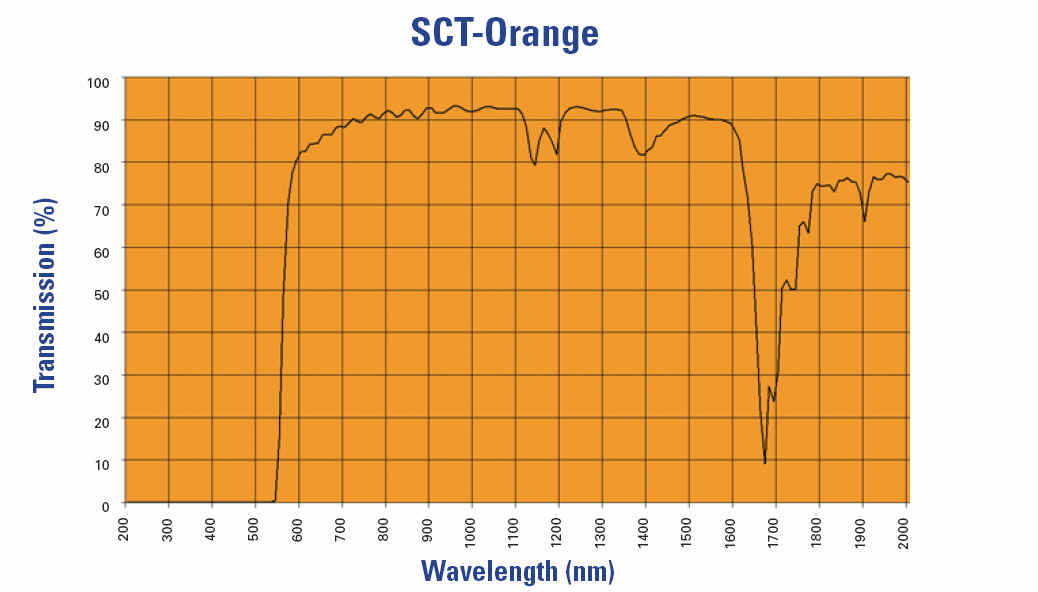
In case someone needs the transmission data for the UVEX amber lenses, here ’tis:

LightD1


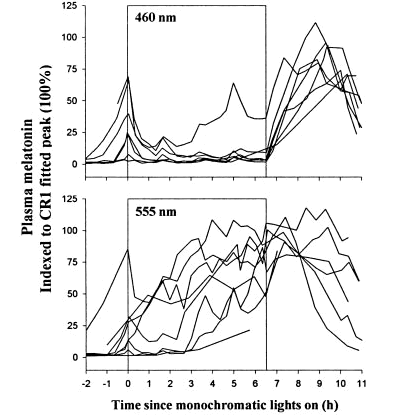
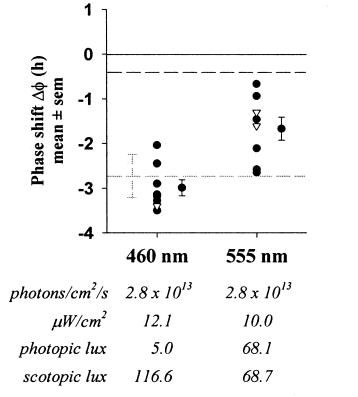
And then you’d need to know that 550 nm light, where the graph line shoots up indicating that wavelength is “greener” is being transmitted, does not affect the circadian system much. Well, that’s not perfect. If the light is bright enough, it will, and if you are exposed long enough. But that green light is surely less powerful in this respect compared to blue light, as shown in this graph (I’m saving this information for myself. If you understand it, great. If not, well, you weren’t expected to show up here! You’re welcome of course. If necessary, you’ll figure out what these graphs mean:)
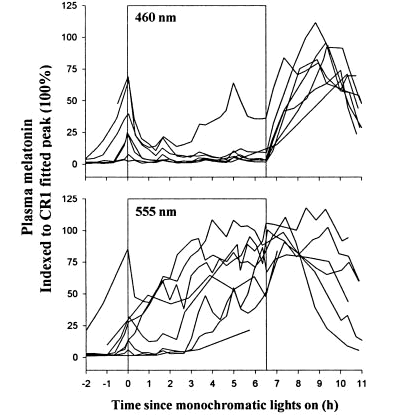
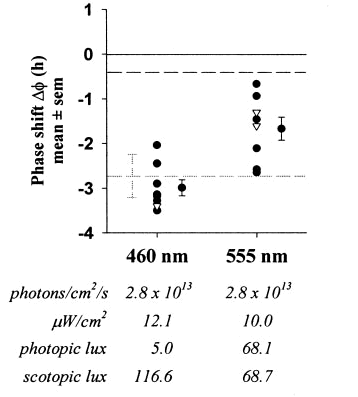
LightD1

LightD2

Posted in News & updates | Leave a comment