Optimal duration of risperidone or olanzapine adjunctive therapy to mood stabilizer following remission of a manic episode: A CANMAT randomized double-blind trial

Abstract

Atypical antipsychotic adjunctive therapy to lithium or valproate is effective in treating acute mania. Although continuation of atypical antipsychotic adjunctive therapy after mania remission reduces relapse of mood episodes, the optimal duration is unknown. As many atypical antipsychotics cause weight gain and metabolic syndrome, they should not be continued unless the benefits outweigh the risks. This 52-week double-blind placebo-controlled trial recruited patients with bipolar I disorder (n=159) who recently remitted from a manic episode during treatment with risperidone or olanzapine adjunctive therapy to lithium or valproate. Patients were randomized to one of three conditions: discontinuation of risperidone or olanzapine and substitution with placebo at (i) entry (‘0-weeks’ group) or (ii) at 24 weeks after entry (‘24-weeks’ group) or (iii) continuation of risperidone or olanzapine for the full duration of the study (‘52-weeks’ group). The primary outcome measure was time to relapse of any mood episode. Compared with the 0-weeks group, the time to any mood episode was significantly longer in the 24-weeks group (hazard ratio (HR) 0.53; 95%confidence interval (CI): 0.33, 0.86) and nearly so in the 52-weeks group (HR: 0.63; 95% CI: 0.39, 1.02). The relapse rate was similar in the 52-weeks group compared with the 24-weeks group (HR: 1.18; 95% CI: 0.71, 1.99); however, sub-group analysis showed discordant results between the two antipsychotics (HR: 0.48, 95% CI: 0.17; 1.32 olanzapine patients; HR: 1.85, 95% CI: 1.00, 3.41 risperidone patients). Average weight gain was 3.2kg in the 52-weeks group compared with a weight loss of 0.2kg in the 0-weeks and 0.1kg in the 24-weeks groups. These findings suggest that risperidone or olanzapine adjunctive therapy for 24 weeks is beneficial but continuation of risperidone beyond this period does not reduce the risk of relapse. Whether continuation of olanzapine beyond this period reduces relapse risk remains unclear but the potential benefit needs to be weighed against an increased risk of weight gain.

Top

Introduction

Bipolar I disorder is a lifelong condition characterized by manic and depressive episodes. A significant proportion of patients experiencing an acute manic episode are treated with a combination of a mood stabilizer (that is, lithium or valproate) and an atypical antipsychotic.1, 2 There is general consensus as indicated by recommendations from various guidelines about continuing a mood stabilizer to reduce the risk of relapse or recurrence of a mood episode.3, 4, 5 In addition, there is also evidence from some6, 7, 8, 9 but not all10 studies that continuation of an atypical antipsychotic as an adjunct to a mood stabilizer provides additional benefit in reducing the risk of relapse but the optimal duration of such strategy remains unknown. For instance, different industry-funded registration trials have reported continuation of an atypical antipsychotic as being beneficial, compared with placebo, when given as adjunct for 6 months,9 12 months8 or 24 months.6, 7 However, none of these studies examined different durations for the atypical antipsychotic therapy within the same trial. An examination of survival curves from these trials suggests that most relapses in the placebo adjunctive therapy group occurred within the first 6 months of randomization. Does this mean that the atypical antipsychotic adjunctive therapy is beneficial mainly within the first 6 months of remission of an acute mood episode and not beyond? This is a critical question because atypical antipsychotics are associated with significant side effects such as weight gain, metabolic syndrome and extrapyramidal side effects and hence should not be continued unless their benefits beyond 6 months can be clearly demonstrated.

Therefore, the primary objective of this randomized double-blind placebo-controlled trial was to determine the efficacy of different durations (24 or 52 weeks) of atypical antipsychotic adjunctive therapy (that is, risperidone or olanzapine) to mood stabilizer vs discontinuing the atypical antipsychotic at study entry in preventing relapse of any mood episode in bipolar I disorder patients who recently remitted (within 6 weeks of remission) from an acute manic episode. An important additional objective was to investigate whether 52 weeks of treatment offered any additional benefit compared with discontinuing the atypical antipsychotic after 24 weeks.

Top

Materials and methods

Subjects

Patients for the study were recruited from 17 Canadian Network for Mood and Anxiety Treatments (CANMAT)-affiliated academic centers in Canada and collaborating sites in Brazil. Study procedures were approved by the Research Ethics Boards of each site. A written informed consent was obtained from all patients after providing a complete description of the study. Patients aged greater than or equal to17 years were eligible for the study if they were: (1) diagnosed with Bipolar I disorder; (2) treated within the previous 12 weeks, for a DSM-IV11 acute manic or mixed episode with a combination of mood stabilizer (lithium or valproate) and atypical antipsychotic (risperidone or olanzapine); (3) in remission from the manic or mixed episode for at least 2 weeks and no more than 6 weeks based on (i) a Clinical Global Impression Severity (CGI-S)12 score of 2 or less for 2 consecutive weeks or (ii) a Young Mania Rating Scale (YMRS)13 score of 8 or less and a Hamilton Rating Scale for Depression (HAM-D)14 21- item score of 8 or less for two consecutive weeks.

Patients with a history of comorbid substance abuse or other axis I disorders were allowed but those taking other psychotropic medication with the exception of benzodiazepines were excluded.

Trial design and interventions

This study was a multi-center three-parallel-group randomized double-blind placebo-controlled trial with up to 52 weeks of follow-up. After obtaining informed consent, patients were randomized to one of the three groups. Randomizations were stratified by drug combination and by center. The treating clinicians and all research personnel except the trial statistician and the pharmacist were blinded to treatment arm allocations. Patients randomized to the ‘0-weeks’ group tapered and discontinued risperidone or olanzapine over 2 weeks beginning on the day of randomization and received placebo substitution for the remaining 50 weeks. Patients randomized to the ‘24-weeks’ group received risperidone or olanzapine for 24 weeks. The antipsychotic was tapered and discontinued over the next 2 weeks with the placebo substitution for the remaining 26 weeks. Patients randomized to the ‘52-weeks’ group continued risperidone or olanzapine for 52 weeks. All patients continued the same mood stabilizer (lithium or valproate) they had been taking at study entry and serum levels were maintained within the therapeutic ranges (0.6–1.2mmol/L for lithium and 350–830μmol/L for valproate) throughout the 52 weeks. The dose and type of atypical antipsychotic were the same as the patient had been on at entry into the study. Allowed dosages for risperidone were 1–6mg per day and olanzapine 5–25mg per day. Patients were not allowed to receive any other psychotropic medication except benzodiazepines for sedation and anti-parkinsonian medication for extrapyramidal side effects. Patients were allowed to receive psychoeducation and counseling regarding sleep hygiene, healthy daily routines and rhythms, alcohol and substance abuse, anxiety management, conflict resolution and problem solving, as clinically indicated as part of their ongoing clinical care.

Study outcomes

Patients were assessed biweekly until week 8 and every 4 weeks thereafter up to week 52 by trained raters blind to treatment allocation using the following instruments: YMRS, HAMD-21, Montgomery-Asberg Depression Rating Scale (MADRS),15 CGI-S and Clinical Global Impression-Bipolar Severity (CGI-BP). Clinical Global Impression-Improvement (CGI-I) and CGI-BP change were assessed from week 2 onwards. Safety and tolerability were evaluated through clinical observation as well as using the Udvalg for Kliniske Undersøgelser Side Effect Rating Scale (UKU)16 as well as the Extrapyramidal Symptoms Rating Scale (ESRS)17 at baseline and at monthly visits. Laboratory measurements on blood sera were obtained at the screening visit and at weeks 12, 24, 36 and 52.

The primary outcome measure was the time to any mood episode, defined as any of the following events: (i) YMRS score of 15 or greater, (ii) HAM-D 21-item score of 15 or greater or HAM-D suicide item score of 3 or greater, (iii) CGI-S score of 3 or greater, (iv) hospitalization for treatment of mood symptoms or (v) suicide or suicide attempt. Patients experiencing a primary event were removed from further study follow-up.

Secondary outcome measures were time to a manic episode, time to a depressive episode and time to premature discontinuation from the study for any clinical reason (primary endpoint met, dose change in risperidone or olanzapine study medication, new intervention, adverse event). Primary outcome events were classified as manic or depressive based on the CGI-BP, YMRS and HAM-D scores.

Sample size

The planned sample size for the trial was 540 patients (180 per group). This sample size was based on two primary comparisons of the event proportions (24-weeks vs 0-weeks groups and 52-weeks vs 0-week groups) by 52 weeks, each at a two-sided significance level of 0.025 (to ensure an overall type I error rate less than 5%) with 80% power and allowing for a 25% drop-out rate. The assumed event proportions were 55% in the 0-week group and 38% (that is, absolute reduction of 17%) in each of the other two groups.

Statistical analysis

All analyses were conducted on an intent-to-treat basis and included all randomized patients. Kaplan–Meier cumulative incidence plots were used to summarize the time to any mood episode by treatment group. For the primary analysis, a Cox proportional hazards model with adjustment for the antipsychotic drug and for the mood stabilizer drug was used to compare the time to any mood episode across treatment groups. As a sensitivity analysis, a mixed effects (frailty) Cox model with site entered as a clustering variable was fit to account for potential site effects. Patients who did not experience the primary outcome were censored as of the time of last follow-up visit.

Similar analyses were used to evaluate the time to a manic episode, and the time to a depressive episode. When analyzing the time to a manic (depressive) event, patients experiencing a depressive event (manic event) were censored at the time of this event.

Changes in weight and laboratory parameters were calculated as the difference between the measurements at baseline and at last follow-up; if the measurement at last follow-up was missing, the most recently observed value was used.

Top

Results

Patients and disposition

A total of 159 patients were randomized (52 to the 0-weeks group, 54 to the 24-weeks group and 53 to the 52-weeks group) into the trial across 17 sites. The recruitment for the study was much slower than anticipated and ultimately was stopped because of expiration of funding.

Patient characteristics were well-balanced across the groups except that the patients in the 0-weeks group had a higher percentage of women, lower mean weight and lower percentage with a history of or currently active psychiatric comorbidity compared with the patients in the other two groups, while the patients in the 24-weeks group had a lower percentage with alcohol/substance abuse (Table 1). The disposition of patients is summarized in Figure 1. A total of 34 (21%) patients discontinued the study (8, 14 and 12 patients in the 0-weeks, 24-weeks and 52-weeks groups, respectively) for reasons other than meeting the primary endpoint. The mean follow-up times were 18, 25 and 24 weeks for the 0-weeks, 24-weeks and 52-weeks groups, respectively.


Primary outcomes

There were 39 primary events (depression=25, mania=14) among 52 patients in the 0-weeks group, 29 events (depression=23, mania=6) among 54 patients in the 24-weeks group and 29 (depression=22, mania=7) events among 53 patients in the 52-weeks group (Table 2). Kaplan–Meier cumulative incidence curves (Figure 2a) suggested that the time to any mood episode was longer in both 52-weeks and 24-weeks groups compared with the 0-weeks group. However, the time to any mood episode was similar between the 52-weeks and 24-weeks groups. In the adjusted Cox analysis, the hazard ratio (HR) for time to any mood episode was 0.53 for the 24-weeks group relative to the 0-weeks group (95%confidence interval (CI): 0.33, 0.86; P=0.01) and 0.63 for the 52-weeks group relative to the 0-weeks group (95% CI: 0.39, 1.02; P=0.06). The HR for the 52-weeks group relative to the 24-weeks group was 1.18 (95% CI: 0.71, 1.99;P=0.52). On the basis of the Kaplan–Meier curves, the estimated 52-week event rates were 65%, 65% and 87% in the 52-weeks, 24-weeks and 0-weeks groups, respectively. The results were negligibly different in the mixed effects Cox model accounting for clustering by site.

Figure 2.

Figure 2 - Unfortunately we are unable to provide accessible alternative text for this. If you require assistance to access this image, please contact help@nature.com or the author(a) Time to relapse of any mood episode. (b) Time to relapse of a manic episode. (c) Time to relapse of a depressive episode.

Full figure and legend (203K)Download PowerPoint slide (310 KB)


Secondary outcomes

Across groups, a total of 27 patients met criteria for a manic event and 70 for a depressive event. The time to a manic episode was longer in patients randomized to the 24-weeks and the 52-weeks groups compared with patients randomized to the 0-weeks group (Figure 2b) and statistically significant for the 24-weeks group (HR: 0.30, 95% CI: 0.12, 0.80; P=0.02) but not for the 52-weeks group (HR: 0.43, 95% CI: 0.17, 1.09; P=0.08). The time to a manic episode was shorter in the 52-weeks group compared with the 24-weeks groups but the difference was not statistically significant (HR: 1.41, 95% CI: 0.47, 4.25, P=0.54).

Although the time to a depressive episode was also longer in the 24-weeks and 52-weeks groups compared with the 0-weeks group (Figure 2c), this difference was not statistically significant for either group (HR for 24-weeks vs 0-weeks groups: 0.65; 95% CI: 0.37, 1.15, P=0.14: HR for 52-weeks vs 0-weeks groups: 0.73; 95% CI: 0.41, 1.29, P=0.28). In addition, the time to a depressive episode was similar in the 52-weeks group compared with the 24-weeks group (HR: 1.11; 95% CI: 0.62, 2.01, P=0.72).

The time to discontinuation for any clinical reason was longer in the 24-weeks and the 52-weeks groups compared with the 0-weeks group, but the effect was statistically significant only for the 24-weeks group (HR: 0.54, 95% CI: 0.34, 0.86, P=0.01) but not for the 52-weeks group (HR: 0.65, 95% CI: 0.41, 1.04,P=0.07). The time to discontinuation for any clinical reason was similar in the 52-weeks group compared with the 24-weeks group (HR: 1.22, 95% CI: 0.74, 1.99, P=0.44).

Subgroup analysis

In the olanzapine subgroup, the time to any mood episode was longer in both the 24-weeks and the 52-weeks groups compared with the 0-weeks group, with the difference reaching statistical significance for the 52-week group (HR: 0.23, 95% CI: 0.09, 0.59, P=0.003) but not for the 24-weeks group (HR: 0.47, 95% CI: 0.21, 1.07, P=0.07). The time to any mood episode was longer but not statistically significant in the 52-weeks group compared with the 24-weeks group (HR: 0.48, 95% CI: 0.17; 1.32, P=0.16).

In the risperidone subgroup, the time to any mood episode was longer in the 24-weeks group relative to 0-weeks group but was not statistically significant (HR: 0.57, 95% CI: 0.31, 1.05, P=0.07). Surprisingly, the time to any mood episode in the 52-week group was similar to that in the 0-weeks group (HR: 1.05, 95% CI: 0.59, 1.88, P=0.86) and shorter than in the 24-weeks group (HR: 1.85, 95% CI: 1.00, 3.41; P=0.05).

Adverse events

The only serious adverse event recorded was the single death from pneumonia, which occurred in the 52-weeks group, and was determined by the site investigator as being unrelated to the study medication. Rates of other adverse events were similar across the three groups (Table 3). The mean changes in the ESRS total score, Parkinsonism+Dystonia subscale and Dyskinesia subscale were similar across all three groups.


In terms of weight change, patients in the 52-weeks group gained significantly more weight (3.2kg, P=0.01) compared with those in the 0-weeks group (lost 0.2kg) and 24-weeks group (lost 0.1kg). Within the olanzapine subgroup, the weight changes were a loss of 0.7kg, a loss of 0.2kg and a gain of 5.6kg in the 0-week, 24-week and 52-week groups, respectively. The corresponding weight changes in the risperidone subgroup were a gain of 0.3kg, no change and a gain of 1.3kg. Clinically significant weight gain (greater than or equal to7% or more of baseline weight) was more common among patients in the 52-weeks group (25%) than in the 0-weeks (12%) and 24-weeks (15%) groups. In the olanzapine subgroup, more patients gained greater than or equal to7% weight in the 52-weeks group (35%) compared with the 0-weeks group (5%) or the 24-weeks group (14%), while in the risperidone subgroup, these proportions were more similar across the groups (17%, 15% and 17% in the 0-weeks, 24-weeks and 52-weeks groups, respectively). Average change in glucose, cholesterol or triglycerides levels from baseline to last follow-up were similar in all three groups whether including all patients or in either antipsychotic subgroup.

Top

Discussion

This is the first study to compare different durations of atypical antipsychotic adjunctive therapy in the maintenance treatment of bipolar I disorder after remission from an acute manic or mixed episode. The most important findings of the study are: (i) The time to relapse of any mood episode was significantly longer in the group that continued atypical antipsychotic adjunctive therapy for 24 weeks compared with the group that had their atypical antipsychotic discontinued at study entry; (ii) There was a trend for longer time to relapse of any mood episode in the 52-weeks group compared with the 0-weeks group; (iii) The time to relapse of any mood episode was similar in the 52-weeks group compared with the 24-weeks group; however, the sub-group analysis showed discordance in effects of risperidone and olanzapine beyond 24 weeks. In addition, weight gain was significantly greater and more patients gained greater than or equal to7% body weight with 52 weeks of continued antipsychotic use compared with 24 weeks.

The findings of this study are highly clinically relevant and have immediate transformational value for the management of bipolar disorder. Although adjunctive atypical antipsychotic therapy was beneficial for 24 weeks after the remission of an acute manic episode, the benefits were not readily apparent beyond 24 weeks as overall, there were no differences in relapse rates between the 24-weeks and 52–weeks groups. Importantly, weight gain was significantly more common in the 52-weeks group compared with the other two groups. Thus, these data suggest that adjunctive atypical antipsychotic therapy beyond 24 weeks confers additional adverse event burden without necessarily offering definitive tangible clinical benefit in efficacy.

Although mania is the defining feature of bipolar I disorder, several studies suggest that depressive episodes and symptoms outnumber manic/hypomanic episodes/symptoms by a ratio of 3:1 during the course of bipolar disorder.18Consistent with this, more patients in our study had depressive recurrences compared with manic recurrences (70 vs 27 events, respectively). Despite higher depressive recurrences, adjunctive therapy benefit was more apparent in preventing manic recurrences in the 24-weeks (HR: 0.30) and 52-weeks (HR: 0.43) groups compared with the 0-weeks group than for preventing depressive recurrences (HR: 0.65 for the 24 weeks group and HR: 0.73 for the 52 weeks group). These data are consistent with the clinical observation and findings from other studies which suggest that many atypical antipsychotics are more effective in preventing manic than depressive recurrences.8, 9, 19, 20

This study was not adequately powered for analysis of the antipsychotic subgroups, but several findings warrant discussion. The prophylactic effect of risperidone was apparent only for mania whereas for olanzapine, the benefit was seen mainly in preventing depression (Table 2). These findings are broadly consistent with previous studies21, 22 although the lack of effect of olanzapine in preventing mania is surprising. This might be because many of the patients in the olanzapine 0-weeks group had a depressive event, and thus left fewer patients at risk for mania. The HR for the time to any mood episode comparing the 24-weeks group with the 0-weeks group were similar for both olanzapine and risperidone. Hence, the finding of benefit of 24 weeks of therapy appears robust and applicable to both antipsychotics. In contrast, when comparing the 52-weeks group with the 24-weeks group, the results were discordant between the two antipsychotics. In the risperidone subgroup, the risk of relapse increased with a near doubling of the HR. Even if this result is a false signal and continued use of risperidone beyond 24 weeks does not truly increase the risk of relapse, it remains unlikely that any benefit exists. In the olanzapine subgroup, the risk of relapse decreased with the HR roughly halved though not statistically significant. This result could be because of inadequate sample size. However, this reduction in risk of relapse was accompanied by a 20% increase in risk of weight gain by at least 7% and an average weight gain of nearly 6kg. Given that the weight gain is a predictor of poor clinical outcomes in bipolar disorder,23, 24 the potential clinical benefit of continuing olanzapine beyond 24 weeks needs to be balanced against the risks of weight-gain-associated morbidity and mortality.

The incidence of adverse events was relatively low and few patients dropped out of the study because of adverse events. There were no significant differences in rates of adverse events, metabolic parameters or ESRS scale scores between the three groups. This may be because of the enriched design in which only those patients who responded and tolerated these medications were eligible to enter the trial. Despite such enrichment in design, patients in the 52-weeks group gained considerably more weight and more patients in this group had clinically significant weight gain, and in particular, those who had received olanzapine adjunctive therapy. This suggests that weight gain with olanzapine may continue beyond 24 weeks.

This study has several strengths including the use of a stratified randomized double-blind design, that it recruited ‘real world’ patients with and without comorbidity, and allowed routine clinical management including psychoeducation and counseling as clinically indicated. However, some limitations must also be considered. First, this study included only risperidone and olanzapine; hence, the findings of this study may not be generalizable to all atypical antipsychotics. Nevertheless, the findings of this study are consistent with other maintenance studies showing that the efficacy in prevention of relapse is most apparent in the first 6 months. Second, owing to recruitment challenges, the final sample size was smaller than originally planned. Larger sample sizes would have yielded more precise assessments of the differences between the 24-weeks and 52-weeks groups in the olanzapine and risperidone subgroups and provided more definitive conclusions as to whether the discordant findings truly reflect a reduced risk of relapse with continued olanzapine use, an increased risk with continued risperidone use, or both. Third, comparisons of adverse event rates and change in outcome measures may be impacted by differences in the average length of follow-up across treatment groups. However, mean follow-up time in the 24-weeks and 52-weeks arms were similar and so do not explain the weight gain differences between these two groups. Last, clinicians were allowed to provide adjunctive psychological treatments as clinically appropriate. Although differences in types and duration of psychological treatments might have contributed to differences in efficacy, this is also a strength of this study in that it mirrored real world clinical practice.

In conclusion, the results of this study suggest that patients with bipolar I disorder who recently remitted from an acute manic episode with adjunctive risperidone or olanzapine therapy are less likely to have a recurrence if these medications are continued for 24 weeks vs discontinuing soon after remission of mania. However, benefits beyond 24 weeks are not apparent; subgroup results suggest continued risperidone use provides no benefit and although it remains unclear whether continued olanzapine use reduces the risk of recurrence, the potential benefit should be weighed against a concomitant increased risk of weight gain. Given the clinical significance of these findings, future studies should use the similar design to examine the applicability of these findings to other atypical antipsychotics that have less metabolic burden liability.

Top

Conflict of interest

Dr Lakshmi N Yatham reports grants from Lilly, Janssen and from the Canadian Institutes of Health Research during the conduct of the study. He also received grants and personal fees from AstraZeneca, Bristol Myers Squibb and Dianippon Sumitomo. He received personal fees from Forrest, Glaxo Smithkline, Lundbeck, Sunovion and Lilly outside the submitted work. Dr Serge Beaulieu reports grants and personal fees from Astra Zeneca, BMS, Lundbeck, Otsuka and Sunovion. He received grants from Novartis, Canadian Institutes of Health Research, Fonds de recherche du Québec, Réseau Santé Mentale au Québec, Brain and Behavior Research Foundation, Stanley Foundation and Pfizer Reseach Award. He reports receiving personal fees from Forest Laboratories, Lilly, Merck and Pfizer from outside the submitted work. Dr Ayal Schaffer reports grants from Canadian Institute of Health Research during the conduct of the study. He received grants from Pfizer Canada and personal fees from AstraZeneca, Eli Lilly, Sunovion, Lundbeck and Bristol-Myers Squibb outside the submitted work. Dr Marcia Kauer-Sant’Anna reports grants from Stanley Medical Research Institute, grants and personal fees from Eli-Lilly, and grants from CNPq-INCT-TM, CNPq-Universal, FIPE-HCPA and NARSAD outside the submitted work. Dr Flavio Kapzinski reports receiving support for research from AstraZeneca, Eli Lilly, Janssen-Cilag and Servier outside the submitted work. Dr Verinder Sharma reports grant support from Bristol-Myers Squibb, Cephalon, Elan Pharmaceuticals and Shire; personal fees from AstraZeneca, Eli Lilly, Janssen, Servier, Sunovion, Lundbeck and Bristol-Myers Squibb outside the submitted work. Dr Sagar V Parikh reports personal fees from Sunovion, Pfizer, BMS, Otsuka, Astra-Zeneca, Lundbeck and Lilly, and grant funding from Lundbeck outside the submitted work. Dr Andree Daigneault reports grants and personal fees from Astra Zeneca, BMS and personal fees from Lundbeck, Sunovion and Valeant, outside the submitted work. Dr David J Bond reports grants from Pfizer and personal fees from Sunovion, Pfizer, BMS, Otsuka, Astra-Zeneca and Janssen, outside the submitted work. Dr Roumen Milev reports grants and personal fees from Astra Zeneca, BMS, Pfizer and Eli Lilly. He also reports personal fees from Merck, Otsuka, Sunovion, Valeant, as well as personal fees and non-financial support from Lundbeck outside the submitted work. Dr Philippe Baruch reports personal fees from BMS and Sunovion, outside the submitted work. Dr Raymond W. Lam reports grants from Canadian Institutes of Health Research, other from Janssen and Eli Lilly, during the conduct of the study. He also received grants from Bristol Myers Squibb, Coast Capital Savings, Pfizer and St. Jude Medical; grants and personal fees from Lundbeck; and personal fees from AstraZeneca, Canadian Psychiatric Association, Lundbeck Institute, Otsuka, Servier, Canadian Network for Mood and Anxiety Treatments, outside the submitted work. In addition, Dr Lam has a patent Lam Employment Absence and Productivity Scale (LEAPS) issued, a patent Cambridge University Press with royalties paid, a patent Informa Press with royalties paid, and a patent Oxford University Press with royalties paid. Dr Beny Lafer, Dr Hong Qian, Dr Peter H Silverstone, Ms. Nazlin Walji, Dr Angelo da Cunha, Dr Joao Quevedo, Dr Rodrigo Dias, Dr Mauricio Kunz, Dr L Trevor Young and Dr Hubert Wong declare no conflict of interest.

Posted in News & updates | Leave a comment

Antipsychotic Treatment for Bipolar Disorder Not Always Effective After Six Months

Some antipsychotic medicines commonly used to treat a type of bipolar disorder may not have clear benefits after six months of use, researchers have found.

There are different types of bipolar disorder. Bipolar I — what most people associate with the illness — is characterized by periods of mania (intense elevated mood, increased energy and speed of thinking, reduced sleep etc) and severe depression (low mood, no interest or motivation, lack of pleasure, suicidal thoughts etc) . This new study is the first to compare the effectiveness of certain antipsychotics in treating this type of bipolar disorder longer-term, following a period of mania.

Publishing their findings online October 13 in Molecular Psychiatry, the research team was led byLakshmi N. Yatham, M.D., of the University of British Columbia, a 1996 NARSAD Young Investigator (YI) grantee who went on to receive Independent Investigator (II) grants in 1999 and 2003.

The study focused on people with Bipolar I being treated with a combination of an antipsychotic (risperidone or olanzapine) and a mood stabilizer (lithium or valproate). The patients enrolled in the study had recently experienced manic episodes. To compare how the antipsychotics worked over long periods, some patients continued on whichever antipsychotic they were already taking, for another six months or one year in conjunction with lithium or valproate. Others, serving as controls, took placebos (or dummy pills) instead of antipsychotics along with lithium or valproate. Then, the three groups were compared: How long did it take before each patient experienced another depressive or manic episode?

Overall, the researchers found, patients were less likely to have a mood episode if they continued on antipsychotics for 24 weeks rather than taking placebos . However, the benefits of continuing antipsychotics beyond 24 weeks were not apparent as the proportion of patients that had a mood episode was not different between 24 and 52 groups.

The team noted that extended use of both antipsychotics was accompanied by weight gain in patients — clinically significant weight gain on olanzapine in 35% of patients after a year of use, and some weight gain in 15%-17% of patients on risperidone with any length of use. This suggests that the relief provided by these drugs should be considered against the potential for significant weight gain.

The researchers also observed some differences between the two types of antipsychotics as regards their longer-term usefulness, and the types of mood episodes each antipsychotic medicine helped to prevent , although they caution that these findings must be considered preliminary . For instance, beyond six months of use, those taking risperidone experienced manic or depressive episodes as frequently as the placebo group. Those taking olanzapine, on the other hand, had the fewest episodes when using the medication over a whole year rather than stopping use after 24 weeks, making the year-long treatment most effective for that drug. Risperidone tended to delay mania, while olanzapine tended to delay depression. To unpack the effects of different treatments, the researchers say, future work should examine other types of antipsychoticsas well as non-antipsychotic treatments like psychotherapy, and do so in a larger patient group.

In addition to Dr. Yatham, the research team also included other past NARSAD grant recipients: 1998 YI and 2007 II granteeSerge Beaulieu, M.D., Ph.D.; 2007 II grantee Flavio P. Kapczinski, M.D., Ph.D.; 2013 II grantee Beny Lafer, M.D., Ph.D.; 1997 II grantee Peter H. Silverstone, M.D.; and 1989 YI and 1995 II L. Trevor Young, M.D., Ph.D.

Posted in News & updates | Leave a comment

Depression

What is Depression?

Not all feelings of sadness or grief point to a depressive disorder. Clinical depression extends beyond short-lived experiences of sorrow, often occurs without any logical reason, and interferes with an individual’s ability to function on a daily basis.

Depression Symptoms

An individual may suffer from depression when they exhibit the following symptoms:

  • Persistent feeling of sadness
  • Decreased in hobbies or activities that were previously enjoyable
  • Feelings of numbness and/or hopelessness
  • Decreased sex drive
  • Significant fluctuations in body weight
  • Difficulty with concentration, restlessness
  • Insomnia
  • Suicidal thoughts

Causes of Depression

Depression is considered to stem from a combination of genetic, psychological, environmental, and biological factors. While there is no single, definitive cause of depressive illness, some theorize that causes of depression include:

  • Genetics/family history of depression
  • A traumatic or highly stressful experience
  • Abnormalities in parts of the brain that involved mood, sleep, appetite, and behavior

Depression Treatment

Upon diagnosis, depressive illness should be taken seriously and it is best for those affected to seek immediate help. Psychotherapy and/or medication are common and effective forms of treatment for depression.

Psychotherapy

  • Cognitive Behavioral Therapy (CBT): A type of therapy that allows patients to see the connection between their thoughts, feelings, and behaviors. The technique of CBT lies in the understanding of that connection and how it underlies and affects depression.
  • Interpersonal Therapy (IPT): A time-limited form of therapy that focuses on exploring and working through an individual’s relationships. It targets symptom resolution, improved interpersonal functioning, and increased social support through techniques such as role playing and communication analysis.

Medications

Common medications are known as antidepressants and come in the form of either selective serotonin reuptake inhibitors (SSRIs) or serotonin and norepinephrine reuptake inhibitors (SNRIs).

  • Selective Serotonin Reuptake Inhibitors (SSRIs): Frequently used medication for depression, common SSRIs include fluoxetime (Prozac), sertraline (Zoloft), citalopram (Celexa), escitalopram (Lexapro), paroxetine (Paxil), and fluvoxamine (Luvox). These medications strengthen the signal between serotonin and certain neurons, resulting in a reduction of anxiety.
  • Serotonin and Norepinephrine Reuptake Inhibitors (SNRIs): SNRIs decrease depression by changing the levels of naturally occurring brain chemicals that help brain cells send and receive messages. This is known to boost mood. SNRIs are similar to SSRIs and include venlafaxine (Effexor) and duloxetine (Cymbalta).
Date of original publication: November 19, 2014
Updated on: March 23, 2016
Posted in News & updates | Leave a comment

Using both therapies together shows promising results

Obsessive-Compulsive Disorder (OCD) frequently begins in adolescence, but it has been evidenced in younger children as well. About 1 million children and teens in the country suffer from the psychiatric disorder, with scientists believing that biological and environmental factors play a role in its development. Children and teens taking specific medication for (OCD) experience significant improvements in their symptoms when treated with a full course of adjunctive Cognitive Behavior Therapy (CBT), new research shows.

Published in the September issue of the Journal of the American Medical Association,the study sought to determine if CBT as an added treatment to drug therapy would be as effective among young patients as it is for adults. Lead by Martin Franklin, PhD, of the University Of Pennsylvania School Of Medicine in Philadelphia, the team conducted a trial on 124 children with OCD who had been taking at least one type of anti-anxiety medication for a minimum of three months, but were still experiencing symptoms. The participants were 7 to 17 years old and were outpatients between 2004-2009 at the University of Pennsylvania, Duke University or Brown University.

Combining CBT With OCD Medication Help Address Different OCD Symptoms

OCD is a disorder marked by ongoing obsessions and compulsions that become invasive and interfere with the ability to proceed in daily routines. Compulsions are repeated actions that individuals engage in to alleviate their persistent, anxiety-provoking obsessions. Someone with OCD, for instance, may repeatedly wash his hands to try to lessen his or her anxiety about contamination. Unfortunately, the repetitive actions only aggravate the illness, though awareness of the increasing severity of the condition varies among patients.

CBT is a short-term form of talk therapy that follows a specific set of guidelines to help people explore and identify thoughts and feelings associated with their behaviors. The approach empowers patients to change their actions even if they cannot change certain undesirable situations.

Patients are often prescribed a subset of serotonin reuptake inhibitors (SRIs) calledselective serotonin reuptake inhibitors (SSRIs). SSRIs are selective in nature because they only bind to particular monoamine transporters. SSRIs are frequently prescribed in varying doses for anxiety disorders and depression. Prozac, Zoloft, Paxil, and Luvox are the most common SSRIs given for OCD, with the medication designed to increase serotonin activity in the brain. Serotonin is a known neurotransmitter that regulates emotions and sends messages via a network of receptors throughout the central nervous system.

CBT and SSRIs Significantly Reduce OCD Symptoms

To evaluate the impact of CBT on young OCD sufferers using SSRIs, researchers randomly assigned participants to either receive:

  • Seven CBT sessions over 12 weeks with a psychologist
  • Instructions on CBT
  • No additional treatment beyond medication

All continued taking their SSRIs throughout the trial, with 42 participants included in each group respectively. The outcomes were measured by determining if the children improved their scores by at least 30% on the Children’s Yale-Brown Obsessive Compulsive Score.

The findings revealed that the group undergoing CBT along with SSRIs showed a significant decrease in OCD symptoms by at least 30%, a marked change not seen in the other two groups. In fact, those receiving training on CBT procedures did not show any significant improvements, prompting researchers to suggest that effective CBT with trained psychologists is critical in making an impact in the children’s condition.

Posted in News & updates | Leave a comment

MicroRNA 135 may be the key to anxiety and depression treatment

Anxiety and depression might be controlled by a MicroRNA (a non-coding RNA molecule that regulates cellular activities) says a new study published in Neuron. According to the World Health Organization, mood disorders like depression affect about 10% of the population. Yet, not many advancements have been made towards understanding the biological reasons behind depression and anxiety. This study breaks new ground in the treatment of mood disorders by identifying a possible cause, and, consequently, giving scientists the potential to treat anxiety at the source.

The Study

Researchers from the Weizmann Institute of Science investigated the molecular mechanisms of the serotonin system, which could cause anxiety and depression. They did so by genetically modifying the MicroRNA that create serotonin in mice and examining its effects. By combining bioinformatics methods and experimentation, researchers identified MicroRNA 135 (miR135) and two proteins that play a role in serotonin regulation and production.

By manipulating the production levels of miR135, researchers discovered they could control the anxiety and depression levels of the mice. For example, mice that were genetically engineered to make more miR135 were resistant to constant stress and did not develop anxiety or depression. Mice with low levels of miR135 expressed more behaviors associated with anxiety and depression. The mice with lower levels of miR135 also were not as affected by antidepressants. Scientists concluded that the brain needs to have miR135 levels low enough to enable healthy stress and high enough to avoid mental health issues.

Scientists then moved on to testing miR135 levels in humans. After testing blood samples of a score of humans, they found that subjects with depression had lower miR135 levels in their blood. They also found that three of the genes involved in producing miR135 were also associated with bipolar mood disorders.

The Results

These findings could mean big breakthroughs in the treatment of anxiety and depression. Current medications for this disorder are only effective in 30 to 40% of patients, and for many of these patients, the effects are often not enough. Selective serotonin reuptake inhibitors (SSRIs), which are the most commonly prescribed antidepressants, treat the effects of microRNA production. When a patient stops taking an SSRI, he or she might go back to unhealthy serotonin levels. This new research will help scientists go to the source of depression and anxiety in order to more effectively treat patients for their mental health problem.

Posted in Anxiety | Leave a comment

The truth behind medication for anxiety

A variety of medications have been found helpful in treating anxiety disorders, but none of them work for every person. While selective serotonin reuptake inhibitors (SSRIs) andserotonin-norepinephrine reuptake inhibitors (SNRIs) are considered the first-line treatment for many anxiety disorders,2 each individual needs to work with his or her physician to identify the best approach.

What are You Using Medication for?

An important issue you should discuss is whether you’re using medication for long-term change or short-term relief. Some medications aren’t intended to be used for more than several weeks. Other medications must be taken for a long time to maintain their results.4 And when some antianxiety medications are discontinued, problems with anxiety often return. Some medications cannot be stopped abruptly and must be tapered off to prevent severe withdrawal symptoms. In some cases, such as with the long-term use of benzodiazepines, anxiety and other problems may actually worsen after the medication is discontinued.5 So, it’s important to discuss:

  • How long a medication can be safely used
  • When and if you are expected to stop taking it
  • What will happen when you stop taking the medication

Another important consideration is the effect of medication on therapy. Some medications have been shown to increase or decrease the effectiveness of various therapeutic approaches, like Cognitive Behavioral Therapy.1 The right combination of medication and treatment can also vary depending on what phase of treatment you’re in. If you are in therapy, or plan to seek therapy, be sure to discuss all of this with your doctor (and/or therapist) to ensure you achieve the most beneficial outcome.

Medication Side Effects

No discussion of medication with your doctor is complete unless you address side effects. Side effects are unintended adverse consequences associated with taking medication. In the case of antianxiety medications, side effects can range from an upset stomach to confusion, and from muscle weakness to sexual dysfunction. There are logical reasons for side effects. First, keep in mind that brain functions rely on neurotransmitters, chemicals that allow neurons to communicate with each other. The brain and the rest of the body uses a limited number of neurotransmitters in multiple neurological processes. Just as you can use baking soda for a variety of purposes (for leavening, as a cleaning agent or toothpaste, to deodorize your refrigerator, and so on), the human body uses most neurotransmitters in a variety of different systems.

Therefore, medications designed to influence a neurotransmitter’s activity in one set of brain circuits may also have a side effect of influencing completely unrelated processes. Consider serotonin, a neurotransmitter often thought to be involved in various areas of the brain that create anxiety. Medications used to increase serotonin levels in the brain may also affect intestinal processes because serotonin plays a key role in coordinating muscle contraction in the intestines. This results in side effects that can include constipation or diarrhea.

Because it’s very difficult to impact levels of a neurotransmitter in a specific location without influencing other parts of the nervous system, side effects are expected when people take medications for anxiety. Furthermore, levels of one neurotransmitter in the brain may shift in response to changes in levels of other neurotransmitters. Therefore, it’s difficult to use medication to make one change in the brain without affecting other systems.

Finally, because no two brains or bodies are exactly alike, medications frequently have different effects on different people. So a medication that’s helpful for one person may have only negative effects for another person. No one can predict the response a specific individual will have to a specific anti-anxiety medication. Under a doctor’s supervision, a person may have to try a few different medications before finding the one that works best.

Furthermore, new side effects can develop after long-term use of a medication. The brain is a responsive and adaptive system, and it adjusts to changes in its chemistry in complex and sometimes unexpected ways. It can change its structure or reduce its production of specific chemicals in response to the continued presence of certain medications. Long-term impacts on the brain other than those intended for treatment can occur. However, we know very little about these effects because they’re rarely studied. Pharmaceutical companies that design and evaluate medications tend to focus primarily on their short-term benefits and safety, and clinical trials of the effects of a medication rarely last more than one year.

Categories of Antianxiety Medications

As we noted, the most commonly prescribed antianxiety medications fall into four categories:

Each kind of medication attempts to reduce anxiety in a different way and has different influences on the process of rewiring the brain. You will be more likely to benefit from a medication if you know what to expect from it and use it in a way that promotes the changes you hope to produce.

Review Your Medications

So, before you read the next article in this series, it will be helpful if you know what kind of medication you are taking or considering taking. On a blank piece of paper, list the medications you’ve taken, or are considering taking, to treat your anxiety and identify what category each falls into. Use RxList and MedlinePlus to help you categorize your medication. If you have already tried medications, describe the effects each medication has had on you—both positive and negative. The next installments of this series will explain to you what to expect and what not to expect from each category of medication.

Other articles in this series include:

Part 1: Medication As Part Of Your Anxiety Treatment

Part 3: SSRI Fact Sheet

Part 4: SNRI Fact Sheet

Posted in Anxiety | Leave a comment

Research observes effects of mental health issues on telomeres and aging

It has become widely thought among healthcare professionals and the public alike that mental health affects physical well-being. New research suggests that depression and anxiety may speed up the aging process, leading to the development of chronic disease. Here, I discuss my research on the link between depression, anxiety, and short telomere length – a condition wherein the protective caps at the ends of cells are shortened to the point wherein those cells no longer divide.

Linking Telomere Length to Aging and Disease

For the past ten years, I have been interested in identifying the various mechanisms by which mental health problems, such as depression and anxiety, influence the development of chronic physical health problems, such as cardiovascular disease. My most recent work in this area examined associations between depression, anxiety, and telomere length, a potential biological mechanism linking mental health problems to morbidity and mortality.

Telomeres are the protective caps at the ends of chromosomes that shorten each time a cell divides. Eventually, critically shortened telomeres trigger cellular senescence, when cells essentially get old and stop dividing. Therefore, telomere length is thought to be a biological marker of aging. In support of this theory, a growing number of studies have shown that shorter telomere length is associated with diseases of aging, including cardiovascular disease, type 2 diabetes, dementia, and cancer, independent of chronological age. In addition, some studies have found that shorter telomere length predicts increased risk of death.

Women with Anxiety Found to Have Shorter Telomere Length

To examine the hypothesis that anxiety and depression are associated with shorter telomeres, my coauthors and I used data collected between 1999 and 2002 from the National Health and Nutrition Examination Survey (NHANES).1 In all, our study included 1,164 white, African-American, and Mexican-American participants between the ages of 20 and 39, some of whom had major depression, Generalized Anxiety Disorder, or panic disorder in the past year. Among female study participants, those with anxiety or panic disorder had shorter telomeres than similar women who reported no symptoms of anxiety. No association was found between anxiety disorders and telomere length among men.

More Severe Depression Could Be Linked to Shorter Telomeres in Young Adults

In the full sample, no association was found between major depression and telomere length. Among current antidepressant users, however, those with major depression had shorter telomeres than those who reported no symptoms of depression. A small amount (4.5%) of respondents reported current antidepressant use. Antidepressant use was more frequent among participants with depression or anxiety, but was also reported by those with no depressive or anxious symptoms. We found no association between current antidepressant use and telomere length in the full sample, only for those who had depression in the past year despite current use of antidepressant medications.

Further Research on Telomere Length and Mental Health is Needed

Due to the fact that the study is observational, the conclusion that mental health problems cause short telomeres remains tentative. Longer term studies in the same individuals could help determine whether changes in mental health are associated with changes in telomere length over time, providing stronger evidence for a causal association. I hope that our study will encourage research on the biological mechanisms linking mental health disorders to physical health problems, and inspire health care providers, policymakers, and the public to recognize the importance of mental health problems for overall health and well-being.

Research on the link between mental and physical health tells us that our minds and bodies are connected. If you or someone you know are experiencing symptoms of depression or anxiety, and you are worried about the physical health consequences, talk to your doctor about treatment options.

Date of original publication: June 15, 2015
Updated on: February 03, 2016
Posted in News & updates | Leave a comment

Improving COPD by treating anxiety and depression

Chronic Obstructive Pulmonary Disease (COPD) causes difficulty breathing and progressively gets worse. COPD is also known as emphysema or chronic bronchitis.Past studies report that COPD patients often also suffer from anxiety and depression due to symptoms such as chronic coughing and difficulty breathing, which can interrupt daily activities. In hopes of creating better treatment plans for those with COPD, a study seen in the September 2014 issue of Egyptian Journal of Chest Diseases and Tuberculosis examines the efficacy of treating anxiety and depression to improve the quality of life for COPD patients.

Incorporating Antidepressants and Anxiolytics Into COPD Therapy

The study examined 33 males and 17 females with severe COPD who were also diagnosed with depression and anxiety. Depression was assessed using the Montgomery and Asberg Depression Rating Scale (MADRS). The MADRS indicates if the patient has non-existing, mild, moderate, or severe levels of depression. Similar to the MADRS, the Hamilton Anxiety (HAM-A) measured levels of anxiety. The scales revealed that:

  • 32 patients suffered from depression alone
  • 5 patients suffered from anxiety alone
  • 13 patients had both anxiety and depression

The 50 subjects were then split into two groups of 25: group I would be treated for anxiety and depression, while group II served as the control. Group I was treated with antidepressants and anxiolytics for three months. Antidepressants are prescribed medications that are commonly used to treat moderate to severe depression. Common antidepressants include Celexa and Prozac. To treat anxiety, anxiolytics such as Xanax and Klonopin are often prescribed. For this study, group I took 20mg of Fluoxetine daily. This particular drug was chosen because it serves as both an antidepressant and anxiolytic.

Medicated Treatment Shows Significant Reduction in Depression and Anxiety

At the end of the three months, the participants were reassessed with the MADRS and HAM-A. Those who received medicated treatment for their anxiety and depression showed significantly lower scores on both scales, suggesting that their mental health had improved. Osama M. Momtaz, the head researcher of this study, recommends physicians treat anxiety and depression in COPD because “it is associated with a significant improvement in pulmonary physiological parameters.” In other words, decreasing anxiety and depression also increases physical health, thus improving a COPD patient’s quality of life.

Posted in News & updates | Leave a comment

A less traditional class of drugs could offer effective treatment for PTSD

Post-traumatic Stress Disorder (PTSD) is a serious anxiety disorder that results from exposure to a traumatic experience or from witnessing a life-threatening event such as violence, abuse, accident, war, disaster, or any situation that seriously threatens the integrity of a person. PTSD is known to be common among veterans, but is also highly prevalent in women. The affliction is currently a very serious burden in the U.S., with high associated mortality rates and healthcare costs.

A spate of treatments are available for those with PTSD, ranging from mental psychotherapy to antidepressants. There’s also exciting news in the area of PTSD treatment: the healthcare community has its eye on a different class of drugs that offers the potential to be highly effective at treating PTSD symptoms.

A Possible New Treatment Method for PTSD Sufferers

Research on PTSD is steadily increasing year by year, which has drawn me to investigate current and potential treatments for the affliction. The first line of treatment for the disorder generally consists of psychotherapy, such as cognitive therapy, exposure therapy, stress inoculation training, and pharmacotherapy with antidepressants, specifically selective serotonin reuptake inhibitors (SSRIs) such as Sertraline and Paroxetine.

Atypical antipsychotics (AAs), which have traditionally been used to treat schizophrenia, are in a different class of drugs from antidepressants, the common standard for PTSD medication. AAs can affect several neurotransmitter systems which have been proven to be involved with the psychophysiology of PTSD. AAs have gotten a lot of attention from the scientific community, but current data proving its efficacy for PTSD is still insufficient. Thus, my team and I set out to conduct a meta-analysis in order to further clarify the effectiveness of AA therapies on PTSD.

Atypical Antipsychotics Reduce PTSD Symptoms

Our meta-analysis included the findings from 455 patients in eight studies: 231 were allocated to AA groups that received medication, and 224 were allocated to placebo groups. The results indicated that AAs were more effective than a placebo in treating PTSD patients. When the effects of pharmacotherapy were compared with placebo treatment, we found significant decreases in PTSD symptoms.

The Side Effects of AAs are Comparable to a Placebo

People with PTSD frequently have to be concerned about how to manage the side effects of their medication, which can often include muscle spasms and other movement disorders. In addition, the metabolic side-effects of AAs, which can lead to weight gain and diabetes, are also a critical concern for long-term use.

In order to analyze these possible drawbacks, we conducted a meta-analysis on dropout rates. Surprisingly, the results showed no statistical difference between AAs and placebo on acceptability and side effects. This finding may be explained by the low doses of AAs used to treat PTSD: somewhere between one-third and one-half of the dosage used to treat schizophrenia is given to people with PTSD.

Pharmacotherapy Shows Strong Potential in PTSD Treatment

AAs could be an effective new choice for treating PTSD, offering the benefits of reduced side effects when compared to other current mediations. We hope that our research and the search for better treatments will allow more people who suffer from PTSD to find greater peace of mind.

Date of original publication: June 18, 2015
Updated on: February 10, 2016
Posted in News & updates | Leave a comment

These antidepressants may have limited effectiveness

Doctors often prescribe antidepressants, such as paroxetine (Paxil), fluvoxamine (Luvox), or sertraline (Zoloft), for the treatment of anxiety. Many antidepressants fall into the category of medications called selective serotonin reuptake inhibitors (SSRIs) and are approved for the treatment of anxiety disorders, such as Generalized Anxiety Disorder and panic disorder. However, new research indicates that SSRIs may provide little benefit in relieving symptoms of anxiety.

Our group of researchers at Wayne State University and the Harvard Medical School analyzed all clinical trials examining the benefit of the SSRI paroxetine compared to placebos in the treatment of Generalized Anxiety Disorder (GAD) or panic disorder across all trials sponsored by the drug’s manufacturer, GlaxoSmithKline (GSK). According to GSK, 12 clinical trials have been done, although four of them were not published in medical journals. We examined how much improvement individuals in these studies made on the Hamilton Rating Scale for Anxiety, one of the most frequently used measures of anxiety symptoms. The scale has a maximum score of 56 points. Higher scores represent more severe symptoms of anxiety. At the beginning of the trials, the average scores in each sample were between 19 and 26 points.

We found that during these relatively short trials of 8 to 12 weeks, the average improvement for individuals given paroxetine was 11.1 points, and 8.8 points for individuals given placebo. That is, the drug provided an average benefit over placebo of only 2.3 points on a 56-point scale, and the improvement for individuals given placebo matched 79 percent of the improvement for individuals given the drug. The benefit of the drug was lower in the unpublished trials, indicating that the published studies may have overestimated the drug’s effectiveness.

Our study is the first large-scale analysis of an SSRI compared to placebo in the treatment of anxiety; previous analyses have focused on the treatment of depression. Although our study is limited to only one medication, previous studies have found that all second-generation antidepressants have comparable effectiveness in treating depression.1 Thus, our results may generalize to other antidepressants, although further studies are necessary to support this proposition.

Antidepressants’ Benefits may not Outweigh Risks

Overall, the benefit provided by paroxetine in the treatment of anxiety is small. As a result, the benefit may not be substantial enough to warrant a recommendation for them to be used as a first-line treatment in clinical practice, given the side effects associated with SSRIs.

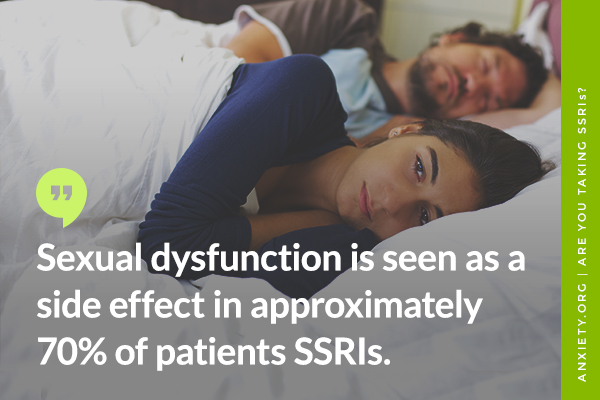
One common side effect of SSRIs is treatment-induced sexual dysfunction. Sexual dysfunction is seen as a side effect in approximately 70 percent of patients taking paroxetine, and most other SSRIs produce similar rates.2 Other side effects include drowsiness, insomnia, and long-term weight gain. Rare but more severe risks include increased suicidal thoughts in children and young adults and serotonin syndrome, a life-threatening adverse reaction to the medication. Furthermore, patients are much more likely to disclose negative side effects on a questionnaire rather than tell their doctor about it, which is the traditional method of obtaining side effect data in clinical trials.3Thus, published findings may underestimate the true level of adverse effects. In addition to side effects while taking antidepressants, there are also withdrawal effects following discontinuation of the medicationthat may trigger a relapse of symptoms.4 These withdrawal effects may help to explain why most people stay on antidepressants for two years or longer.5

But Treating Anxiety is Within the Reach of Many

Many people report experiencing a great deal of benefit from antidepressants for their anxiety. However, because individuals given placebos experience a similar benefit that was almost 80 percent as effective, most of their improvement is not due to the specific ingredients in the drugs. Notably, people who receive placebos fare much better than those given no treatment at all, such as individuals on waiting lists to be enrolled in the clinical trials.6 These findings indicate that taking action to enroll in a treatment program and participating in some type of intervention may be therapeutic in itself. The belief that an individual is receiving treatment (even if that treatment is as simple as a daily sugar pill) is a major component of symptom relief. The specific chemicals in the drugs may be less responsible for the improvement, and these drugs come with risks.

Psychotherapy is another treatment option for individuals suffering from anxiety. It does not carry the antidepressant-related risks such as the side effects and withdrawal effects and a recent study found that 75 percent of patients prefer therapy over psychiatric medications.7 Short-term studies have shown comparable effectiveness between antidepressants and psychotherapy. However, longer comparisons show a clear superiority for psychotherapy over antidepressants.8,9 Psychotherapy, when conducted properly, is aimed at not only providing support and relieving symptoms, but also at helping individuals to develop and practice skills to prevent future occurrences of similar symptoms. This skill development is absent with medication intervention and may be part of the reason for psychotherapy’s long-term superiority as a treatment.

Our study demonstrates that paroxetine provides only a modest benefit in treating anxiety. We believe that this benefit is not large enough to justify SSRI use for anxiety, given the risks associated with the medication. For individuals looking to take control of their anxiety, it is important to understand the limitations of antidepressants and to know that other options are available. Talk with your doctor about psychotherapy and other treatment options that could be well suited to you and your symptoms.

Posted in News & updates | Leave a comment